Price changes are easy to miss when your cart includes everything from flour and cooking oil to shampoo, diapers, and dishwashing liquid. That is why many households now check weekly grocery deals online before they restock. A quick look at current offers can lower the total bill, help you combine more essentials in one order, and cut down the need for extra store trips later in the week.
For most families, the goal is not chasing random discounts. It is buying the right daily-use products at the right time without turning routine shopping into a long task. The real value of online deals is convenience with control. You can see prices clearly, compare product sizes, and build a basket around what your home actually needs.
Why weekly grocery deals online matter
Weekly offers matter because grocery shopping is rarely limited to groceries alone. A normal household order often mixes staples, snacks, cleaning products, baby care, personal care, and a few fill-in items that were forgotten last time. If you only look at one product at a time, you may miss better savings across the full basket.
Online weekly deals make that easier to manage. Instead of walking aisle to aisle and trying to remember regular prices, you can browse current promotions by category and spot where the strongest value is. That matters even more for repeat-purchase products like tea, milk, rice, detergent, tissues, and soap, where small price differences add up over the month.
There is also a time advantage. A planned online order lets you cover kitchen restocking, bathroom supplies, and household cleaning in one go. That is often more useful than saving a small amount on one item but needing a second shopping trip for the rest.
Start with the products you buy every week
The best way to use weekly grocery deals online is to begin with your routine items, not the promotional banner. Most households already know their core list. It usually includes pantry basics, breakfast items, beverages, school or lunchbox snacks, and home care products that run out on a predictable cycle.
When you start with those products, you can judge whether a deal is actually useful. A discount on a premium imported sauce may look attractive, but it does not help much if what you really need is cooking oil, sugar, diapers, toothpaste, and laundry powder. Smart savings come from matching promotions to real demand.
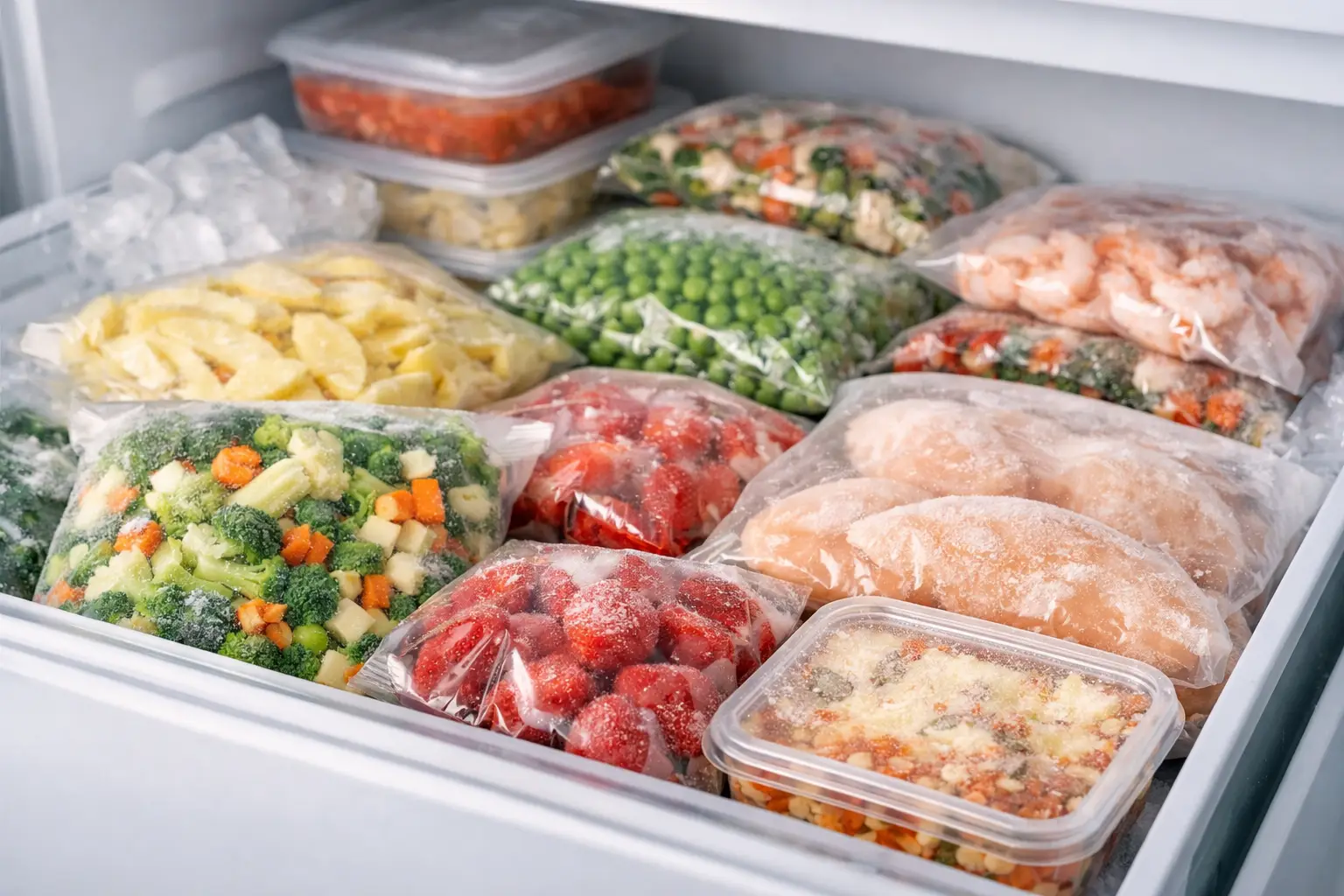
This is also where online shopping works well for larger family baskets. You can add planned essentials first, then use the deals section to fill gaps or stock up on products that make sense to buy ahead. That might be tissues, soap bars, pasta, frozen foods, or packaged snacks with a good shelf life.
How to judge if a deal is actually good
Not every marked-down product offers the same value. Sometimes the better buy is a larger pack with a lower unit cost. Other times, a smaller size is smarter because it fits your weekly budget better. It depends on your cash flow, storage space, and how quickly your household uses the product.
A practical way to compare is to look at three things: brand preference, pack size, and repeat use. If your family already uses a specific detergent or baby care item every week, a deal on that exact product is usually worth more than a discount on an unfamiliar alternative. But if the product is flexible, such as biscuits, noodles, or surface cleaner, switching to the better-priced option can make sense.
It also helps to watch for deal patterns. Some categories are promoted often, while others are less predictable. Beverages, snacks, personal care, and cleaning products regularly appear in offer sections. If you know a category goes on sale often, you may not need to buy too far ahead unless the discount is unusually strong.
Use category-based shopping to save more time
The easiest online grocery shopping is organized by category. Instead of searching item by item, move through your home the same way you use products. Start with kitchen staples, then household cleaning, then personal care, then baby or pharmacy essentials if needed. This keeps the basket practical and helps you avoid forgotten necessities.
Category-based shopping also shows where promotions are strongest. You may notice that pantry goods have modest discounts this week, but home care or frozen products are priced better. That does not mean changing your whole plan. It means adjusting where it is sensible.
For example, if your weekly basket already includes dishwash, floor cleaner, bath soap, and tissues, and those items are currently on sale, that is a better saving opportunity than adding extra products just because they appear in a featured section. Good online shopping is less about browsing everything and more about buying efficiently.
Weekly grocery deals online work best with a basket strategy
Household shoppers often lose savings by ordering in fragments. One order for groceries, another for toiletries, and a later trip for baby products can increase both time spent and the chance of paying full price on items that could have been combined.
A basket strategy fixes that. Build one order around immediate needs plus near-term replenishment. If you know your home will need cereal, tea, tissues, shampoo, and disinfectant within the next seven to ten days, grouping them in one purchase is usually more efficient than waiting for each item to run out.
This approach is especially useful for online supermart shopping because the strongest value often comes from total basket convenience, not a single deep discount. A broad cart saves time, reduces mental load, and helps you complete routine restocking in one place. For urban households, that can matter as much as the price itself.
What to avoid when browsing online deals
The biggest mistake is treating every promotion as a reason to buy. A sale only helps when the product fits your actual needs, budget, and usage pattern. Stocking up on slow-moving items can tie up money and fill storage space without helping your weekly shopping problem.
Another common issue is ignoring non-grocery essentials. Many shoppers focus only on food deals and forget that home care, personal care, and pharmacy basics can shift the basket total just as much. Soap, detergent, sanitary products, baby wipes, razors, and cleaning liquids are all everyday items worth checking each week.
It is also easy to overbuy snacks and impulse items when they are displayed prominently. There is nothing wrong with adding treats, but it helps to add them after your core list is complete. That keeps the basket balanced and protects the budget for real replenishment.
A practical way to shop smarter each week
A simple weekly routine works better than constantly checking prices. Start by reviewing what ran low in the kitchen, bathrooms, and storage area. Then check current offers and compare them against your regular list. Add the essentials first, then include any worthwhile discounted items that your household will actually use soon.
This routine turns deal-checking into part of normal home management instead of a separate chore. It also helps with recurring family needs, especially when one order may include school snacks, baby care, pain relief, biscuits, frozen items, pet supplies, and cleaners all at once.
For shoppers who want broad household coverage in one place, a digital-first store such as Ajwa Super Mart can make that process easier because the basket does not have to stop at groceries. That matters when the real goal is not simply finding a cheap item. It is completing the week’s shopping with less effort.
When online deals are worth acting on immediately
Some offers are worth using right away, especially on products with reliable household demand. If an item is used daily, has a reasonable shelf life, and is already part of your normal shopping cycle, buying during the offer window is usually a practical move.
That said, urgency should be selective. If the item is perishable, unfamiliar, or easy to replace next week, waiting may be better. Good shopping judgment is not about rushing to every discount. It is about knowing which offers support your household routine and which ones simply create clutter.
The best weekly grocery habits are usually the simplest ones. Check the deals, build around real needs, and keep your basket useful from top to bottom. When online shopping helps you restock food, home care, hygiene, and family essentials in one order, the savings feel more real because they show up in both your bill and your time.