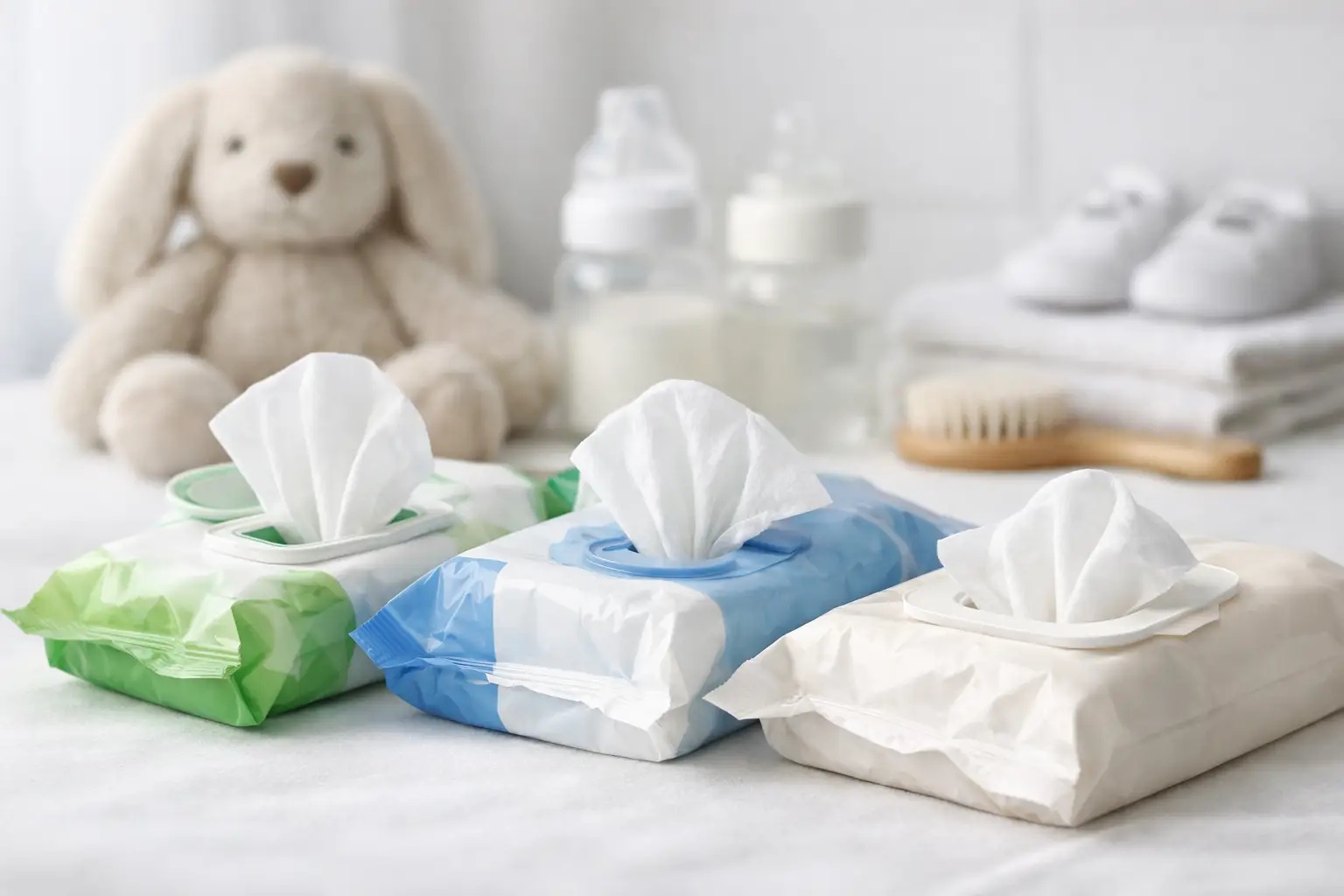
A pack of baby wipes usually looks simple until it starts failing in the middle of a diaper change. That is when a real baby wipes brand review matters – not on packaging claims alone, but on how a wipe feels, pulls, cleans, and holds up during everyday messes. For most households, the best option is not just the softest or the cheapest. It is the one that works consistently, suits your baby’s skin, and fits your routine without pushing up the monthly bill.
Parents usually buy wipes on repeat, so small differences add up fast. A pack that dries out too early, tears when pulled, or leaves residue can become frustrating within a few days. On the other hand, a slightly higher-priced wipe may end up offering better value if you use fewer sheets per change. That is why comparing brands properly helps, especially for families trying to balance skin safety, convenience, and regular restocking.
What matters in a baby wipes brand review
The most useful way to compare baby wipes is to focus on performance first, then price. Softness matters because wipes touch sensitive skin several times a day. Thickness matters because thin wipes often mean using more sheets. Moisture level matters because overly wet wipes can feel messy, while dry wipes do not clean well enough.
The ingredient list also deserves attention, especially for newborns or babies with sensitive skin. Fragrance-free wipes are often the safer starting point if your child is prone to redness or irritation. Some parents like scented wipes for a fresher feel, but fragrance can be a trade-off. What smells cleaner does not always work better for delicate skin.
Packaging is another detail people overlook until they are using wipes one-handed. A good lid helps keep moisture in. A weak sticker seal often loses grip after repeated use, and then the whole pack can start drying out before it is finished. If you keep wipes in multiple rooms, the car, and the diaper bag, packaging quality becomes a bigger deal than it seems.
Baby wipes brand review: how common brand types compare
Not every family shops for wipes in the same way. Some buy in bulk and care most about price per pack. Others want a trusted sensitive-skin option and are willing to pay more. Most brands fall into a few broad groups, and each type has its place.
Premium sensitive-skin brands
These are usually the first choice for newborns and babies with irritation issues. They tend to be softer, less heavily scented, and more focused on minimal ingredients. In many cases, they are also thicker and less likely to tear.
The trade-off is cost. Premium wipes can raise the total spend noticeably when used daily over months. For some families, that extra cost is worth it if it prevents discomfort or reduces trial and error. For others, these wipes make more sense during the newborn stage, then a mid-range option becomes more practical later.
Mid-range everyday brands
This is often the sweet spot for regular household use. A solid mid-range wipe usually gives decent softness, acceptable thickness, and enough moisture for diaper duty and quick cleanups. These wipes may not feel as plush as premium options, but many perform well enough for daily use without stretching the budget too much.
This category suits parents who want reliability more than features. If the wipe dispenses cleanly, stays moist, and does not irritate skin, that is often enough. For repeat purchases, this balance tends to matter more than fancy claims on the front label.
Budget and bulk-pack brands
Budget wipes can work well for general cleanup, especially if your baby does not have very sensitive skin. They are popular for high-use homes where wipes are used for diaper changes, sticky hands, spills, and surface touch-ups.
The caution here is consistency. Some budget wipes are surprisingly good, while others are too thin or too dry. A low price only helps if the product performs well enough that you are not using double the amount. In a practical review, value is price compared with actual use, not price alone.
How to judge wipe quality before you repurchase
Once you open a new pack, the first few days tell you almost everything. If the wipes come out in clumps, that slows you down. If one wipe turns into two or three stuck together, it becomes inconvenient during diaper changes. A better wipe should separate cleanly and stay strong enough when folded over.
Cleaning power matters too. Softer does not always mean more effective. Some very soft wipes smear rather than lift mess, which means extra wiping and more irritation risk. A good wipe should clean without too much rubbing. That matters for babies, but it also matters for parents trying to finish a quick change without hassle.
Pay attention to how the last third of the pack performs. Some brands start well but dry out before the pack is finished. That is where packaging and moisture balance show their real quality. If the final wipes feel noticeably rougher or less effective, the brand may not be the best repeat-buy option.
Sensitive skin, fragrance, and ingredient choices
If your baby gets rashes easily, start simple. Fragrance-free and alcohol-free wipes are usually the safer route. Aloe, vitamin E, or other added skin-care ingredients can be helpful for some babies, but more ingredients do not automatically mean a better product.
What works depends on the child. One baby may do perfectly well with a standard wipe, while another reacts to even lightly scented options. If irritation happens, changing wipes is often one of the first practical steps to try. In that case, buying smaller packs before committing to a large stock-up is the smarter move.
Parents also use wipes beyond diapering, but face and hand use is a different standard. A wipe that works fine for diaper changes may feel too scented or too strong for quick face cleanup. If you want one pack for multiple uses, choose a gentler formula rather than the strongest-scented one.
Price per pack vs actual value
A low unit price gets attention, but household shoppers know repeat-buy items need a closer look. The better question is how many wipes you actually use per change and how often packs dry out or go to waste. If a thicker wipe lets you use fewer sheets, the overall cost can be more reasonable than it first appears.
Bulk buying helps if you already know the brand works for your baby. If you are still testing, buying a full case can backfire. The most practical approach is to try one or two smaller packs first, then move to bulk once the product proves itself in daily use.
This is where a convenience-first store matters. When you are already ordering diapers, baby lotion, rash cream, snacks, and home essentials, adding wipes to the same cart saves time and reduces missed restocks. For busy families, that shopping efficiency is part of the value.
Which type of baby wipe is best for your home?
For newborn care, softer and simpler usually wins. For active toddlers, stronger and thicker can be more useful because the mess changes. For multi-use household cleaning, a mid-range or budget-friendly wipe often makes sense as long as it is gentle enough for your child.
If your main priority is skin comfort, go fragrance-free first. If your main priority is stretching the budget, compare sheet count, thickness, and how many wipes you use in real life. If your priority is convenience, choose a brand with dependable packaging and buy enough to keep diaper stations stocked in more than one room.
A practical baby wipes brand review is rarely about finding one perfect brand for everyone. It is about matching the wipe to the way your household actually shops and uses it. Some families need premium performance. Others need solid everyday value with easy reordering. Both are reasonable choices if the product does its job well.
The best test is simple: after a week of real use, ask whether the wipes made daily cleanup easier or more annoying. If they worked well, stayed moist, and fit your budget, you probably found the right one. If not, switch early and keep your next order focused on what matters most for your home.