The first baby shop usually starts the same way – one tab for diapers, another for wipes, then suddenly a cart full of bottles, lotions, towels, toys, and things nobody can explain clearly. A better approach is to build the best baby care shopping list around daily use, not panic buying. That keeps your order practical, your budget under control, and your home stocked with what you will actually reach for.
Some baby products are true basics. Others depend on your routine, your baby’s age, your feeding plan, and how much storage space you have. The smartest list is not the biggest one. It is the one that covers feeding, cleaning, comfort, and quick restocking without filling cabinets with extras you may never open.
What the best baby care shopping list should cover
A useful baby care list should solve the small jobs that repeat all day. Feeding happens every few hours. Diaper changes happen constantly. Spills, rashes, laundry, and interrupted sleep all add up. If your list supports those daily needs, shopping gets easier and repeat orders get faster.
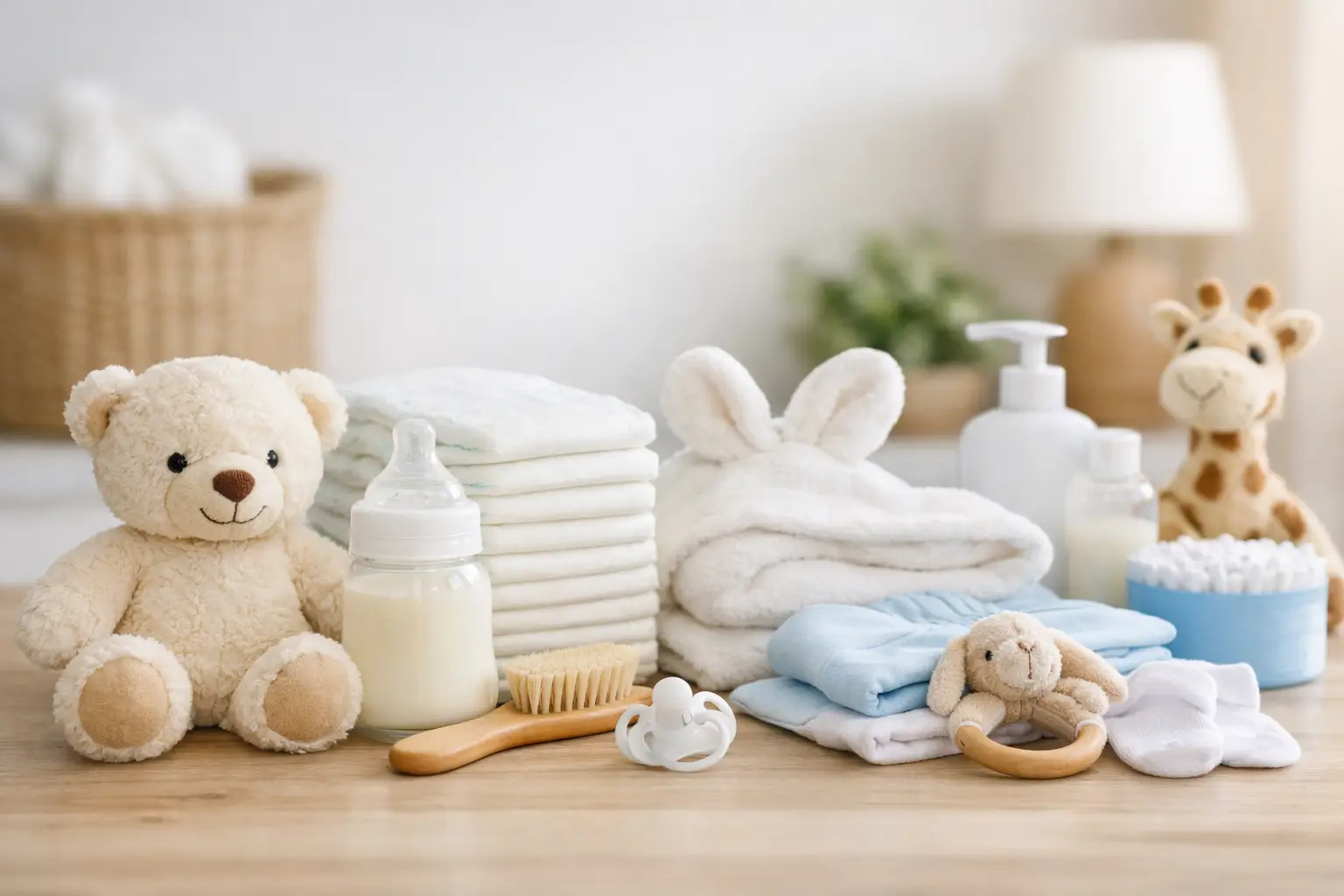
Start by thinking in groups instead of individual products. Most parents need diapering essentials, feeding supplies, bath and skin care items, clothing basics, sleep support, laundry and cleaning products, and a few on-the-go items. Once those categories are covered, it becomes easier to decide what should go in the cart now and what can wait until later.
Diapering essentials to buy first
Diapers are the obvious starting point, but quantity matters just as much as size. Newborns can go through many diapers in a day, yet babies also outgrow newborn sizing quickly. That is why many parents do better buying a reasonable amount of newborn diapers and then adding the next size instead of overstocking one stage.
Wipes belong on every best baby care shopping list because they do more than diaper changes. Parents use them for hands, small messes, quick cleanups, and on-the-go refreshes. A gentle formula is usually the safer default, especially in the early months.
You will also want diaper rash cream or ointment, a changing mat or changing sheet for convenience, and diaper disposal bags if you want easier cleanup outside the nursery. Cotton balls or soft tissues can also help during the newborn stage when some parents prefer extra-gentle cleaning.
If your budget is tight, this category is one of the best places to stay practical. Diapers, wipes, and rash cream matter more than decorative organizers or gadgets that promise to simplify changing time.
How much to stock
It depends on your shopping routine. If you prefer fewer, larger orders, keep extra diapers and wipes on hand. If you shop weekly, you can buy lighter quantities and restock based on actual use. The goal is simple: avoid running out of basics at the worst time.
Feeding supplies that match your routine
Feeding is where many lists get too long. The right setup depends on whether you plan to breastfeed, bottle-feed, combine both, or are shopping for a baby already using solids.
For bottle-feeding or mixed feeding, baby bottles, bottle nipples, a bottle brush, and feeding bibs are common essentials. Burp cloths are small, inexpensive, and worth buying in multiples because they move quickly from feeding item to all-purpose cleanup cloth.
If breastfeeding is part of your plan, nursing pads and nipple care products may be useful. If pumping is part of the routine, storage bags and cleaning supplies matter more than extra bottle accessories. This is one of those categories where buying after one week of real use can be smarter than buying every suggested item upfront.
For babies beginning solids, add baby bowls, spoons, and easy-clean bibs. You may also want food storage containers if you prepare meals in batches. Keep this stage simple at first. A few practical pieces are enough.
Bath and skin care basics
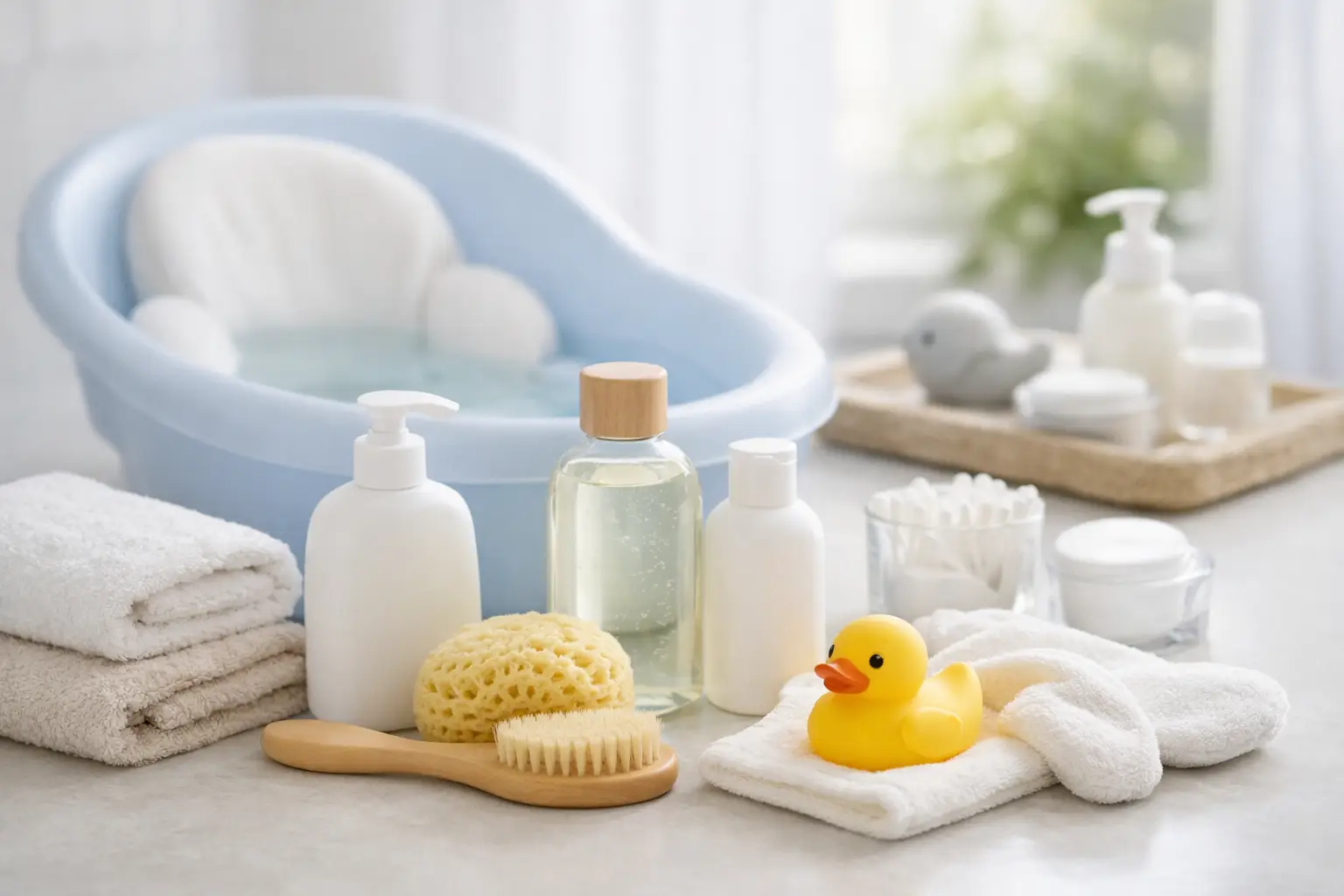
Baby skin products should be selected with restraint. A mild baby wash, baby shampoo if needed, baby lotion, and diaper cream usually cover most daily care. Some families also keep baby oil or petroleum jelly, depending on skin needs and weather conditions.
Bath towels with soft fabric, washcloths, and a baby tub can make bath time easier, but you do not need a long list of bath accessories to get started. What matters more is gentleness, easy handling, and having fresh towels ready.
Skin care is also where overbuying can backfire. Not every baby tolerates scented products, and not every lotion works the same in dry or humid weather. It often makes more sense to start with a small set of basics and repeat the products that actually work for your baby.
A note on sensitive skin
If your baby has dryness, irritation, or frequent rashes, a shorter product list is often better than a longer one. Too many soaps, creams, or fragrances can make it harder to identify what helps and what causes problems.
Clothing and linen you will actually use
Tiny outfits are tempting, but daily baby clothing should be easy to change, easy to wash, and comfortable for sleep. Bodysuits, sleepers, mittens if needed, socks, caps, and soft receiving blankets usually do more work than occasion wear.
The same rule applies to linen. Keep enough crib sheets, light blankets, and waterproof sheet protectors to handle spills and night changes without emergency laundry. Multiples are useful here, especially for families managing frequent washes.
Try not to buy too far ahead in one size. Babies grow fast, and seasonal timing matters. A heavy stack of small-size clothes may not match the weather by the time your baby needs them.
Sleep and comfort items worth adding
A safe sleep setup is essential, but the shopping list itself should stay practical. Fitted crib sheets, wearable blankets or swaddles if appropriate, and a baby monitor if it suits your home are common purchases. Some parents also keep a night light nearby for feeds and changes.
Comfort items can help, but this is also a category full of optional extras. White noise machines, pacifiers, and soothing accessories may be useful for one family and rarely used in another. If you are trying to control costs, buy the basics first and add comfort items based on real need.
Best baby care shopping list for health and hygiene
Health and hygiene products are easy to forget until you need them urgently. A baby thermometer, nail clippers or baby nail scissors, a nasal aspirator, soft tissues, and gentle laundry detergent are practical items to keep at home early.
Baby-safe hand and surface hygiene products also help, especially in homes with older siblings or frequent visitors. The key is not to build a mini clinic. It is to have a few reliable basics so small issues do not turn into rushed late-night shopping.
Laundry deserves its own mention because baby clothes, bibs, towels, and bedding go through constant rotation. A detergent suited to baby items and a stain-removal plan can save time and reduce waste. This is one of the most repeated household tasks in the first months.
On-the-go items that make errands easier
Leaving the house with a baby has a way of turning one short trip into a full packing exercise. A well-stocked diaper bag usually needs diapers, wipes, a changing pad, disposal bags, an extra outfit, bibs, burp cloths, and feeding supplies based on your routine.
Travel-size versions are useful when they actually save space. If they cost much more and run out too quickly, regular-size products kept in a home restocking system may be the better value. Convenience matters, but so does repeat purchasing cost.
This is also where one-stop shopping helps. Parents often need to reorder baby care items together with household basics, cleaning supplies, tissues, and pharmacy staples, instead of placing separate orders for each category.
How to keep your baby shopping list practical
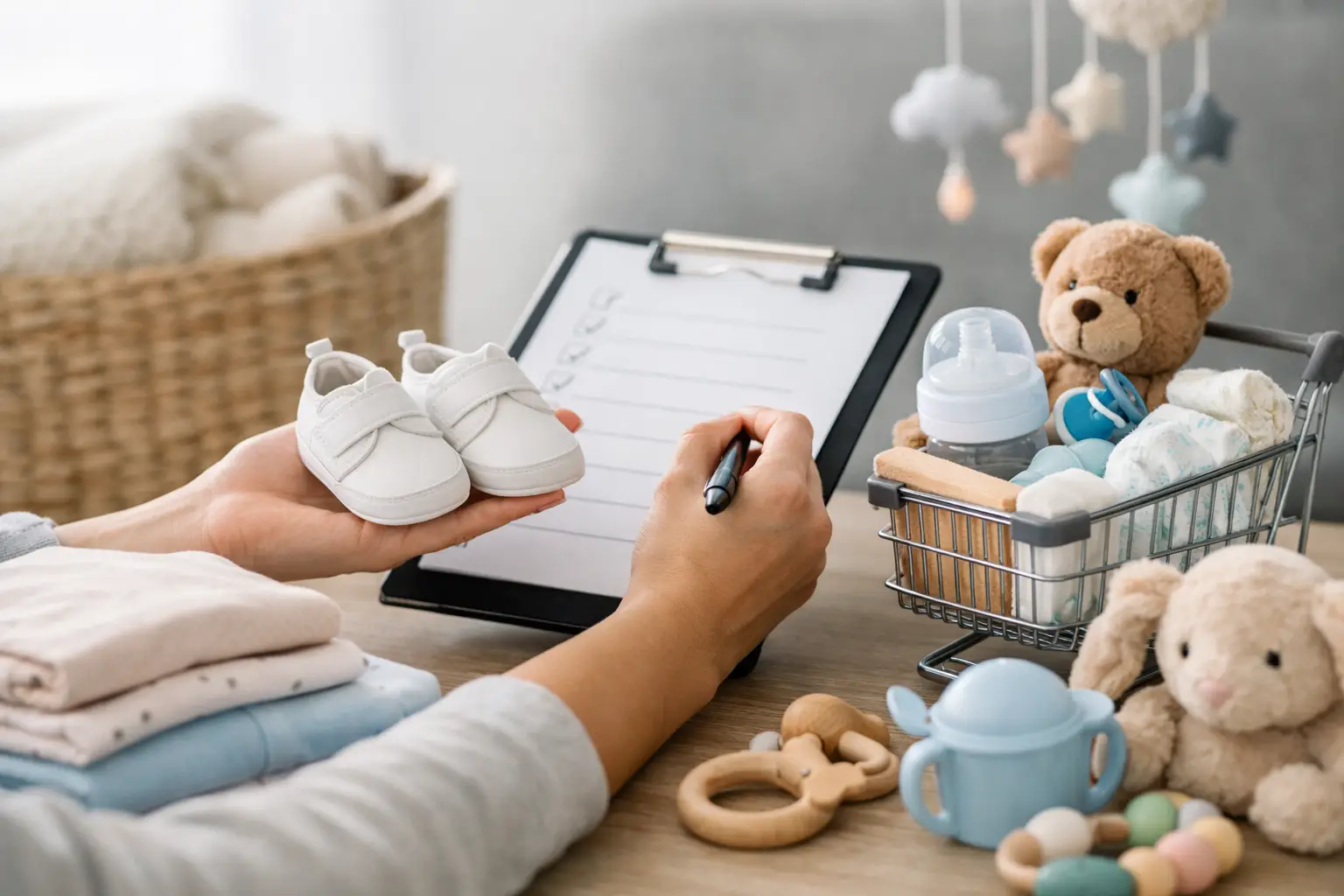
The best baby care shopping list is not a one-time document. It should change as your baby grows and as your routine becomes clearer. In the first few weeks, track which items run low fastest. Those are your repeat-order products. Everything else can be bought more selectively.
It also helps to separate your list into two parts: must-haves and wait-and-see items. Must-haves are diapers, wipes, feeding basics, bath essentials, laundry products, and simple health care items. Wait-and-see products are the accessories that depend on your baby’s preferences and your home setup.
If you are shopping for value, pay attention to pack sizes and reorder frequency, not just shelf price. A cheaper pack is not always the better buy if it runs out in days. On the other hand, bulk buying only works when storage space, product size, and actual use all line up.
Parents do not need a perfect cart. They need a workable one. Build your baby list around the products that support daily care, keep extras to a reasonable level, and restock the items you use most. That is what turns baby shopping from stressful to manageable, one order at a time.