Running out of milk, dish soap, diapers, and headache medicine on the same day is how most family shopping trips start falling apart. What should be a quick refill turns into multiple stops, extra fuel, longer lines, and a cart that still misses something important. That is exactly why one stop family shopping works for busy households – it cuts the repeat effort out of routine buying.
For families, shopping is rarely about one category. A real household order usually mixes fresh pantry needs with baby wipes, shampoo, detergent, snacks for school, pet food, and a few backup health items. When those products live in different stores, the cost is not just money. It is time, planning, and the hassle of remembering what still needs to be bought.
Why one stop family shopping makes sense
The biggest advantage is simple – families do not shop in neat categories. A household buys across daily use products, not retail departments. Breakfast cereal and hand wash belong in the same weekly rhythm. So do tissues, frozen foods, toothpaste, and batteries.
When shopping is organized in one place, you reduce the number of decisions you have to make. That matters more than people think. Most routine orders are not exciting purchases. They are practical replenishment buys. The easier it is to reorder the basics, the easier it is to keep the home running without last-minute stress.
There is also a budget benefit. Separate shopping trips often lead to duplicate buying, missed sale items, or higher impulse spending in each stop. A combined basket gives a clearer view of what the household actually needs this week. You can balance essentials first, then add extras if the budget allows.
For working adults and parents, convenience is not laziness. It is better household management. If one order covers kitchen staples, personal care, baby products, pharmacy basics, and home care, you free up time for everything else that competes for attention.
What families actually need in one stop family shopping
A useful family shopping experience is not just about having a lot of products. It is about covering the categories people buy again and again. Breadth matters, but practical breadth matters more.
Groceries are the starting point. Most households want pantry basics, cooking ingredients, beverages, frozen items, and snack options in the same cart. That covers planned meals and the in-between items that disappear faster than expected.
Then come the home essentials. Laundry detergent, dishwashing liquid, paper products, cleaning sprays, trash bags, and air fresheners are not glamorous purchases, but they are the products that trigger emergency runs when forgotten. A one-stop setup should make these easy to spot and easy to reorder.
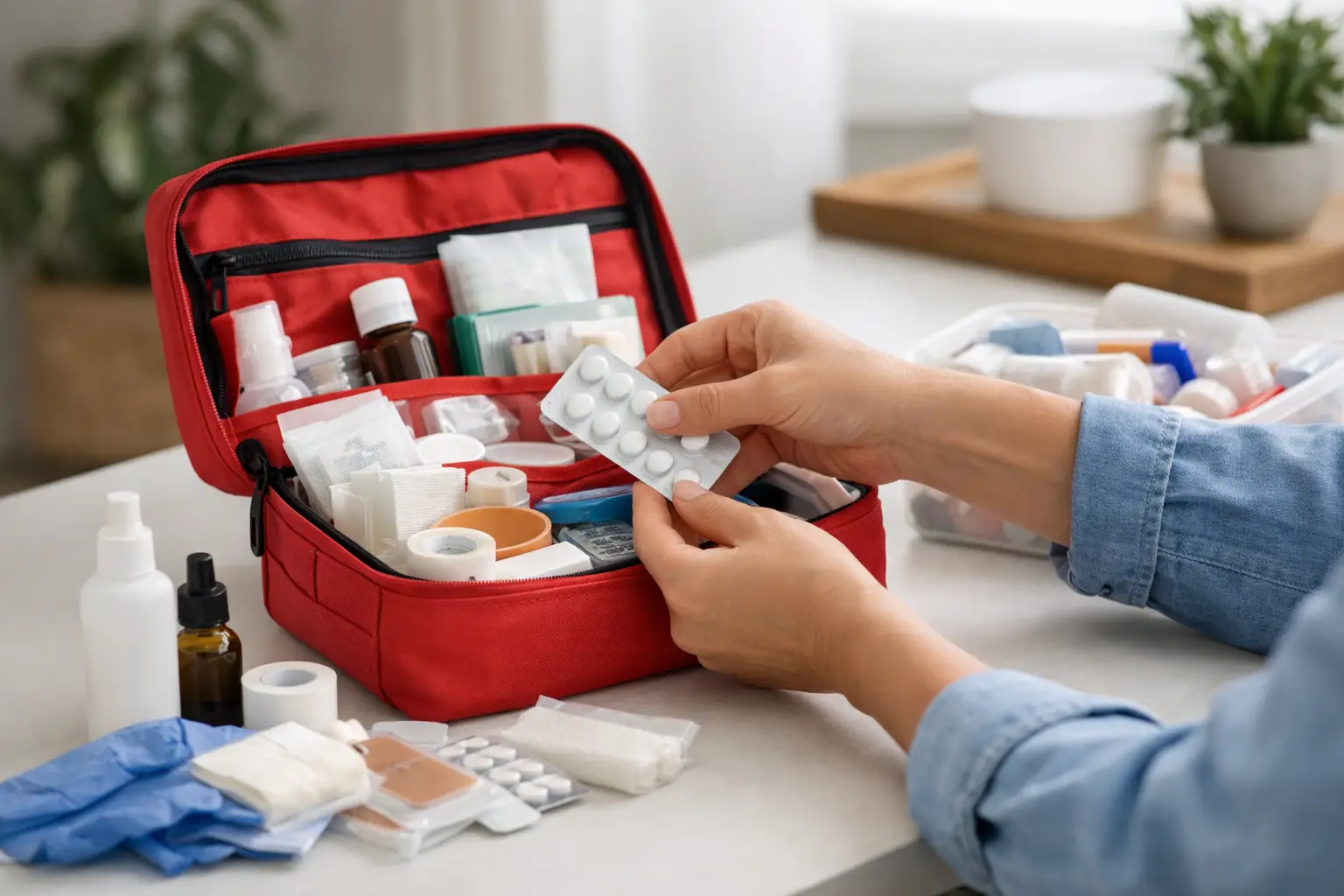
Personal care and pharmacy items are just as important. Soap, shampoo, razors, sanitary products, oral care, pain relief, and first-aid basics often run out without much warning. Buying them together with grocery items keeps households stocked without needing a separate trip.
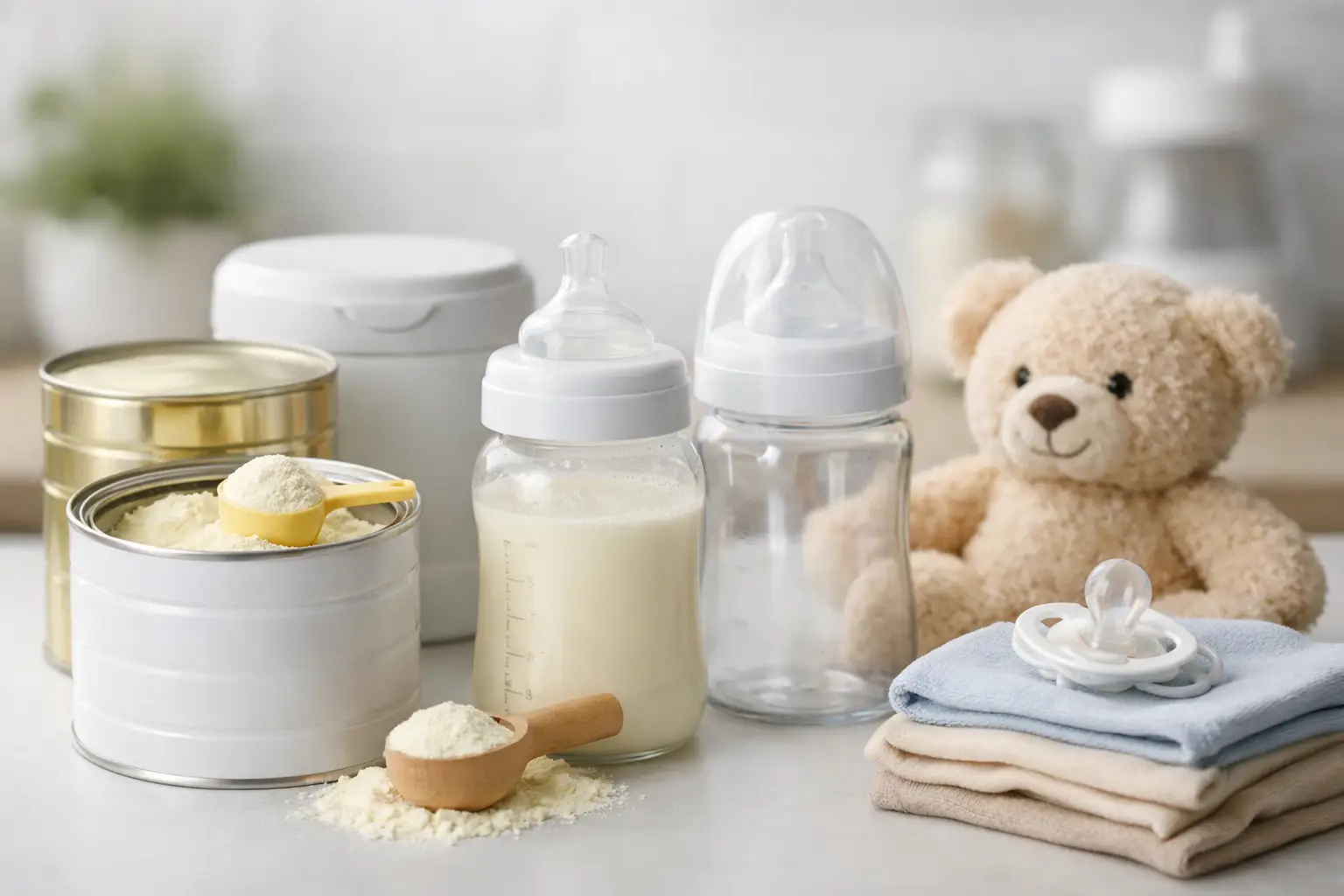
For parents, baby care is where convenience becomes a real time-saver. Diapers, wipes, feeding items, baby toiletries, and formula are not occasional purchases. They are regular necessities. If they can be added to the same basket as milk, cereal, and detergent, the shopping process gets much easier.
And then there are the fill-in categories that many families end up needing anyway – stationery for school, treats for kids, pet supplies, and small household extras. These may not lead the shopping list, but they often make the difference between a complete order and another stop later.
The real value is fewer repeat trips
People often focus on price first, and price matters. But for family shoppers, repeated trips carry a hidden cost. A quick stop after work can turn into traffic, parking, waiting, and carrying multiple bags home. Do that several times a week, and the time loss adds up fast.
One larger, more complete order can be more efficient than three smaller ones. It also helps with planning. When you can see grocery needs, cleaning supplies, and health items in one basket, it becomes easier to estimate spend and avoid forgetting key products.
There is a trade-off, of course. A larger order requires a little more upfront thinking. You may need to check the pantry, bathroom cabinet, and laundry area before ordering. But that small planning step usually saves far more time than scattered restocking across different stores.
For families trying to stay on budget, fewer trips can also mean fewer unplanned purchases. The more often you shop, the more often you are tempted by extras. A single, organized basket makes it easier to prioritize needs first and discretionary items second.
How to shop smarter in one order
The best one-stop orders are built around routine, not guesswork. Start with the categories that affect daily life the most – food staples, cleaning items, hygiene products, and any child or baby essentials. These are the products that create the most disruption when they run out.
After that, add the items that are easy to forget but inconvenient to miss. Think tissues, batteries, garbage bags, dish sponges, over-the-counter wellness basics, or school snacks. These low-attention products are often what cause last-minute shopping trips.
It also helps to think in time frames. Some items are weekly buys, while others are monthly refills. If you mix both in one cart, you can build a fuller order that reduces future gaps. Rice, cooking oil, detergent, and toothpaste may not need replacing every week, but adding them before they become urgent is often the smarter move.
Promotions can help too, but only when they match real household demand. A discount is useful if it lowers the cost of something your family already uses. It is less useful if it fills the cart with products that sit untouched. Good shopping is not about buying the most. It is about buying what will actually move through the home.
What makes an online supermart better for family needs
For one stop family shopping to work well online, the store needs more than a broad catalog. It needs practical navigation and reliable category coverage. Shoppers should be able to move quickly from groceries to baby care, from home cleaning to personal care, without starting over every time.
Availability matters just as much as variety. A store that carries many categories but frequently misses core household products creates friction instead of convenience. Families want confidence that the basics will be there when they need to restock.
Visible pricing also matters. Households compare, plan, and adjust their carts in real time. Clear sale pricing and featured offers help shoppers make fast decisions without digging through every product line.
Delivery is another part of convenience, especially for larger household baskets. Carrying bulky home care items, beverage packs, pet food, or baby supplies is not always practical. Home delivery turns a long shopping list into a manageable routine.
That is where a digital-first supermart like Ajwa Super Mart fits naturally. When grocery items, pharmacy essentials, baby care, snacks, personal care, and household products are available in one place, online shopping becomes less about browsing and more about getting the week handled.
One cart works best when the store matches real life
A family does not shop like a single-category customer. Needs overlap. A parent buying cereal may also need baby lotion. Someone restocking cleaning products may remember they are low on toothpaste and tea. A good one-stop shopping experience supports that real behavior instead of forcing shoppers into separate retail paths.
It also leaves room for different household styles. Some people prefer one big weekly order. Others shop in smaller top-up cycles a few times a week. One stop family shopping can work for both, as long as the category range is broad enough and the ordering process stays quick.
No shopping model fixes every problem. Some purchases will still be urgent, and some families will always prefer to choose certain food items in person. But for the majority of routine household needs, combining categories in one order is simply the easier way to shop.
When your store can cover the kitchen, bathroom, laundry area, medicine cabinet, and school drawer in one go, shopping stops feeling like a chain of errands. It starts feeling like something you can finish, check off, and move on from.