Some shopping trips start with milk and bread, then turn into three separate stops for detergent, diapers, and toothpaste. That is exactly why everyday groceries matter. They are not just the food items you use up every week. They are the products that keep the kitchen stocked, the bathroom supplied, the laundry moving, and the household ready for another busy day.
For most households, shopping is less about browsing and more about staying ahead of what runs out first. Rice, flour, cooking oil, tea, eggs, sugar, and snacks are obvious repeat buys. But the real routine usually includes tissues, dishwash, soap, baby wipes, razors, pain relief, pet food, and a few unplanned add-ons that save another trip later. When all of that can be bought together, the order becomes more practical, more complete, and usually better for the monthly budget.
What everyday groceries really include
The phrase everyday groceries often sounds narrower than real life. In practice, most homes do not shop by strict category lines. A family restocking groceries may also need shampoo, biscuits for school lunch, freezer items for quick dinners, and cleaning supplies before the weekend.
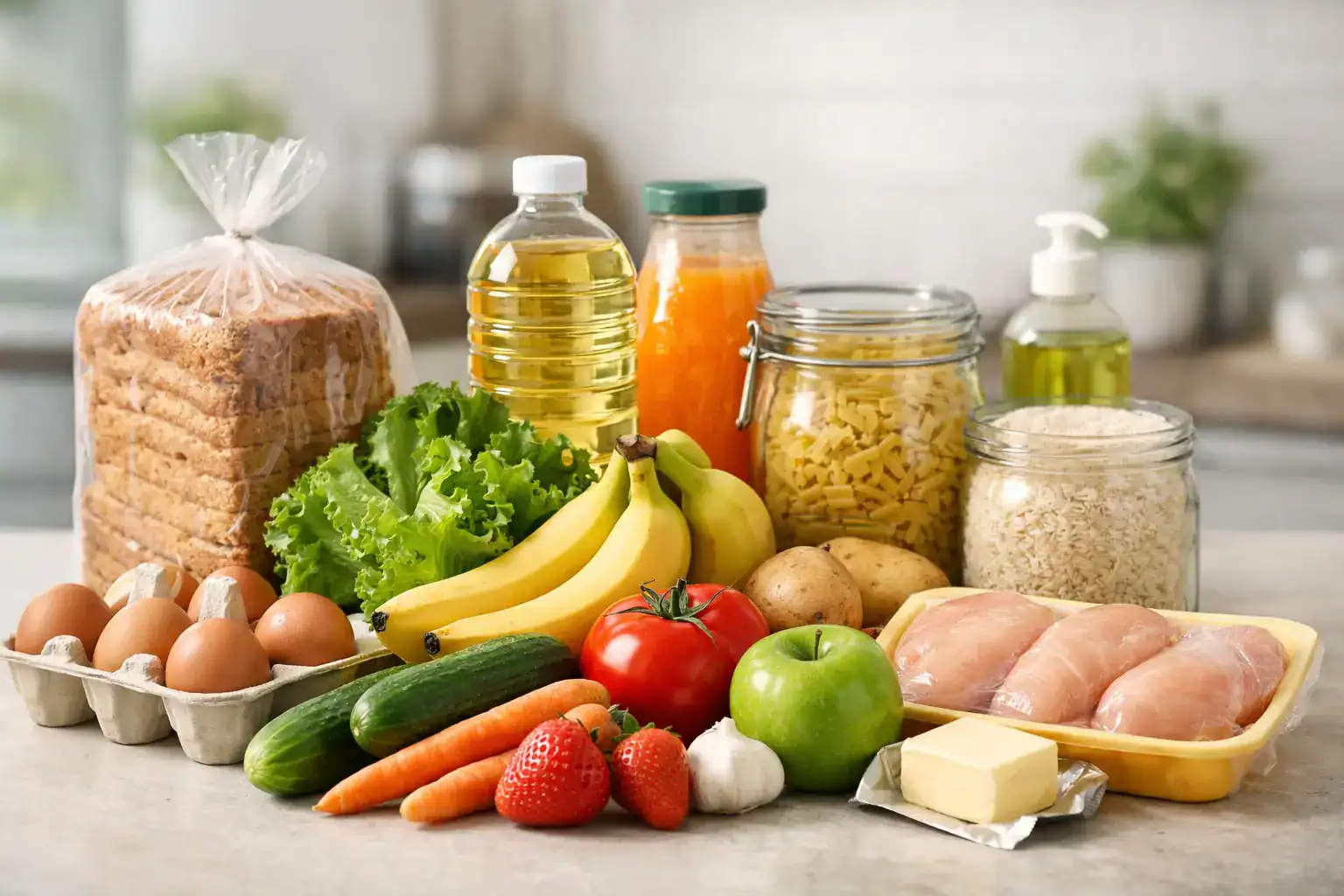
That is why a useful grocery order starts with pantry basics and then expands into the products people actually run through every day. Dry goods, fresh-use staples, beverages, frozen items, and snacks all belong in the core basket. So do personal care, baby care, pharmacy essentials, and home cleaning products. For busy households, these are not extra purchases. They are standard replenishment items.
A one-cart approach makes more sense because homes do not consume products one department at a time. They consume them all together, often faster than expected.
How everyday groceries shape routine shopping
Most households do not wait for a major monthly stock-up to buy everything. They shop in cycles. Some products are bought weekly, some every two weeks, and some only when a discount or bundle makes the timing right.
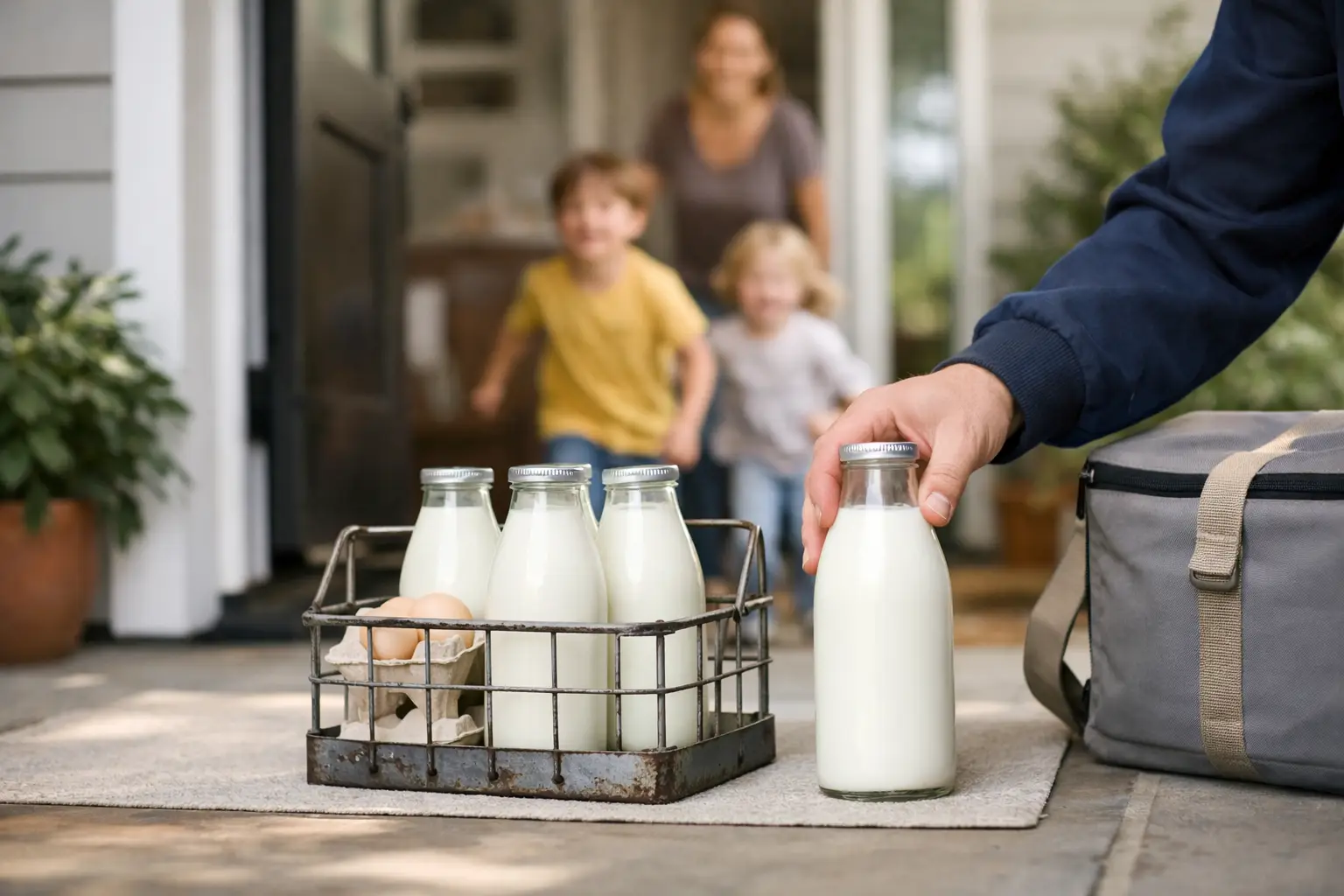
Fresh-use staples such as milk, bread, eggs, and produce may need frequent replenishment. Pantry items such as flour, lentils, pasta, sugar, and cooking oil last longer, but they become urgent fast when they run low. Home care items like trash bags, toilet cleaner, and laundry detergent tend to get forgotten until the last possible moment. That is where a broader online supermart model is useful. It supports both the planned order and the fill-in order.
There is also a budget advantage to seeing routine categories in one place. Shoppers can compare what is essential now, what can wait until next week, and what is worth buying in larger pack sizes. That kind of visibility helps control spend without making shopping more complicated.
Building a smarter everyday groceries basket
A good basket is not the biggest one. It is the one that covers the next several days without missing the items that trigger an extra trip.
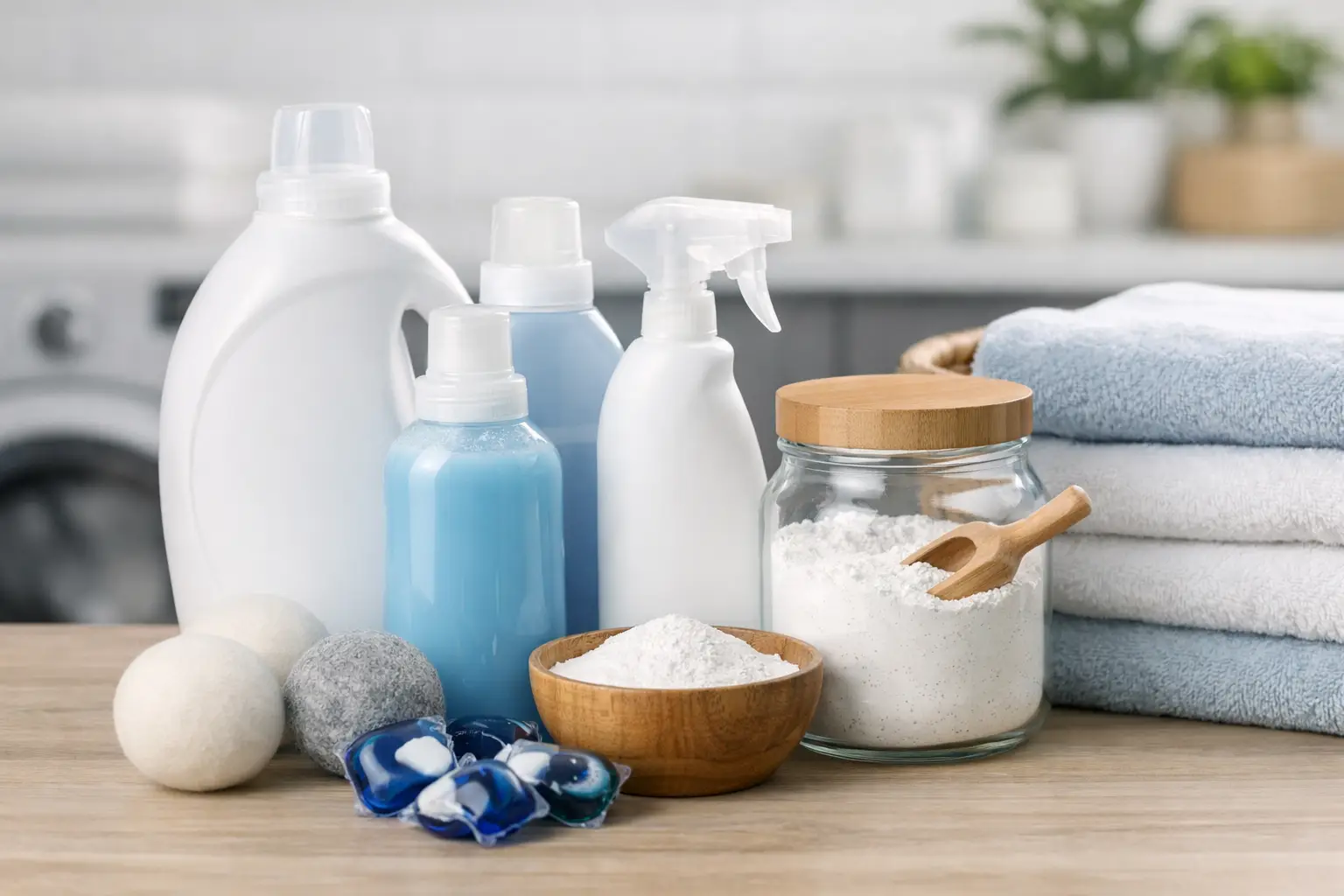
A practical way to shop is to build in layers. Start with meal basics such as grains, pulses, oil, spices, dairy, breakfast items, and beverages. Then add home essentials like dishwashing liquid, tissues, garbage bags, and laundry products. After that, check the personal-use items that disappear quietly, including soap, shampoo, toothpaste, sanitary care, shaving products, and over-the-counter basics.
For families, the basket usually needs one more pass. Baby formula, diapers, wipes, school snacks, juice boxes, and quick freezer items can shift from optional to urgent overnight. Pet households have the same issue. Food, litter, and hygiene products are easy to overlook until they are suddenly needed.
The goal is simple: place one order that reflects how the household actually runs.
Start with the products that run out fastest
Most repeat shoppers have a short list of high-turn items. These are the products worth checking first because they affect meals and daily use immediately. Tea or coffee, milk, eggs, bread, cooking oil, sugar, and basic snacks usually belong here. In many homes, detergent and toilet paper do too.
If you shop these first, the rest of the order becomes easier to build around. It also lowers the chance of placing a second order a day later for the item everyone assumed was still in stock at home.
Use pack size carefully
Bigger is not always better. Large packs can reduce cost per unit, but only if the product gets used consistently and storage space is not already tight. A family may save by buying bigger rice, flour, tissues, or detergent packs. The same may not be true for niche snacks, specialty sauces, or products a household is trying for the first time.
That balance matters for monthly budgets. Buying value sizes for high-use staples makes sense. Buying oversized versions of low-priority items can tie up money without solving a real need.
Why category range matters more than people think
A narrow grocery store can cover dinner. A broad supermart can cover the week.
That difference matters when a shopper needs cereal, dish soap, baby lotion, frozen parathas, cough drops, and cat food in the same order. If even two of those items are missing, the convenience drops fast. The shopper either delays the purchase, splits the basket, or makes an offline trip anyway.
This is where range becomes a real household benefit, not just a merchandising feature. A wide catalog reduces friction. It lets people complete necessary shopping in one session, especially when they are ordering between work, school runs, and home tasks. For urban households, that time saving is often just as valuable as a discount.
Ajwa Super Mart is built around that practical need, giving shoppers access to daily-use categories in one place instead of pushing them toward multiple separate purchases.
Everyday groceries and price-conscious shopping
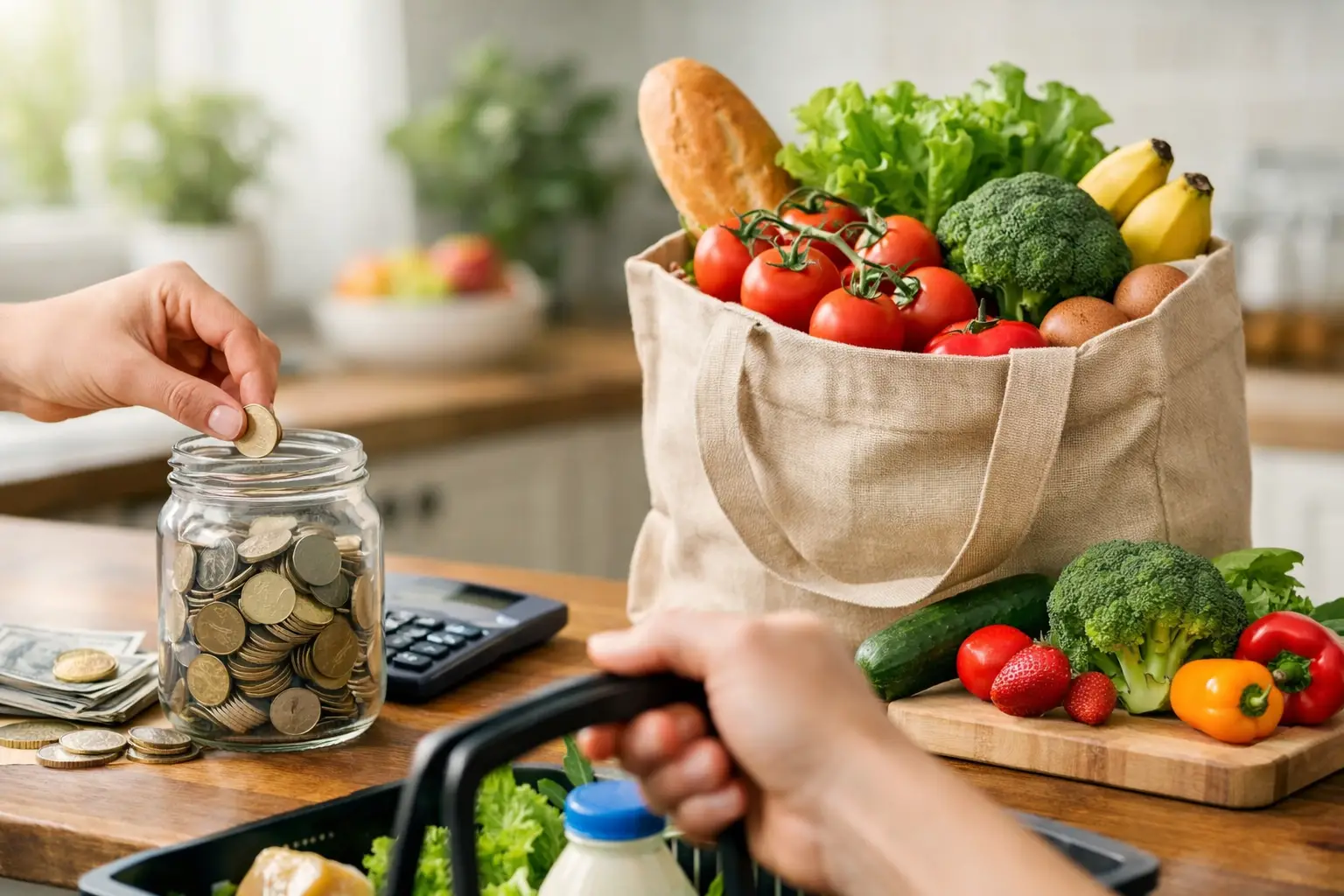
Most people are not looking for the cheapest possible cart at any cost. They are looking for a workable balance between price, convenience, and order completeness.
That is why visible promotions matter. If cooking oil, biscuits, soap, or beverages are on sale, those offers can change the timing of a purchase. Families may stock up a little earlier. Shoppers may swap between brands when the value is clear. This does not always mean buying more. Often it means buying smarter.
Still, discounts only help when the basics are available too. A low price on snacks does not offset the inconvenience of missing flour or detergent from the same order. Real shopping value comes from combining sale items with must-have replenishment products.
Planned buying and impulse buying can work together
Not every extra item is wasteful. Some impulse purchases are practical. If a shopper is already ordering staples, adding tissues, shaving foam, batteries, or school stationery can prevent a later rush purchase. The same is true for snacks, frozen treats, and personal care top-ups.
The key is whether the add-on removes future friction. If it solves a near-term need, it belongs in the cart. If not, it may be better left for another order.
Online shopping changes how people buy everyday groceries
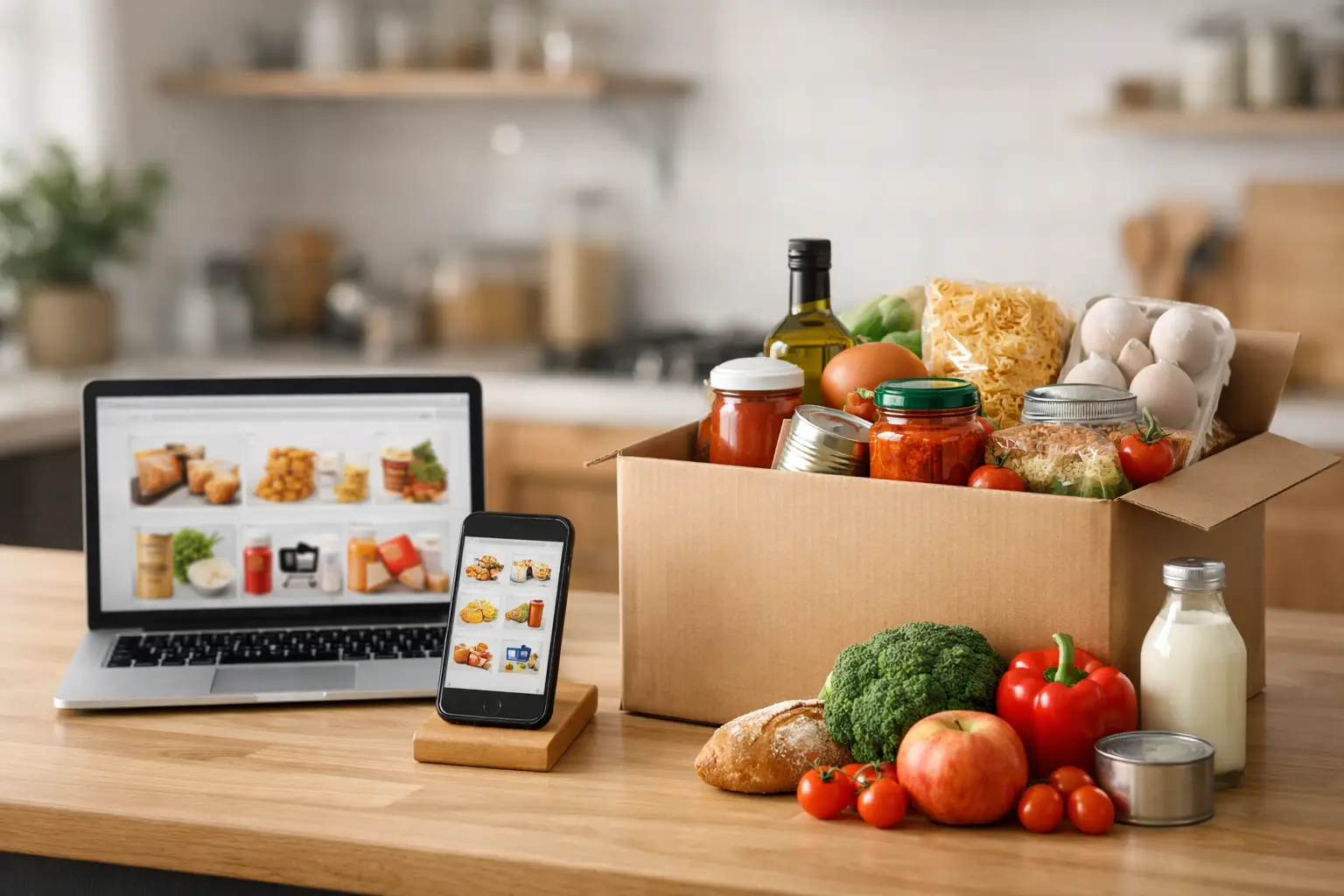
The biggest benefit of online grocery shopping is not novelty. It is control. Shoppers can review categories, compare pack sizes, spot promotions, and place a complete order without walking aisle to aisle.
That matters most for routine buying. A shopper replenishing household basics usually already knows what they need. They want speed, clear product options, and the ability to combine groceries with household and personal-use items. Online ordering supports that better than a rushed store visit, especially when the order is built around repeated weekly needs.
There are trade-offs, of course. Some shoppers still prefer choosing certain products in person, especially highly specific fresh items or a brand they want to inspect closely. But for staples, packaged foods, home care, baby products, pharmacy basics, and repeat-use essentials, online shopping is often the more efficient option.
A better way to think about everyday groceries
Everyday groceries are not a small category. They are the full set of products that support normal life at home. Meals, cleaning, personal care, baby needs, health basics, and small convenience items all connect inside the same routine.
When shopping reflects that reality, households spend less time chasing missing items and more time staying stocked. The best grocery order is not the fanciest one or the biggest one. It is the one that covers what the home actually needs next, with enough range and value to make reordering easy.
If your cart helps you handle dinner, laundry, school snacks, and the bathroom shelf in one go, that is not extra convenience. That is everyday shopping working the way it should.