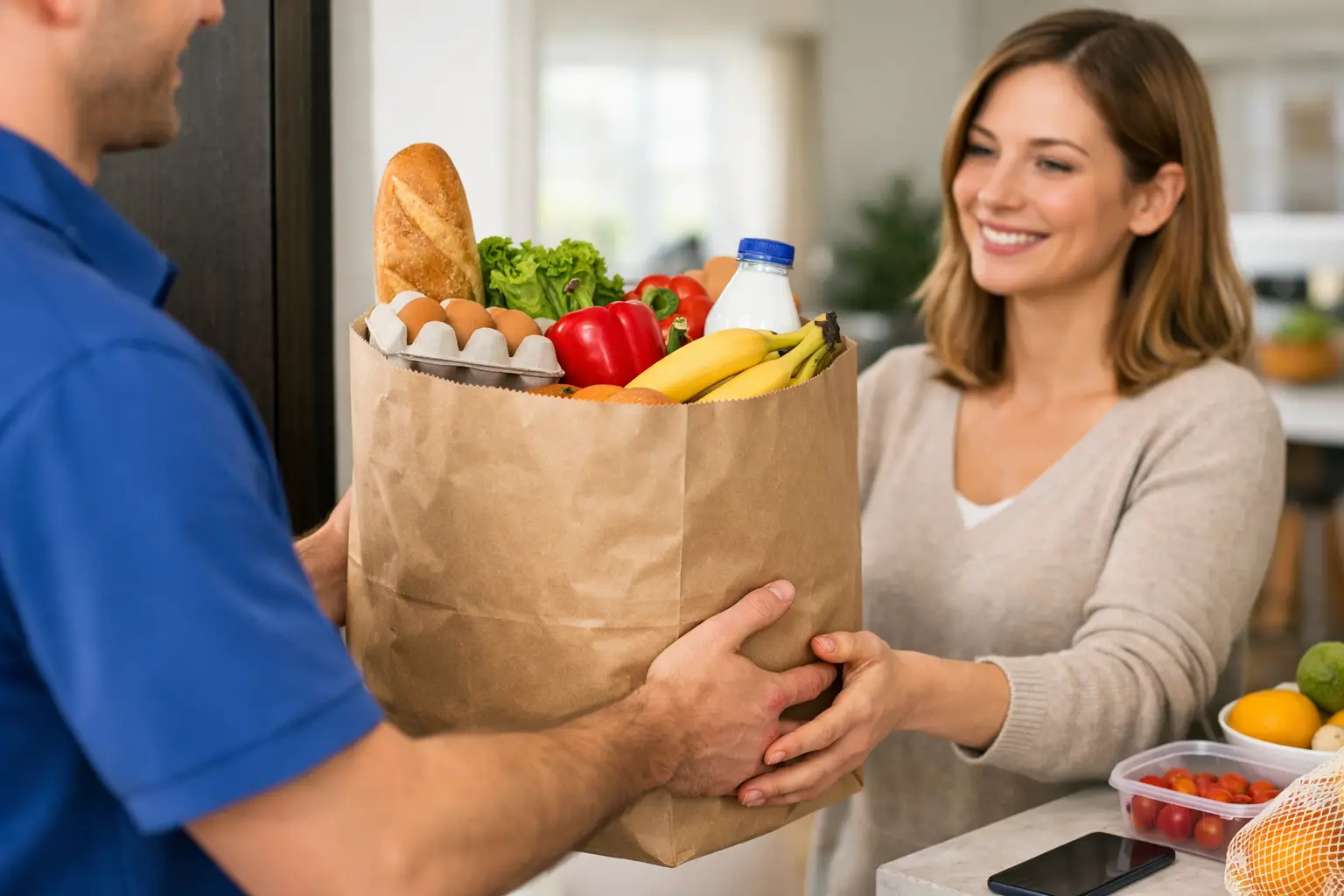

That 6:30 pm moment is familiar in a lot of homes – the rice is low, the milk is finished, there are no snacks left for tomorrow, and nobody wants a second trip out. Fresh groceries home delivery solves that everyday problem by turning a rushed store visit into a simple reorder from home. For busy families, working adults, and anyone managing a full weekly household list, the real value is not just getting produce and pantry items delivered. It is getting the whole basket handled in one place.
A good delivery service changes how routine shopping gets done. Instead of building a day around traffic, parking, checkout lines, and separate stops for household basics, shoppers can restock groceries, personal care, baby items, home care products, and quick add-ons in a single order. That matters because most households do not shop in neat, isolated categories. They need eggs and bread, but they also need dishwashing liquid, toothpaste, tissues, and maybe a pack of biscuits for the kids.
Why fresh groceries home delivery works for real households
The biggest reason people switch to fresh groceries home delivery is simple – it cuts friction out of repeat shopping. Weekly and midweek orders are rarely about one item. They are about maintaining a running household. A store that only covers fruits, vegetables, and a few pantry basics may help in some situations, but it still leaves shoppers making another purchase elsewhere.
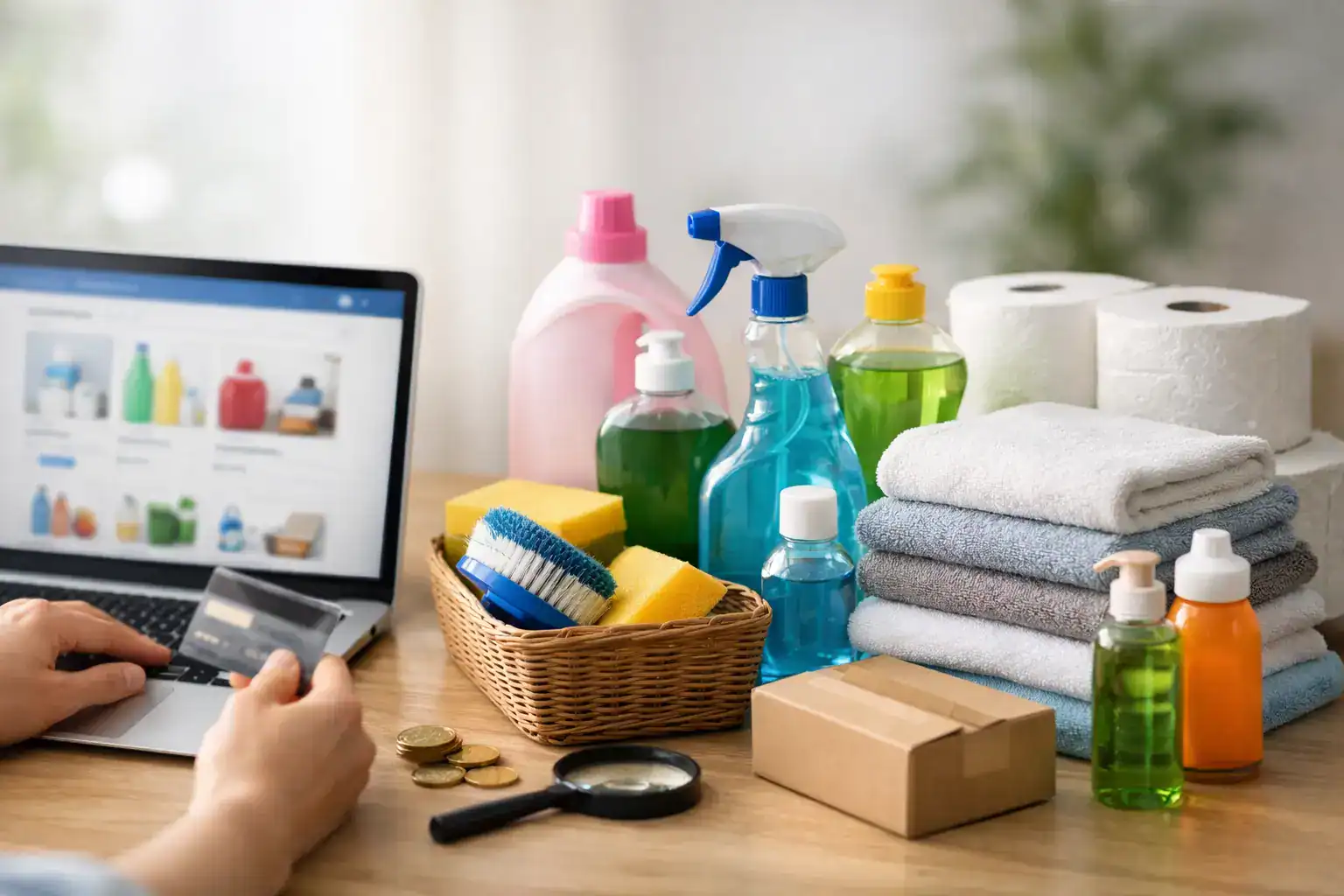
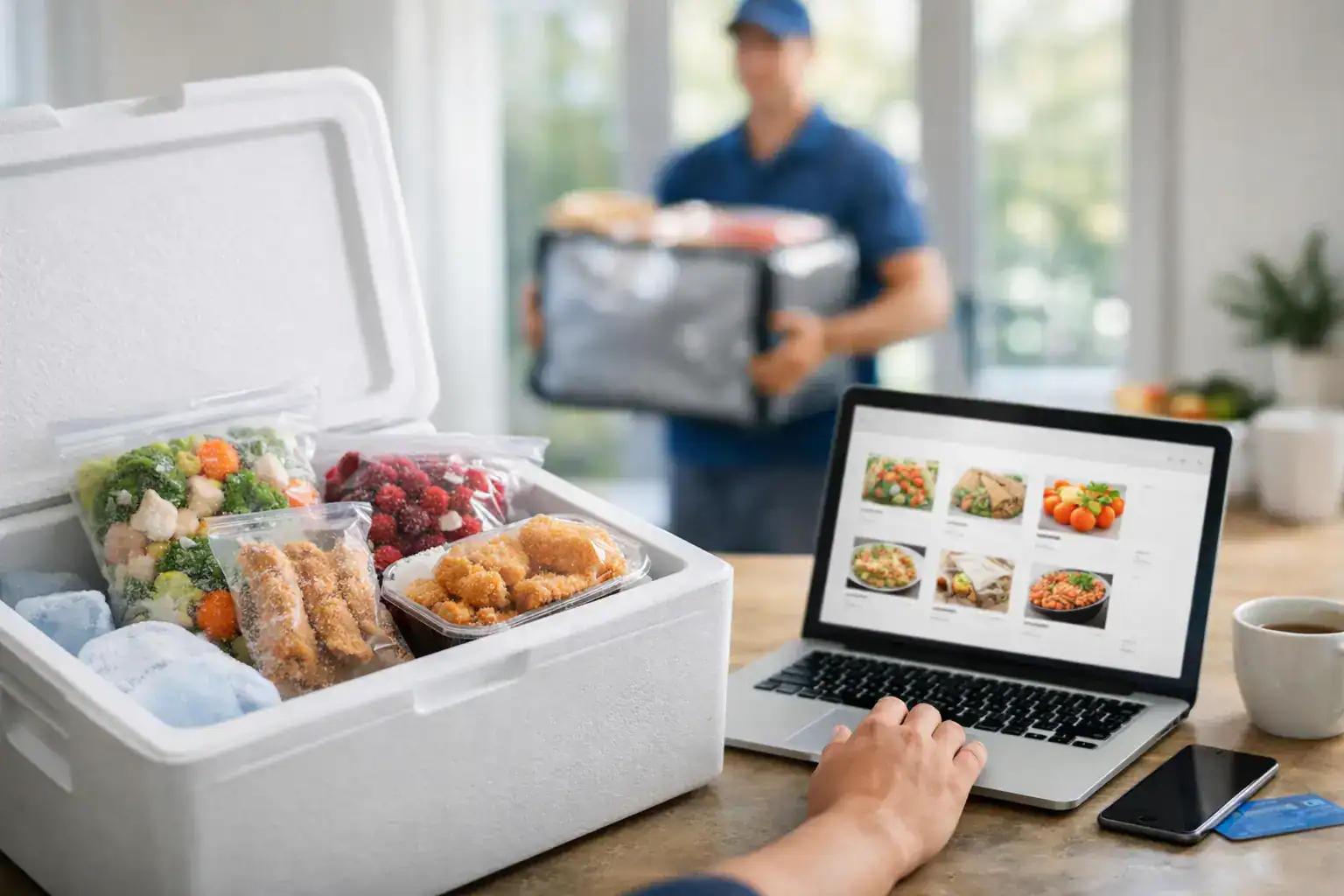
That is where a broader online supermart model makes more sense. If the goal is convenience, then convenience has to include the full home basket. Fresh produce is important, but so are frozen foods, beverages, snacks, pharmacy essentials, baby care, personal care, and cleaning supplies. The more categories available in one order, the fewer gaps a shopper has to fill later.
There is also a budget angle. In-store trips often lead to unplanned spending from aisle browsing, duplicate purchases, or buying whatever is available at the closest shop rather than comparing practical options. Online ordering gives shoppers a clearer view of quantities, sale prices, and basket totals before checkout. For price-conscious households, that level of control matters.
What shoppers actually want from home delivery
When people search for fresh groceries home delivery, they usually mean more than freshness alone. They want freshness, yes, but they also want accuracy, fair pricing, category range, and dependable delivery. If one of those pieces is weak, the service becomes less useful.
Freshness is the starting point. No one wants produce that has only a day left, dairy close to expiry, or frozen items that arrive in poor condition. But freshness without reliability still creates problems. A household order needs to arrive with the expected items, in the expected quantities, and within a reasonable delivery window.
Range is the next factor. If a shopper can buy tomatoes, bananas, bread, and chicken but cannot add detergent, diapers, shampoo, medicine cabinet basics, or school stationery, the order remains incomplete. For most homes, the better service is the one that supports routine replenishment across multiple categories.
Price visibility also plays a big role. Many shoppers are not looking for premium positioning. They want practical value. They want to spot deals, compare pack sizes, and decide whether to stock up on essentials while discounts are active. That is especially true for recurring purchases where small savings across many items add up over a month.
The difference between emergency orders and planned baskets
Not every grocery order is the same, and that affects how people use delivery services. Some orders are fill-in orders. You ran out of milk, bread, cooking oil, or tea and need a quick restock. In that case, speed matters more than basket size.
Other orders are planned household baskets. These are the larger weekly or biweekly orders where shoppers restock staples, add fresh groceries, pick up home care products, buy snacks and beverages, and handle family essentials at the same time. In those orders, the value comes from consolidation. One checkout is easier to manage than three or four separate purchases.
A strong online supermarket should support both patterns. It should be useful for quick top-ups, but it should be even better for planned household buying. That is where a wide catalog becomes a practical advantage instead of just a branding point.
How to get better results from fresh groceries home delivery
Using fresh groceries home delivery well is partly about choosing the right platform and partly about shopping with a smarter routine. Households that get the most value from delivery usually keep a running restock habit instead of waiting for a full shortage.
One approach is to shop by need cycle. Fresh produce, dairy, and bread may need more frequent ordering, while rice, flour, cleaning supplies, diapers, toiletries, and frozen foods can be bought in larger quantities less often. This helps balance freshness with budget control.
It also helps to build your basket in layers. Start with meal essentials such as produce, meat, dairy, and pantry staples. Then add home basics like detergents, tissues, soaps, and trash bags. After that, add baby care, pharmacy products, drinks, and snack items if needed. This method reduces the risk of finishing an order and remembering missing household items later.
Sale pricing is another practical advantage. If an online store clearly shows discounts, shoppers can use regular orders to stock up on items with a stable shelf life. That does not mean buying everything in bulk. It means using visible deals to cover products you know the home will use anyway.
When fresh groceries home delivery is not enough on its own
There are trade-offs, and it helps to be realistic about them. Some shoppers still prefer choosing certain produce items by hand, especially if they are buying for a special meal or want very specific ripeness. Others may need a same-minute solution that any delivery operation cannot always match.
There can also be stock variation. Popular items may go out of stock, especially during busy demand periods, promotions, or seasonal spikes. That is why a broad catalog matters. If one brand or size is unavailable, shoppers still have alternatives without abandoning the order.
Delivery is most useful when the service is designed around household continuity, not perfection in every single scenario. For highly particular fresh selection, some customers may still want occasional in-person trips. But for regular replenishment, home delivery remains the more efficient option.
A one-stop basket matters more than people think
The strongest case for fresh groceries home delivery is not just that it brings groceries to the door. It is that it reduces the number of shopping decisions a household has to make during the week. When one order covers kitchen staples, cleaning products, baby needs, personal care items, frozen foods, beverages, and small extras, the home runs with less interruption.
That one-stop approach is especially useful for families, working professionals, and anyone balancing multiple responsibilities. Time saved at the store often gets used somewhere more valuable – dinner prep, work, school pickup, or simply avoiding a late evening errand.
For shoppers who want practical, broad-category ordering, Ajwa Super Mart at https://ajwamart.pk fits that everyday need by bringing groceries and household essentials into one digital cart. That kind of coverage is what turns delivery from a convenience perk into a regular shopping method.
Fresh groceries home delivery is really about routine control
Most people do not need grocery shopping to be exciting. They need it to be dependable, affordable, and easy to repeat. That is why fresh groceries home delivery keeps growing as a household habit rather than a one-time convenience. The real benefit is not only freshness at the door. It is being able to handle daily use products for every home without breaking the day into extra trips, missed items, and unnecessary store runs.
If your shopping list usually includes more than food alone, the best move is to use a delivery option that matches how homes actually buy – mixed baskets, repeat essentials, and practical add-ons all in one order. When the service works that way, staying stocked feels a lot less like a chore.