
That checkout total usually jumps for the same reason every month – too many small add-ons, too many emergency restocks, and no clear limit by category. A good household shopping budget guide fixes that by turning routine buying into a plan. You still get the items your home needs, but you stop paying extra for poor timing, duplicate purchases, and impulse picks that quietly push the bill higher.
For most households, the problem is not buying groceries or home essentials. The problem is buying them without a working system. Milk, detergent, diapers, snacks, soap, tissues, over-the-counter health items, and cleaning supplies all come due on different schedules. If you treat every order like a fresh start, your budget will feel unpredictable even when your needs are not.
What a household shopping budget guide should actually do
A useful budget guide should make day-to-day shopping easier, not stricter for the sake of it. The goal is simple: know what your home uses, decide what you can spend, and separate needs from extras before you shop.
That means your budget is not just one number. It works better when it is divided into practical household categories. Groceries should not compete blindly with baby care. Pharmacy basics should not eat into your cleaning products budget. When everything is lumped together, it becomes harder to see where overspending starts.
A category-based view also helps you react faster. If snack spending is rising, you can adjust there without cutting kitchen staples. If home care costs are up because you stocked detergent and trash bags for the month, you know that increase may settle down next week.
Start with your real monthly household needs
Before setting limits, look at what your home regularly consumes. This sounds obvious, but many shoppers budget based on what they hope to spend rather than what they actually buy. A better approach is to review recent orders and group products by how often they need to be replaced.
Weekly items usually include fresh food, bread, eggs, milk, fruit, vegetables, and lunchbox or snack needs. Every two to four weeks, many homes restock packaged groceries, beverages, personal care, and cleaning items. Monthly or occasional purchases often include pharmacy basics, baby products, pet supplies, stationery, and household replacements such as sponges, batteries, or storage bags.
This is where a lot of waste becomes visible. You may find that some items are being bought too early, while others are repeatedly bought at urgent prices because they were left too late. Both situations cost money.
Build your shopping budget around categories
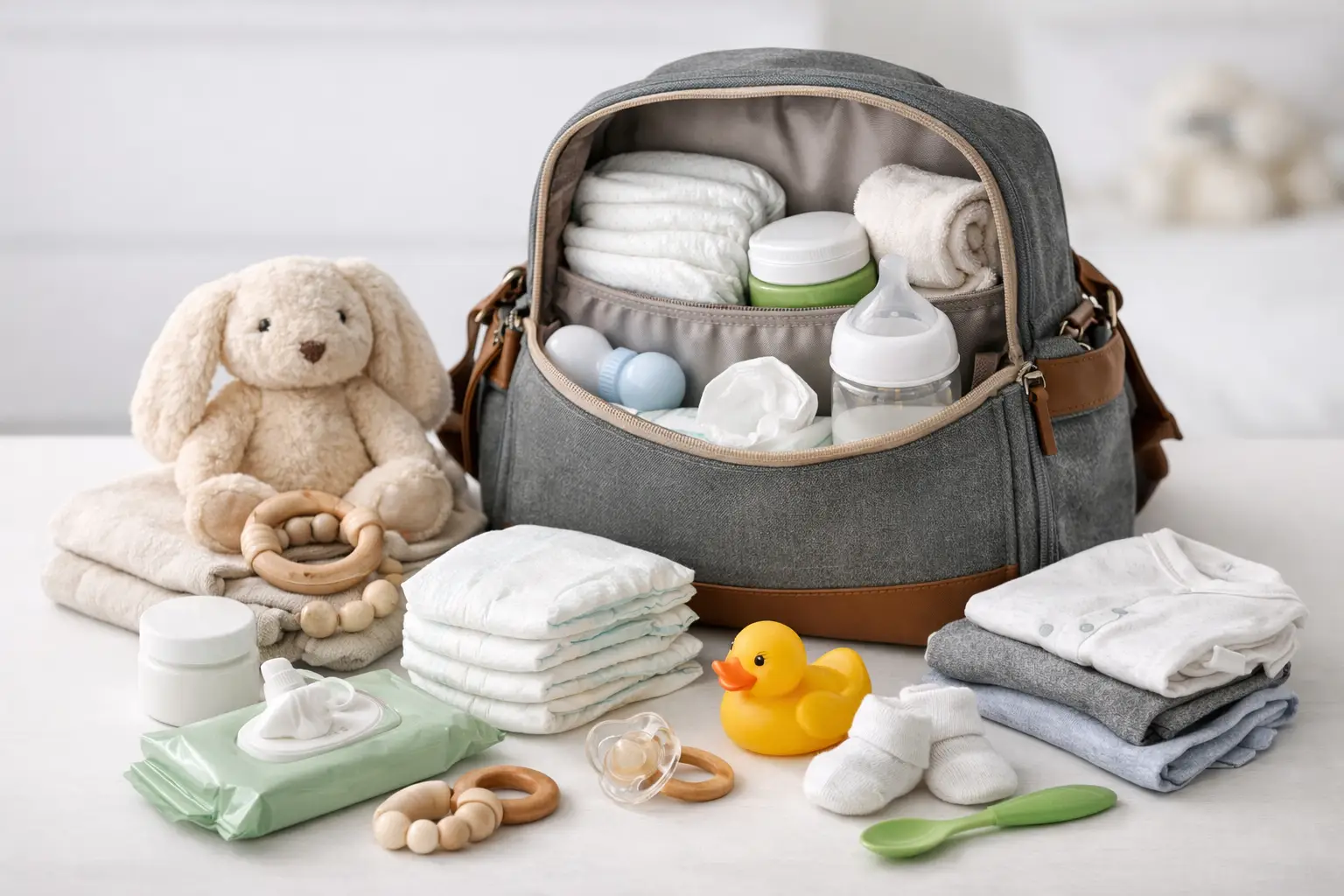
A practical household budget usually works best with a few fixed sections. Groceries are the core. Home care covers detergent, dishwashing liquid, disinfectant, tissues, trash bags, and similar items. Personal care includes soap, shampoo, toothpaste, and grooming products. Baby care, pet care, and pharmacy essentials should each have their own space if they are regular parts of your household spending.
Then keep one smaller category for flexible spending. This is where snacks, treats, convenience beverages, seasonal items, and impulse purchases belong. Giving extras a limit is better than pretending they will not happen. Most households buy some nonessential items. The issue is not buying them at all. The issue is letting them quietly consume the money meant for basics.
If you are budgeting for a family, category planning matters even more. A single large order can look expensive, but the real question is whether it covers several categories efficiently. A larger order of planned essentials can be better value than multiple smaller orders filled with convenience buys.
Set a buying rhythm instead of shopping at random
One of the easiest ways to control spending is to reduce unplanned shopping frequency. Every extra order creates a chance to add items you did not intend to buy. It also makes it harder to track what you already have at home.
Try using a simple rhythm. Place one main stock-up order for pantry goods, home care, and personal care. Then use one lighter refill order for fresh items and true shortages. This works because your larger basket is planned, while your smaller basket is controlled.
It will not look the same for every home. A household with babies may need more frequent replenishment for wipes or formula. A smaller household may prefer shorter, more frequent grocery orders to avoid food waste. The point is not to force one schedule. The point is to stop shopping whenever something feels low and start shopping according to a plan.
Control the categories that cause budget drift
Most shopping budgets do not fail because of rice, flour, or dish soap. They fail in the less visible areas. Snacks multiply quickly. Beverages add up fast. Personal care can become expensive when multiple branded items are added without comparison. Seasonal and novelty products can slip into the cart because they feel small individually.
This is where discipline matters most. Decide in advance how much room your budget has for convenience and enjoyment. If your household likes chips, biscuits, chocolates, soft drinks, or frozen ready-to-cook items, budget for them honestly. That makes it easier to keep them in proportion.
It also helps to separate a true need from a preference upgrade. If you need shampoo, that is a necessity. If you switch to a much more expensive version without a clear reason, that is a discretionary choice. Neither decision is automatically wrong, but they should not be treated the same way in your budget.
Use price visibility to your advantage
A shopping budget works better when you compare within categories instead of across your entire cart. If your laundry cost feels high, compare detergent options by pack size and price. If breakfast items are rising, compare brands, formats, and quantities before reordering the same product out of habit.
Promotions can help, but only when they match items you actually use. A discount on a regular household staple is useful. A discount on an item you would not normally buy is not real savings if it pushes your total up. The same rule applies to bundle thinking. Larger packs can lower cost per unit, but only if your household will finish them before they expire or sit forgotten in storage.
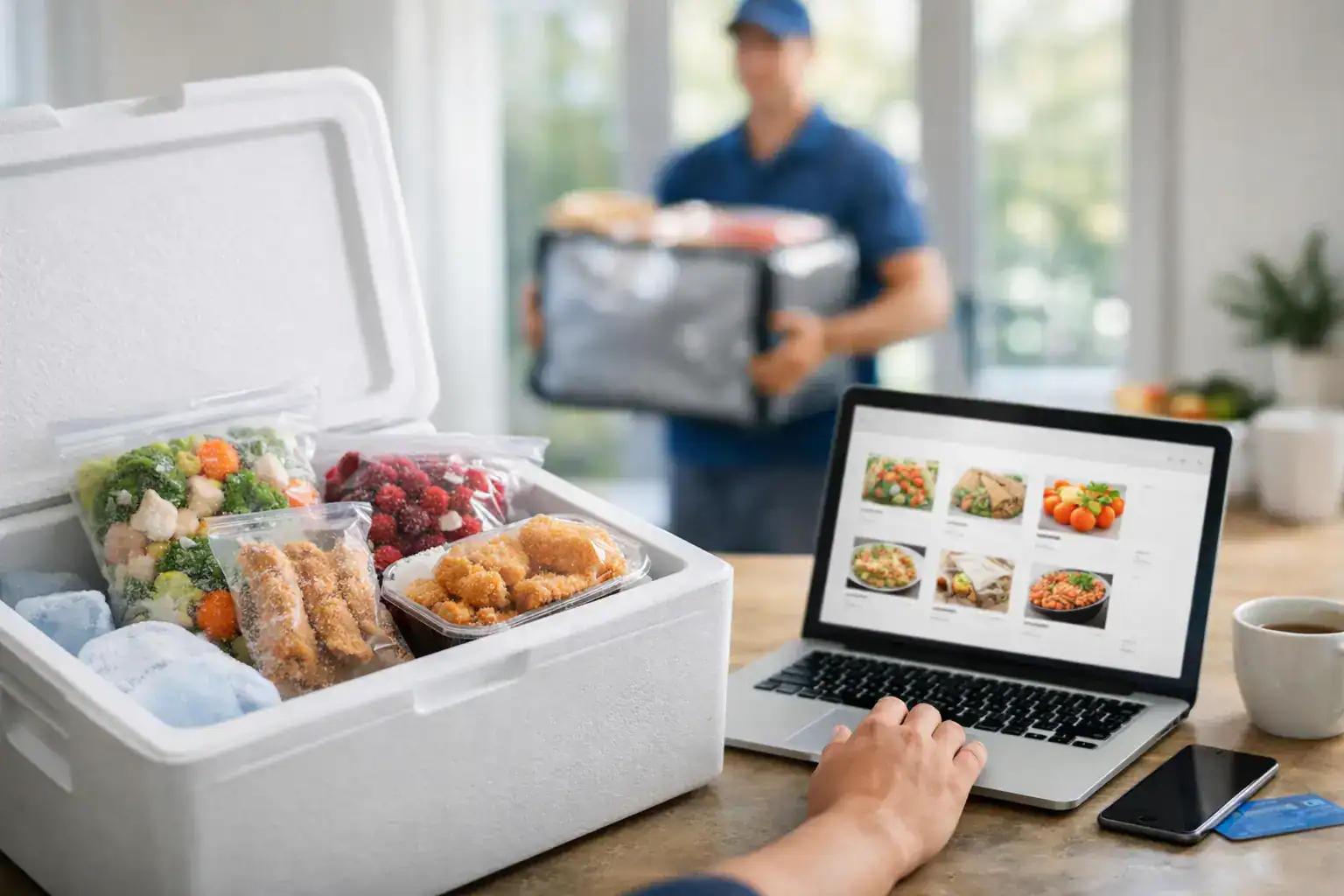
This is where online shopping can be practical for budget control. You can review categories, compare visible prices, and build a full household basket without rushing through aisles. For many families, that makes it easier to see where the money is going. A broad store such as Ajwa Super Mart can also reduce the need to split your list across multiple stops, which helps keep routine purchases in one view.
Keep a running list of repeat purchases
A strong household budget is built on repeat buying patterns. Once you know the products your home always needs, keep them on a running list. This reduces forgotten essentials and cuts down on duplicate buying.
Your repeat list should include the basics you never want to run out of, along with the rough replacement cycle for each one. You do not need anything complicated. A simple note is enough if it tells you what to restock weekly, what lasts two weeks, and what usually lasts a month.
This also helps with household coordination. If more than one person shops for the home, a shared list prevents double purchases and last-minute guesses. That alone can make a noticeable difference over a month.
Leave room for real life
The best budget is not the tightest one. It is the one your household can follow consistently. Some months include guests, school needs, extra medicine, holiday buying, or sudden shortages. If your budget has no breathing room, one unusual week can throw off the whole month.
That is why a small buffer matters. It protects your essentials category from being disrupted by normal life. Without a buffer, many shoppers borrow from groceries to cover surprise household needs, then make another order later to catch up. That creates a cycle of overspending that feels unavoidable but usually starts with poor budget structure.
If your spending is currently hard to control, start small. Track one month. Break your orders into categories. Notice which purchases were planned and which were not. Then adjust the next month based on what your home actually uses.
A household shopping budget guide should make routine buying calmer, faster, and more predictable. When your essentials, refill timing, and flexible spending all have a place, your cart stops feeling random. And once shopping feels less reactive, it becomes much easier to keep your home stocked without letting every order stretch further than it should.