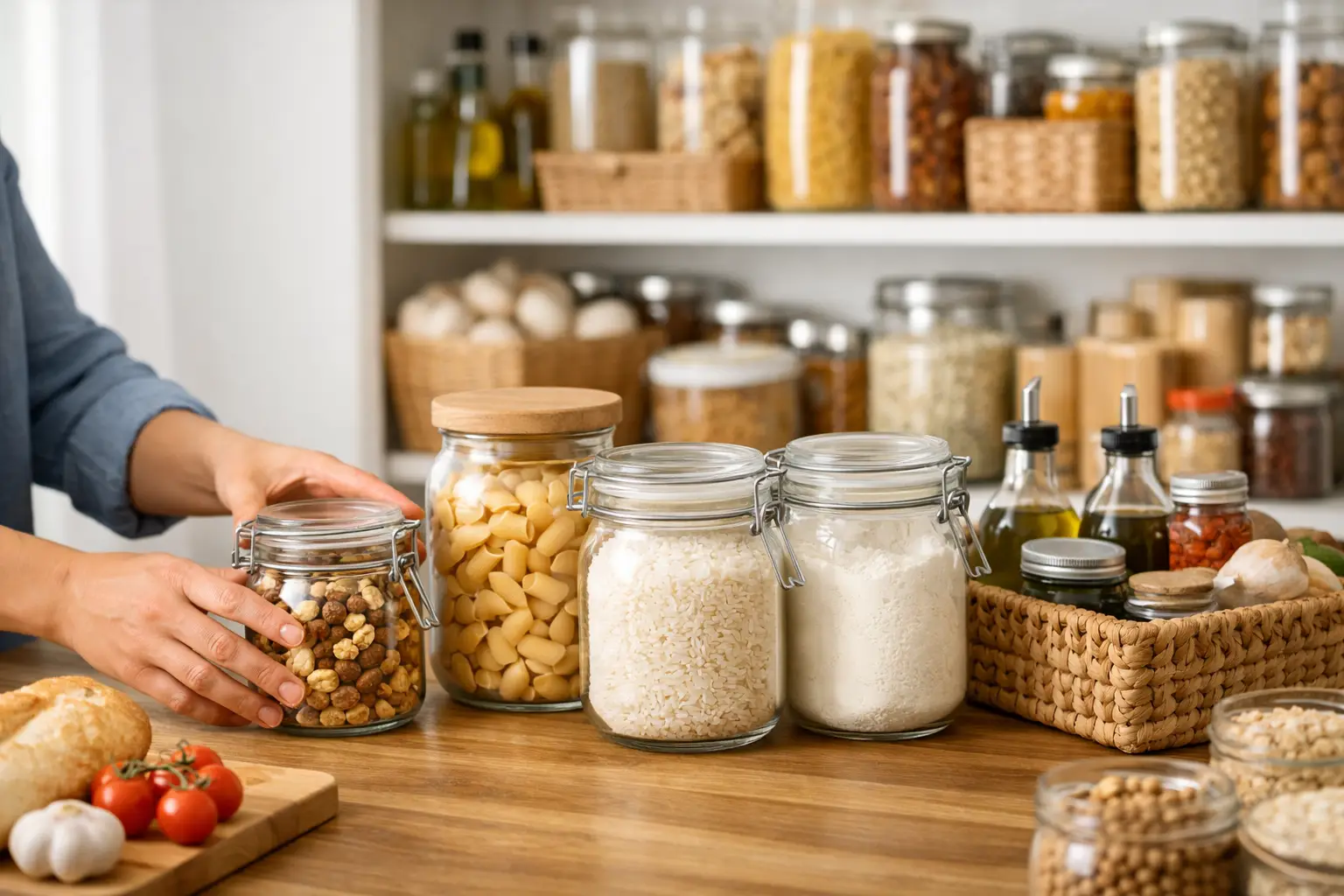
You usually notice a poorly stocked pantry at the worst time – when dinner is half started, breakfast is running late, or guests are on the way. Learning how to stock pantry essentials is less about buying everything at once and more about keeping the right everyday items on hand so meals, snacks, and quick fixes stay easy.
A smart pantry should save time, reduce last-minute store runs, and help you stretch your grocery budget. It should also fit the way your household actually eats. A family cooking rice and lentils several times a week needs a different setup than someone who relies more on pasta, canned soups, and breakfast basics. The goal is not a picture-perfect shelf. The goal is a pantry that works on an ordinary Tuesday.
How to stock pantry essentials without overbuying
The fastest way to waste money is to stock for an imaginary household. Start with one week of observation. Notice what gets used most often, what runs out too quickly, and what sits untouched. If your home goes through flour, cooking oil, sugar, tea, cereal, pasta, and canned tomatoes regularly, those are your core items. If you rarely bake, there is no reason to treat baking supplies like high-priority staples.
Think in terms of frequency. Some items should always be in reserve, while others only need occasional replacement. Rice, pasta, lentils, beans, salt, oil, spices, sauces, oats, and shelf-stable milk often fall into the repeat-purchase category. Specialty ingredients, party snacks, and seasonal products do not need the same shelf space or refill schedule.
It also helps to stock in layers. Your first layer is daily-use staples. Your second layer is convenience food for busy days, such as instant noodles, soup, cereal bars, crackers, or canned tuna. Your third layer is backup support – the extra bag of rice, spare bottle of oil, or second jar of peanut butter that prevents a full stockout.
Start with the pantry basics most homes use
Most households do better when pantry shopping begins with flexible ingredients instead of meal-specific items. Flexible staples give you more options and reduce food waste because they can be used across breakfast, lunch, dinner, and snacks.
Dry grains and starches are the backbone of many kitchens. Rice, pasta, oats, flour, breadcrumbs, and noodles cover a lot of everyday meals. If your household prefers one over the other, buy accordingly. It is better to keep enough of the products you actually cook than to spread your budget across too many categories.
Canned and packaged foods add convenience and shelf life. Beans, canned tomatoes, tomato paste, soup, broth, tuna, chickpeas, and corn are useful because they turn into meals quickly. These are especially helpful for working households that need fast dinner options without daily shopping.
Cooking basics matter just as much as the main ingredients. Salt, sugar, cooking oil, vinegar, black pepper, red chili, turmeric, garlic powder, and mixed seasoning blends can carry most home cooking. You do not need a huge spice collection to be prepared. You need the ones you reach for every week.
Breakfast and snack staples deserve a place too. Cereal, oats, peanut butter, jam, tea, coffee, crackers, and shelf-stable juice boxes can keep mornings and in-between meals from turning into emergency purchases. For homes with children, this category usually moves faster than expected.
Build your pantry around real meal patterns
If you want to understand how to stock pantry essentials efficiently, look at your regular meals, not just your shopping list. A pantry should support what your home already cooks with a little room for convenience.
For example, if your weekly rotation includes rice bowls, curry, pasta, sandwiches, and eggs, your pantry needs rice, lentils or beans, pasta, sauces, seasonings, flour or bread helpers, canned tomatoes, oil, and spreads. If your meals lean toward quick American basics like mac and cheese, soup, oatmeal, pancakes, and sandwiches, your shelves should reflect that instead.
This is where many shoppers either underbuy or overbuy. Underbuying happens when you shop one meal at a time and forget the staples behind those meals. Overbuying happens when you buy aspirational ingredients because they seem useful, then never use them. Your pantry should support repeat meals first, then occasional extras.
A simple test helps. Pick five meals your household makes often. Then check which shelf-stable ingredients each meal needs. The items that show up repeatedly belong on your must-stock list.
Set par levels so you know when to reorder
A pantry is easier to maintain when you stop relying on memory. Par levels are simply minimum quantities for your important items. If your home uses two pasta packs a week, your reorder point might be when one pack is left. If you finish one bottle of oil every two weeks, reorder before the bottle is almost empty.
This approach is especially useful for larger families and routine shoppers. It cuts down on missed items and spreads spending more evenly across the month. Instead of doing a full panic restock, you refill steadily.
Your par levels should match storage space, budget, and usage. Bulk buying can save money, but only if you have room and actually use the product before quality drops. Flour, cereal, crackers, and chips are not bargains if they go stale. Dry beans, rice, and canned foods usually hold up better for larger purchases.
Organize pantry essentials so they get used
Even a well-stocked pantry can fail if items disappear into the back of a shelf. Good organization is not about expensive containers. It is about visibility and rotation.
Keep daily-use products at eye level. Group similar items together, such as grains, canned goods, breakfast foods, snacks, and baking products. Put newer items behind older ones so the older stock gets used first. This one habit can prevent a surprising amount of waste.
Clear storage can help with dry goods, but original packaging works fine if it stays sealed and easy to identify. The bigger issue is forgetting what you already have. If duplicates keep piling up, your setup is not showing you enough at a glance.
A short shelf check before each order can solve that. It takes a few minutes and keeps your basket focused on true gaps instead of guesswork.
Don’t forget the non-food essentials that support the pantry
For many households, pantry restocking overlaps with daily-use home essentials. If you are already placing a grocery order, it makes sense to check the products that support cooking, cleaning, and food storage at the same time.
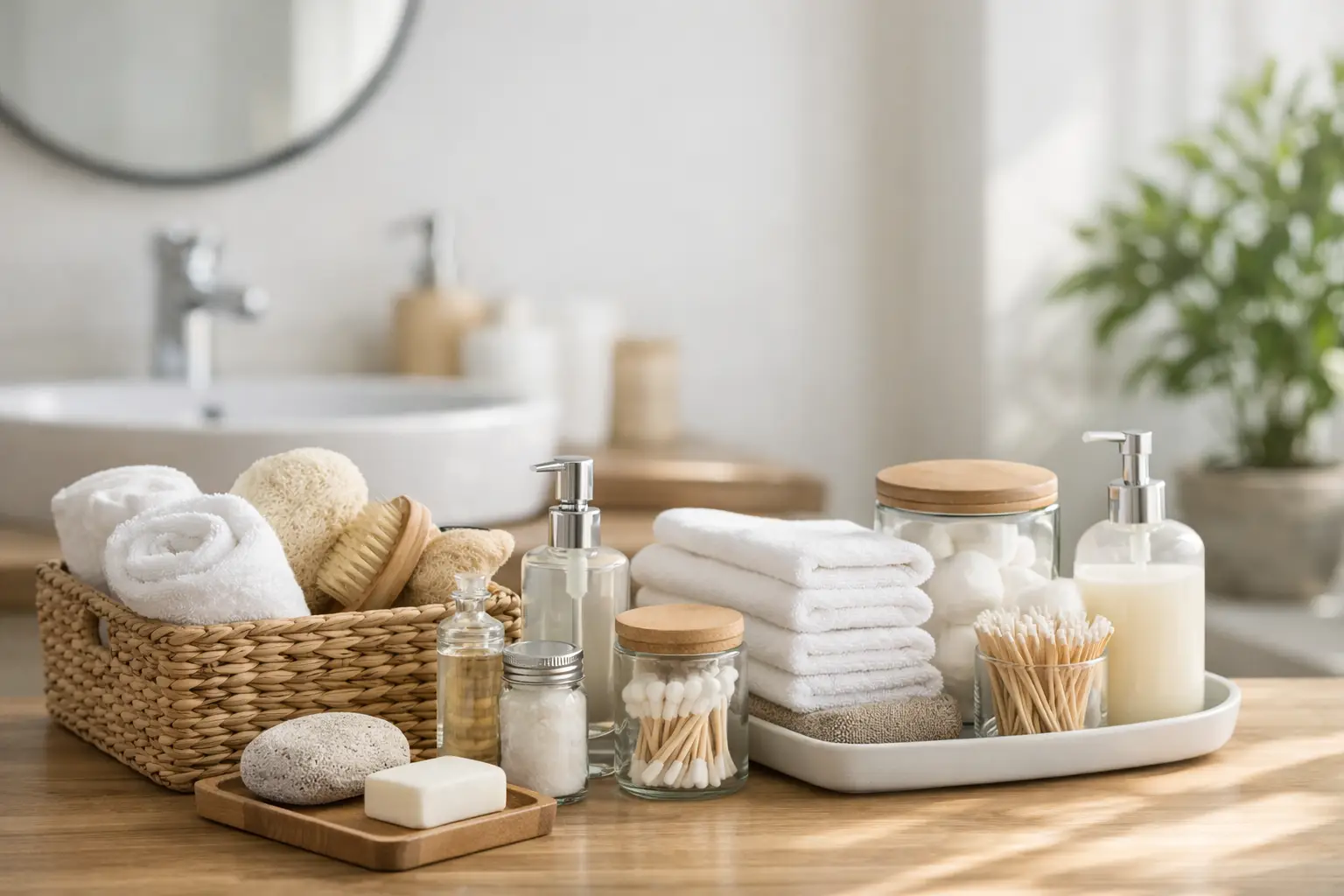
Foil, plastic wrap, trash bags, dish soap, sponges, paper towels, food storage bags, and containers are easy to overlook until you need them right away. The same goes for basic hygiene and household items that often ride along with routine grocery orders. One-stop shopping works best when you think beyond ingredients and cover the refill items that keep the kitchen running smoothly.
That convenience matters most during busy weeks. If you can restock pantry staples, snacks, beverages, and home-care basics in one order, you save more than time. You also reduce the small repeat trips that tend to increase total spending.
Shop for value, not just low price
Price matters, but the cheapest option is not always the best value. Compare pack size, usage rate, and whether your household prefers the product enough to finish it. A larger bag of rice is usually practical. A giant package of crackers may not be if it loses freshness before your family eats it.
Promotions help most when used on products you already buy. Sale pricing on oil, pasta, canned vegetables, cereal, coffee, or cleaning supplies can make a real difference because those are repeat items. Discounts on random products are less useful if they do not match your normal routine.
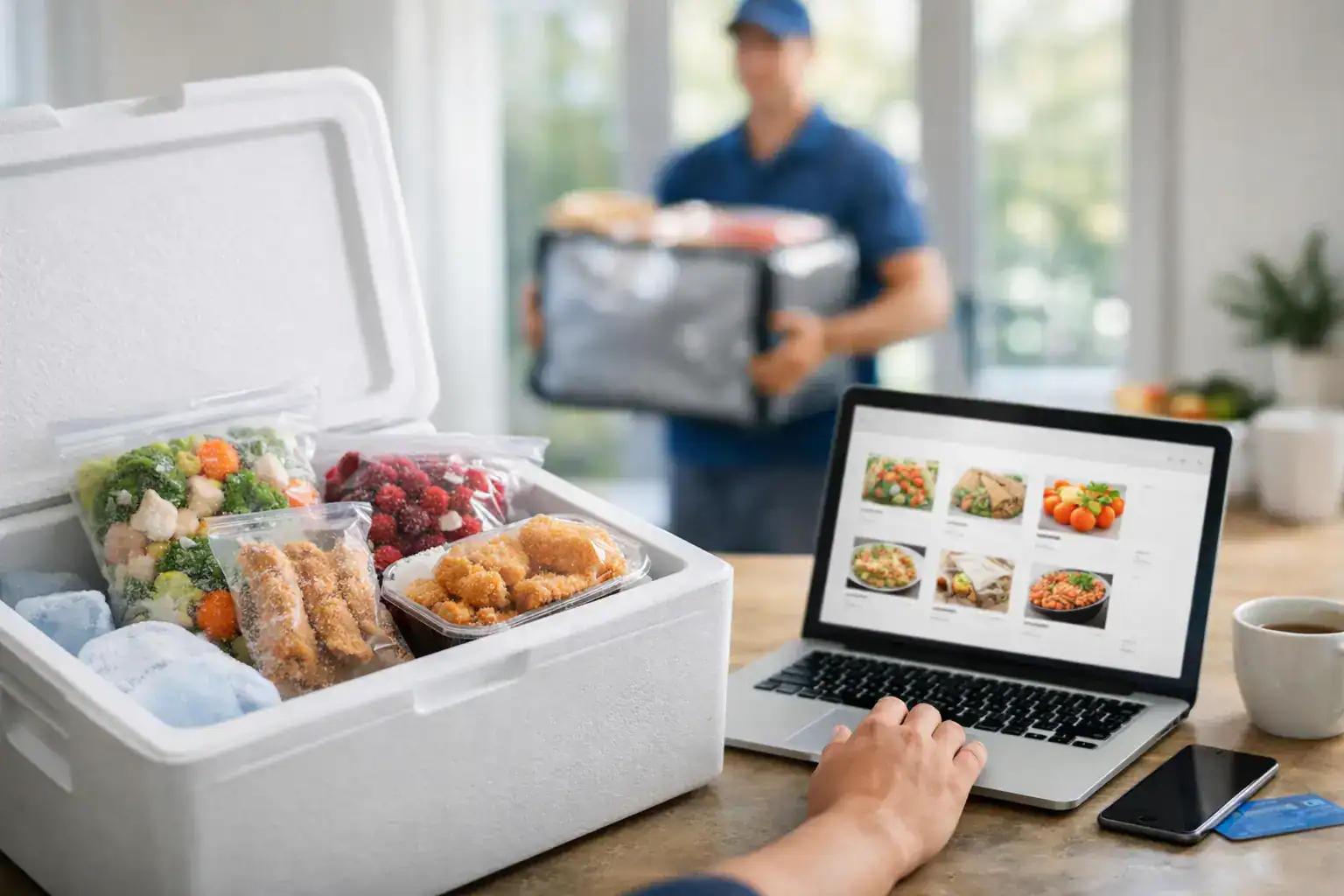
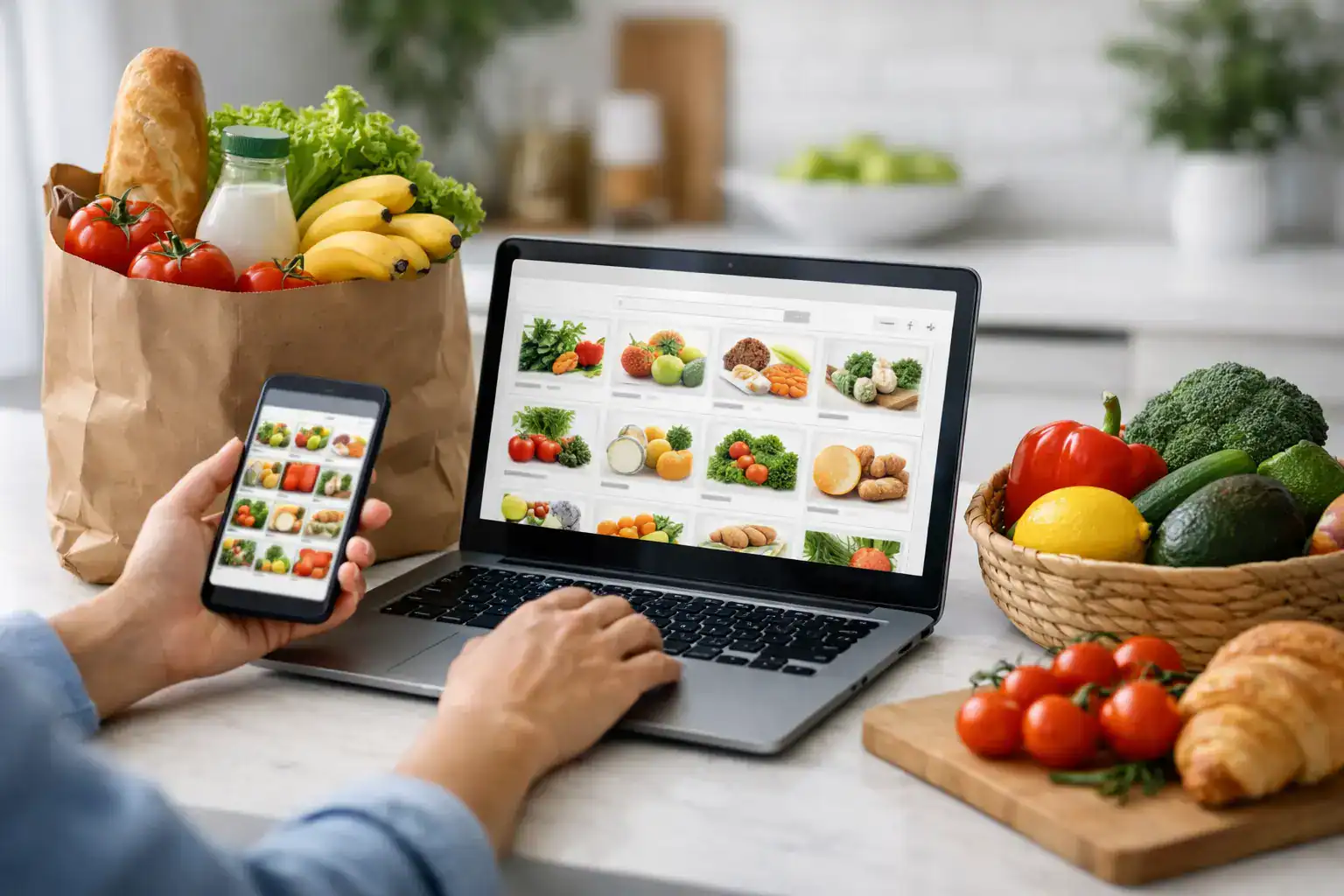
This is where online grocery shopping can be especially practical. You can review categories, compare sizes, and add regular-use products in one sitting instead of making impulse decisions aisle by aisle. For households managing weekly replenishment, that kind of convenience can keep pantry planning more consistent.
A simple pantry restock routine that works
You do not need a full inventory system. A repeatable routine is enough. Check staple levels once a week. Refill your daily-use items before they run out. Review breakfast foods, lunch helpers, snack items, and cooking basics together instead of as separate shopping trips.
Then do a deeper look once a month. That is the time to replace backup stock, clean out expired products, and notice patterns. Maybe you need more canned goods during school season, more drink mixes in summer, or more convenience meals during busy work periods. Your pantry should change with real life.
If you are ordering from a broad-category store such as Ajwa Super Mart, it becomes easier to combine grocery staples with household, personal care, and family-use products in the same cart. That kind of shopping rhythm is often more practical than treating pantry restocking as a separate task every time.
A well-stocked pantry does not need to be large. It just needs to be intentional. Keep the foods your household uses, maintain a small backup of the items that matter most, and reorder before you hit empty. When your shelves match your routine, everyday cooking gets easier, budgeting gets clearer, and your next meal starts with less stress.