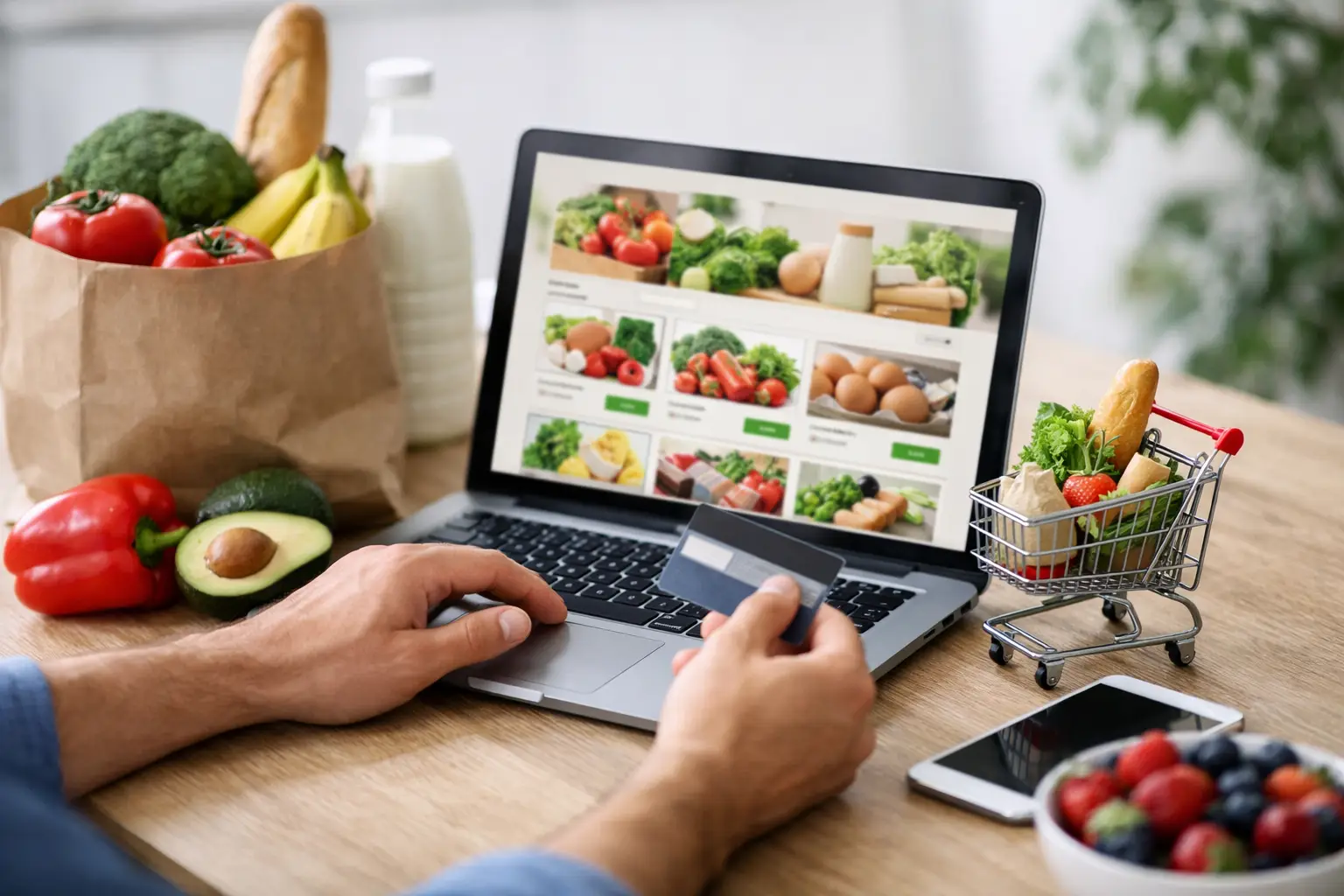
Running out of cooking oil at 9 p.m. or realizing you forgot diapers after a long workday is usually what pushes people to learn how to buy groceries online. The good news is that online grocery shopping is not complicated. The better news is that once you do it the right way, it can save time, reduce extra trips, and make routine household shopping easier to manage.
The trick is not just placing an order. It is building a process that helps you restock food, home care, baby items, personal care, and pharmacy basics in one go without spending more than you planned. That matters because convenience can save time, but poor planning can also lead to duplicate items, missed staples, and too many impulse buys.
How to buy groceries online the smart way
If you want online grocery shopping to work well, start with your home, not the store. A quick check of your kitchen, fridge, freezer, and bathroom cabinets gives you a more accurate picture of what you actually need. This takes a few minutes, but it prevents the common problem of ordering snacks and drinks while forgetting flour, detergent, or toothpaste.
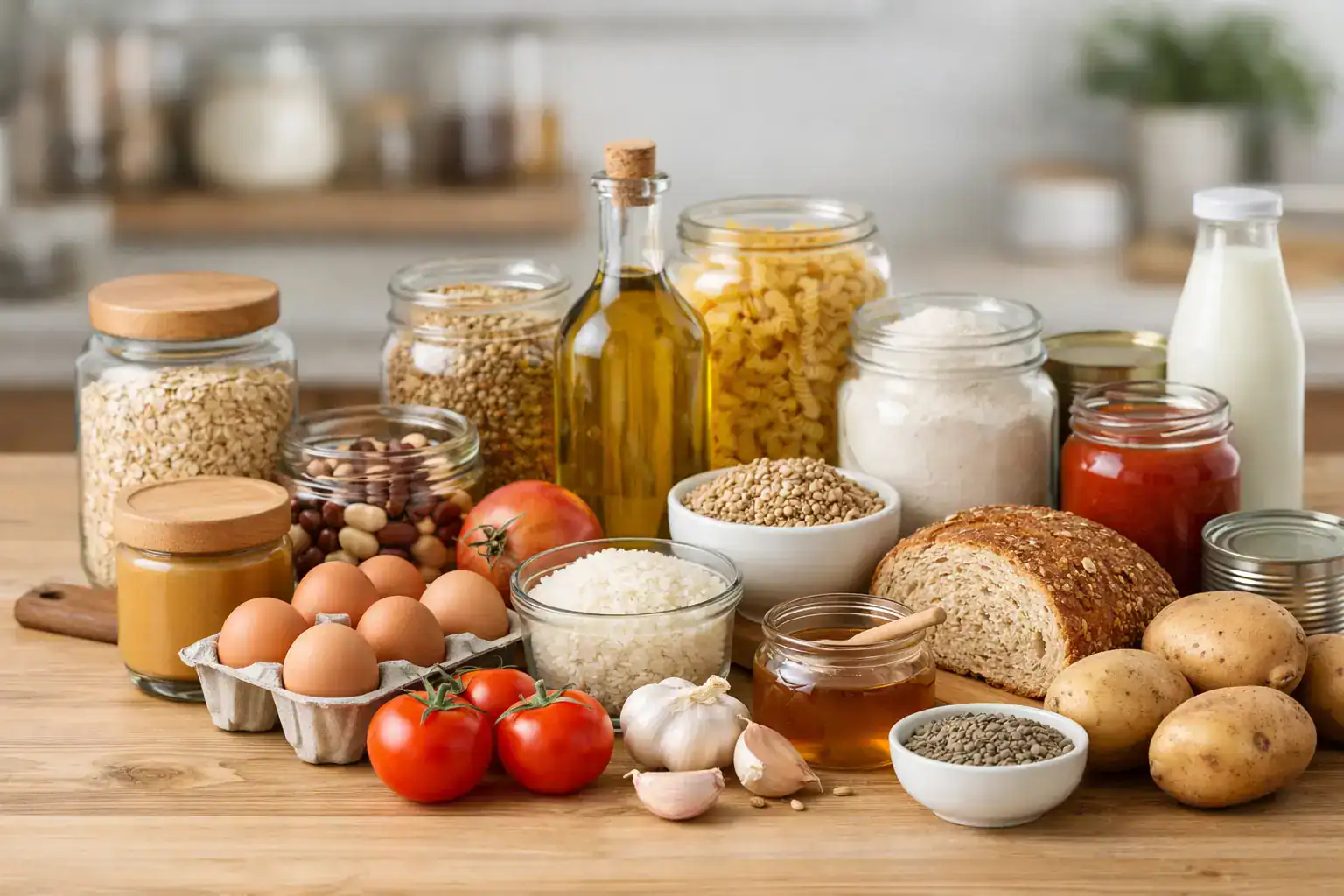
A practical approach is to think in zones. Check pantry staples like rice, flour, sugar, pulses, tea, coffee, oil, and canned goods. Then move to the fridge and freezer for milk, butter, eggs, frozen foods, and anything close to finishing. After that, look at household essentials such as dishwash, laundry detergent, tissues, trash bags, and cleaning supplies. If you shop for a family, include baby care, pharmacy items, and personal care in the same review.
This is where online shopping has a real advantage over physical store visits. You can add daily use products for every home in a single basket instead of making separate stops for groceries, hygiene, and household refills. For many shoppers, that is the biggest reason online ordering becomes a repeat habit.
Start with a list, then shop by category
The easiest way to control your order is to begin with a written list. It does not need to be fancy. It just needs to separate must-buy items from nice-to-have items. Must-buy products are the basics your household actually depends on. Nice-to-have products are the extras that make their way into carts when you browse too long.
Once your list is ready, shop category by category rather than searching randomly. This keeps your basket organized and lowers the chance of forgetting essentials. It also helps when you are buying across multiple needs, such as grocery staples, beverages, frozen food, personal care, baby products, and home care. A category-led approach is faster, and it mirrors how most online supermarkets are built.
There is also a budget reason for this. If you add staple items first, you can see how much of your spending has gone toward real household needs before you start adding treats, convenience items, or impulse purchases.
Build your cart in layers
A simple way to shop is to fill your cart in this order: core pantry items first, perishables second, home and hygiene products third, and extras last. That order works because it covers the products that matter most before your attention shifts to promotions and add-ons.
If you are shopping for a larger household, this method also makes it easier to spot patterns. Maybe your biggest monthly cost is baby care. Maybe cleaning supplies are taking more space in the basket than expected. Maybe beverages and snacks are quietly pushing your total up. Online carts make those habits visible.
Compare sizes, not just prices
One of the most common mistakes people make when learning how to buy groceries online is choosing the lowest listed price without checking pack size. A smaller bottle of cooking oil may look cheaper, but the larger size may offer better value per ounce. The same applies to detergent, tissues, cereal, frozen products, and personal care items.
This does not mean bigger is always better. It depends on how fast your household uses the product, how much storage space you have, and whether the item is on promotion. A family may save more by buying a larger rice bag or multipack of soap. A single shopper may waste money buying bulk yogurt or produce that expires before use.
So the real question is not, “What costs less today?” It is, “What gives better value for my household?” That small shift can make online grocery shopping much more cost-effective.
Watch for promotions, but stay selective
Visible discounts are one of the biggest advantages of shopping online. Sale tags, featured offers, and category promotions can help lower the total if you are already planning to buy those items. If your regular tea, biscuits, detergent, or shampoo is on sale, that is a useful win.
But promotions are only helpful when they match real demand at home. A discount does not save money if the item was never on your list. The easiest rule is simple: if it is a product you use regularly, a promotion may be worth taking. If it is only attractive because the banner says sale, pause before adding it.
Check product details before you place the order
Online shopping is convenient, but it removes the habit of picking up a package and reading it in person. That means product pages matter more than many shoppers realize. Before checkout, look at the size, flavor, quantity, and variant. Make sure you are buying the correct pack and not just a similar-looking item.
This matters especially for baby products, health items, personal care, and frozen food, where small differences can affect whether the item is actually useful for your household. It is also worth checking whether a product is sold as a single unit or multipack. Those details can change both value and expectations.
For shoppers ordering household essentials in one large basket, this extra minute of review can prevent the most frustrating kind of mistake: paying for a full order and still needing another one tomorrow.
Think about delivery timing before checkout
A good online grocery order is not only about what you buy. It is also about when you need it. If your basket includes milk, bread, frozen foods, or urgent pharmacy basics, timing matters more than it does for dry pantry staples.
Before placing the order, think about your household schedule. Will someone be available to receive it? Are you ordering perishables for immediate use, or are you restocking for the week? If your routine is busy, placing one planned order can be easier than trying to fix shortages with smaller emergency purchases.
This is where a convenience-focused online mart can be especially useful. Instead of treating grocery shopping as a separate task from buying tissues, soap, diapers, snacks, and over-the-counter essentials, you can consolidate them into one household order and reduce repeat trips.
Save your routine items for faster reordering
Once you know how to buy groceries online in a way that fits your home, the next step is making it repeatable. Most households buy the same core products again and again. Rice, flour, milk, eggs, tea, detergent, soap, tissues, toothpaste, and cleaning products are not one-time purchases. They are recurring needs.
That means your best strategy is to notice your regular basket and rebuild from it each time. When you already know the brands, pack sizes, and categories that work for your home, future orders become faster and more accurate. Ajwa Super Mart fits this kind of routine shopping well because the household basket usually extends beyond food into personal care, baby needs, pharmacy items, and home essentials.
This is also how online shopping starts saving more than time. It reduces decision fatigue. You spend less energy remembering what to buy and more energy checking whether anything has changed, whether that is a promotion, a seasonal need, or a refill that came sooner than expected.
When online grocery shopping may not be the best choice
There are trade-offs, and it helps to be honest about them. Some shoppers prefer choosing fresh produce personally. Others may find it harder to stick to a budget when promotions and extra categories are always visible. If you shop without a list, online carts can grow quickly.
There are also cases where a quick local pickup for one or two items may be more practical than placing a full delivery order. If you only need a single loaf of bread right now, convenience can go either way. Online grocery shopping works best when you use it for planned replenishment, multi-category household orders, or repeat purchases that benefit from speed and organization.
The most effective shoppers do not treat online grocery ordering as random browsing. They treat it like household management. That is why the experience gets easier over time.
A better cart starts before checkout. Know what your home needs, shop by category, compare sizes carefully, and use promotions with discipline. When you do that, online grocery shopping stops feeling like a backup option and starts becoming the easiest way to keep your home stocked without wasting time or money.
The goal is simple: buy what your household actually uses, get it delivered when it makes sense, and make the next order even easier than the last.