The fastest way to overspend for a new baby is to buy for imagined problems instead of daily routines. If you are asking which baby products are must haves, the better question is this: what will you actually reach for at 2 a.m., during a rushed diaper change, or while trying to leave the house on time?
That shift matters. Babies need fewer things than most shopping lists suggest, but the things they do need should be easy to restock, simple to use, and worth the space they take up at home. A practical setup saves money, cuts clutter, and makes repeat shopping easier.
Which baby products are must haves for daily care?
For most households, daily baby care starts with feeding, diapering, bathing, sleep, and basic hygiene. These are the categories that turn into true repeat purchases, and they matter more than novelty gear.
Diapers are the clearest must-have. Whether you choose newborn size or start one size up depends on your baby’s birth weight, but either way, diaper stock runs out faster than many first-time parents expect. Wipes belong in the same category. Unscented options are often the safest place to start, especially if your baby has sensitive skin. Diaper rash cream is not always needed every change, but when irritation starts, you will want it immediately, not on your next shopping run.
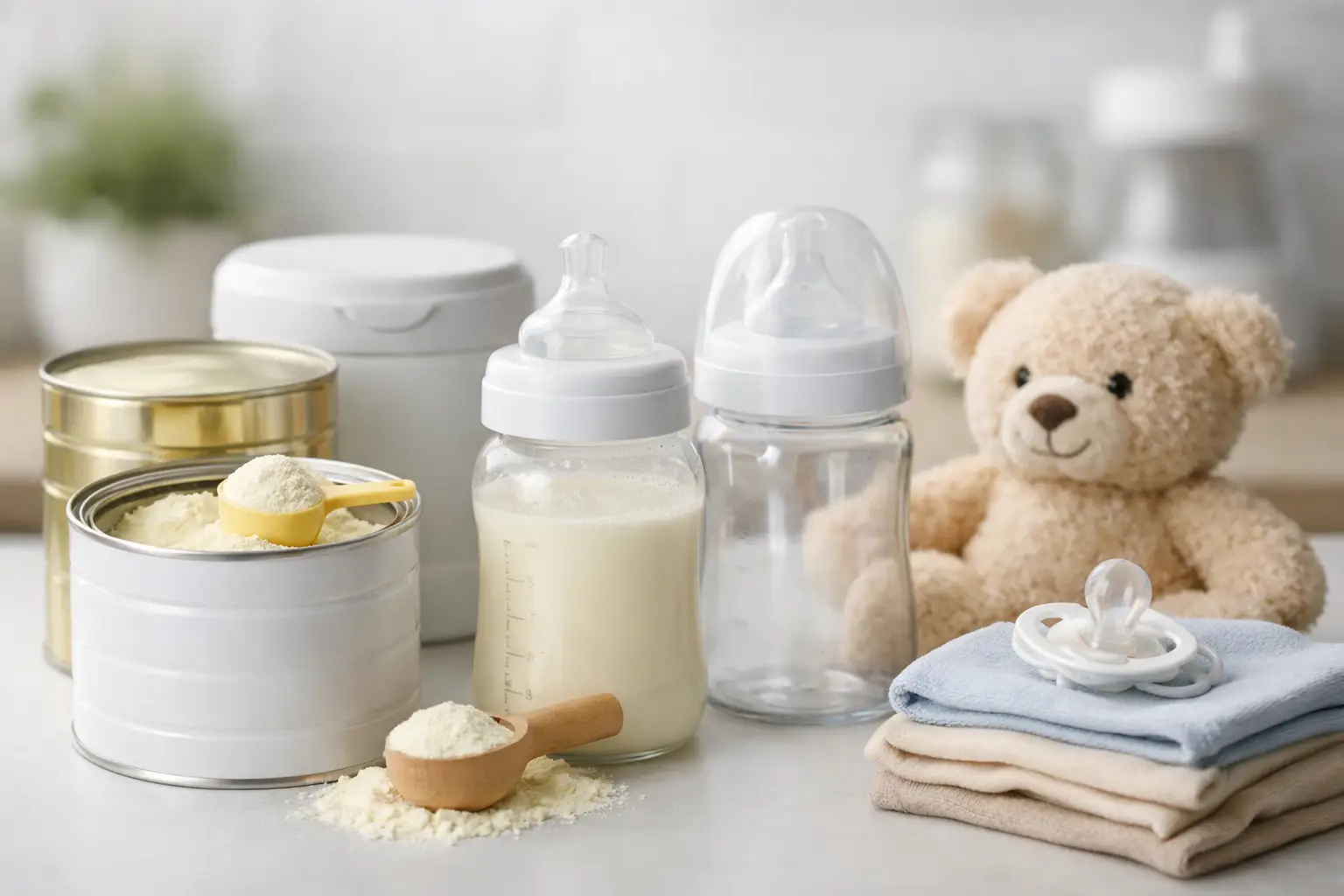
Feeding essentials depend on how you plan to feed your baby, but a few basics are common. Burp cloths, bibs, and gentle dishwashing liquid for cleaning bottles or pump parts are useful in almost every home. If you are bottle feeding, you need bottles, nipples with appropriate flow, and a bottle brush. If you are breastfeeding, you may still want a few bottles for flexibility, plus nursing pads and storage bags if pumping is part of the routine.
For bathing, keep it simple. A mild baby wash, baby shampoo if needed, a soft towel, and washcloths usually cover the basics. Many babies do not need a large collection of bath products. In fact, too many scented or specialty items can be less practical than one gentle cleanser that works well.
Sleep products matter too, but this is where parents often overbuy. A safe sleep space is essential. Extra fitted sheets are practical because accidents happen. Wearable blankets or sleep sacks can also be useful, depending on room temperature and your baby’s age. What you do not necessarily need is a large stack of decorative bedding, which often adds more laundry than value.
The must-have diapering products that earn their place
If one category deserves a little extra planning, it is diapering. This is the highest-use area for most families in the early months, which makes convenience and quantity more important than trendy add-ons.
A smart diapering setup usually includes diapers, wipes, rash cream, a changing mat or changing pad liners, and a way to dispose of used diapers. Some families like a dedicated diaper pail. Others are fine with small trash bags emptied often. The right choice depends on your space and how much convenience you want built into the routine.
A diaper caddy is helpful if you move between rooms, but it is not essential for every household. If your home is small, one organized station may be enough. If you live in a multi-level home, having diaper supplies on each floor saves time and effort.
This is also one area where bulk buying can help, but with a limit. Stocking too many diapers in one size can backfire because babies grow quickly. Wipes, on the other hand, are usually safer to buy in larger quantities because they stay useful longer.
Feeding products: what is essential and what depends
Feeding is where the phrase must have gets complicated, because the right products depend heavily on your routine. There is no one list that fits every family.
If you are exclusively breastfeeding, your true must-haves may be fewer than expected. Nursing pads, burp cloths, nipple cream, and a comfortable feeding pillow can make daily life easier. A breast pump may be essential for one parent and rarely used by another. The same goes for milk storage bags and sterilizing equipment.
If you are formula feeding, then formula itself, bottles, spare nipples, and a reliable cleaning routine are must-haves. Ready-to-feed products can be convenient in the early weeks or while traveling, but powdered formula may be more cost-effective for regular use. The balance comes down to budget, convenience, and what your baby tolerates well.
Mixed feeding households usually need the broadest setup, since they combine products from both routines. In that case, keeping your feeding supplies streamlined matters. A few well-used items beat a drawer full of extras that do not match your baby’s preferences.
Which baby products are must haves for going out?
Leaving the house with a baby does not require carrying your entire nursery, but a few products make outings far more manageable.
A diaper bag is useful, though it does not have to be large or expensive. What matters is organization. You need room for diapers, wipes, one change of clothes, feeding supplies, and a small pouch for creams or medicines. If the bag has insulated compartments, that can help, but it is a convenience feature, not a requirement.
A stroller can be a must-have or a nice-to-have depending on your lifestyle. If you walk often, shop with your baby, or need hands-free transport, it earns its place quickly. If you mostly drive and carry the baby in an infant car seat, you may be able to delay the stroller decision.
A properly fitted car seat is non-negotiable for families traveling by car. This is not the place to cut corners. The exact model depends on your vehicle, baby’s size, and how long you want to use it before upgrading.
Portable diaper change mats, travel-size wipes, and on-the-go feeding accessories are useful because they reduce friction outside the home. The more often you go out, the more these small practical items start to feel essential.
Products many parents buy too early
One reason parents keep asking which baby products are must haves is that stores and gift lists often mix essentials with optional items. That can make everything feel urgent when it is not.
Large quantities of newborn clothes are a common example. Babies outgrow them quickly, and laundry happens often anyway. It is better to have enough basics for rotation than a packed wardrobe of sizes your baby may skip through in weeks.
Another common overbuy is specialty grooming gear. A baby nail clipper or file, a soft brush, and basic baby lotion are often enough. You usually do not need a full drawer of niche tools at the start.
Bottle warmers, wipe warmers, multiple pacifier styles, and heavily branded feeding gadgets can fall into the try-later category. Some parents love them. Some barely use them. If your budget is tight or your storage is limited, it makes sense to start with the basics and add only after a real need shows up.
How to build a practical baby shopping list
The easiest way to shop well is to think in terms of weekly use, not wish-list appeal. Ask yourself what will need frequent replenishment, what supports health and hygiene, and what solves a recurring task.
Start with consumables first. Diapers, wipes, rash cream, baby wash, formula if needed, and laundry products made for your baby’s skin sensitivity usually deserve priority. Then add the hard goods that support those routines, like bottles, burp cloths, fitted sheets, and a diaper bag.
After that, think about your home and schedule. Families in smaller apartments may want compact products and fewer duplicates. Families with longer workdays may value convenience items more because they reduce daily effort. Price matters too. A cheaper product that works consistently is often more useful than a premium item that does not fit your routine.
For one-stop convenience, many parents prefer ordering baby care alongside household basics, pharmacy items, and everyday groceries instead of splitting purchases across several stores. That is often the easiest way to stay stocked without turning every refill into a separate errand.
The real must-haves are the ones you replace
A useful baby product is not the one that looks best on a registry. It is the one that keeps daily care moving without stress. That usually means diapers, wipes, feeding basics, bath essentials, simple sleep items, and a few practical products for getting out of the house.
Everything else depends on your baby, your budget, and your routine. Start with what supports everyday care, buy enough to avoid running out, and let real usage guide the rest. The best baby setup is not the biggest one. It is the one that works on ordinary days.