Running out of oil when dinner is already on the stove is usually when people ask, what grocery items should I stock? The best answer is not a giant warehouse-style list. It is a smart, repeatable mix of staples you actually use, with enough variety to cover daily meals, quick snacks, basic cleaning, and those last-minute household needs.
What grocery items should I stock first?
Start with the products that save the most trips and fit the most meals. For most homes, that means pantry basics, refrigerated essentials, a few freezer items, snacks, drinks, and non-food household supplies. If you shop this way, your cart works harder because one order covers breakfast, lunch, dinner, and everyday upkeep.
The key is to stock by use, not by category alone. Rice is not just a pantry item. It is a weeknight dinner backup. Eggs are breakfast, baking, and a quick protein. Dish soap is not exciting, but it is as necessary as flour. Practical shopping starts with what keeps the home running.
Build your stock list around real meals
A good grocery setup should help you make simple meals without needing a store run every other day. That usually starts with grains and carbs such as rice, pasta, flour, bread, and cereal. If your household eats flatbreads, wraps, oats, or noodles regularly, those belong on the list too.
Next comes protein. Eggs, milk, yogurt, cheese, lentils, beans, chicken, frozen nuggets, canned tuna, and peanut butter all solve different needs. Some are for full meals, some are for school lunches, and some are for quick fixes when nobody wants to cook from scratch.
Then come cooking essentials. Cooking oil, salt, sugar, black pepper, red chili powder, turmeric, cumin, garlic, onion, ginger paste, ketchup, mayonnaise, soy sauce, tea, and coffee are not glamorous purchases, but they are what make meals possible and keep the kitchen functional.
Fresh produce matters too, but this is where balance matters. Stock onions, potatoes, tomatoes, lemons, bananas, and a few greens you know your household will finish. Buying too much fresh produce sounds healthy but often turns into waste. A better approach is buying a smaller fresh mix and backing it up with frozen vegetables and shelf-stable basics.
Pantry items worth keeping on hand
If you want fewer emergency orders, the pantry is where to get organized. Dry goods give you flexibility and usually last longer, so they are the easiest place to build a dependable stock.
Keep a core set of meal builders. Rice, pasta, lentils, canned tomatoes, canned beans, flour, crackers, oats, soup, and noodles cover a wide range of meals. If you bake even occasionally, baking powder, yeast, cocoa powder, and vanilla can save you from an extra shopping trip.
It also helps to stock convenience foods you will genuinely use. Breakfast bars, instant oatmeal, ready-to-cook noodles, boxed juice, biscuits, and peanut butter are useful if mornings are rushed or kids need quick options. Convenience items are not a bad buy if they prevent takeout or repeated small orders.
This is where price and household habits matter. A larger pack of rice or flour usually makes sense. A large box of specialty cereal that only one person likes may not. Stocking well is not about buying more. It is about buying the right repeat items in the right size.
Fridge and freezer basics that pull their weight
Your refrigerator should hold products with multiple uses, not just random add-ons. Eggs, milk, butter, yogurt, cheese slices, fresh fruit, and a few sauces usually earn their place because they move quickly and fit different meals.
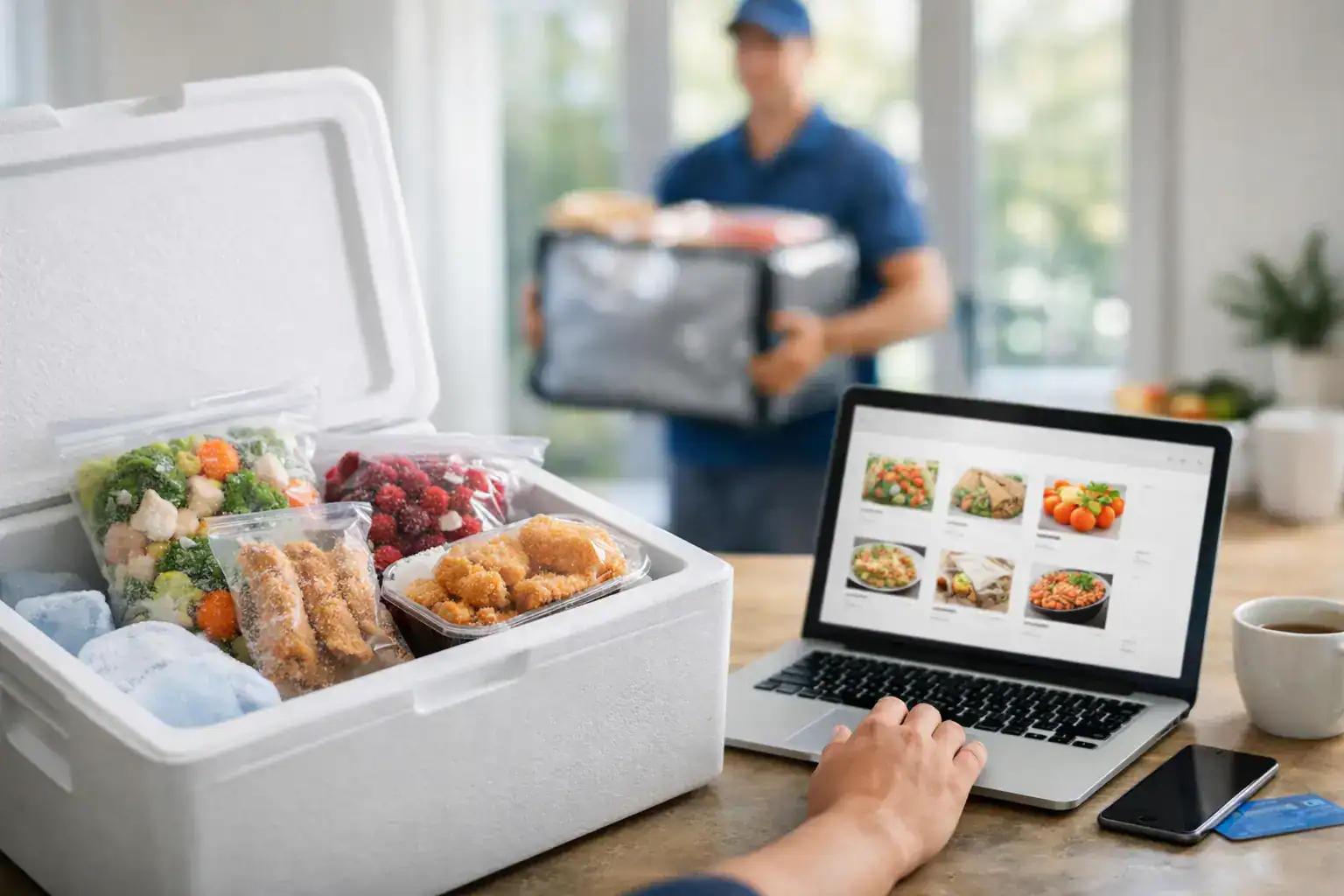
For the freezer, think backup plan. Frozen vegetables, frozen chicken, kebabs, nuggets, fries, parathas, and ice cream all serve different purposes. Some are practical family basics, some are convenience buys, and some are comfort items. A stocked freezer reduces the need for urgent ordering when schedules get busy.
Trade-offs matter here. Frozen foods are convenient and reduce waste, but if your household prefers cooking fresh daily, you may not need a large frozen section. On the other hand, for working adults or families with children, freezer items often make everyday meal planning much easier.
Don’t forget snacks, beverages, and fill-in items
A realistic home stock list includes the things people reach for between meals. Chips, biscuits, chocolate, candy, nuts, popcorn, and packaged cakes are common basket items because they disappear quickly and are easy to overlook until they are gone.
Beverages should also be planned, not treated as extras. Water, tea, coffee, juice, soft drinks, powdered drink mixes, and milk-based drinks often get consumed faster than expected, especially in family households or when guests visit.
These categories are also where budget can drift. The fix is simple. Keep a few dependable snack and beverage options instead of buying every impulse item each time. That gives you variety without turning one routine order into a cart full of non-essentials.
Household and personal care items belong on the same list
If you are asking what grocery items should I stock, the answer should go beyond food. Most households need a combined restock approach because running out of detergent is just as disruptive as running out of bread.
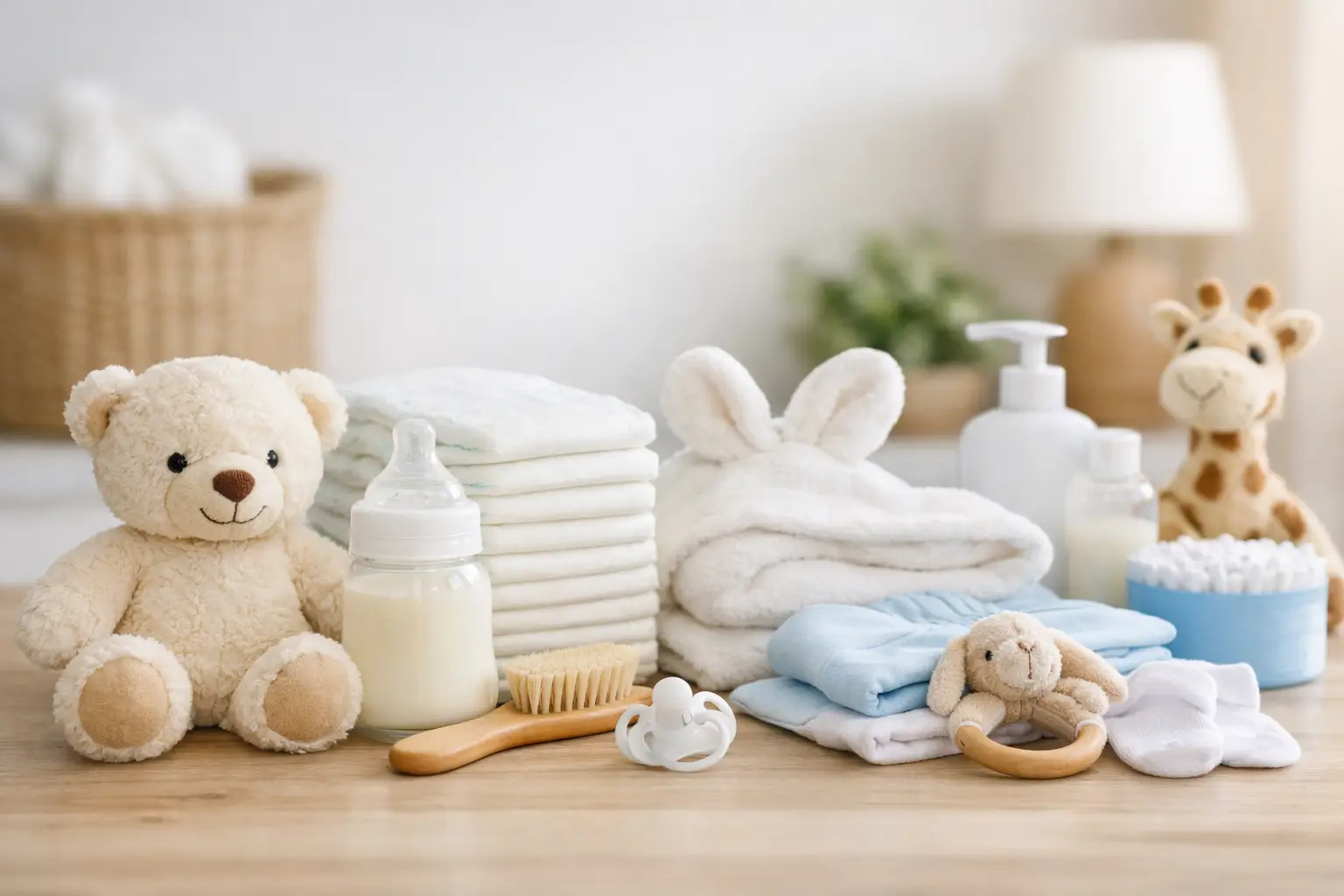
Make room in your regular cart for dishwashing liquid, laundry detergent, toilet paper, tissues, trash bags, surface cleaner, sponges, soap, shampoo, toothpaste, and sanitary products. If you have children, diapers, wipes, baby lotion, and baby wash may be weekly or monthly essentials. If you have pets, food and litter should be part of the same planning cycle.
This is where a one-stop shopping approach helps. Ordering groceries and household basics together saves time and helps avoid forgotten necessities. For shoppers who prefer a practical reorder routine, Ajwa Super Mart makes that easier by covering daily-use products across food, home care, baby care, pharmacy, and personal care in one place.
How much should you actually keep at home?
There is no perfect number because it depends on household size, storage space, budget, and how often you order. A single person in a small apartment does not need the same stock level as a family of five. A home that cooks daily needs more raw ingredients. A home that relies on quick meals may need more ready-to-cook and frozen items.
A useful rule is to keep one working pack and one backup pack of your fastest-moving essentials. That can mean one bottle of cooking oil in use and one unopened bottle, or one pack of pasta in the pantry and one extra. This method prevents shortages without overloading your shelves.
For perishables, buy based on a shorter time frame. A few days of produce and dairy is often enough unless you are shopping less frequently. For shelf-stable and freezer items, a longer buffer makes sense because they last longer and support meal flexibility.
What grocery items should I stock on a budget?
Budget stocking works best when you separate staples from extras. Staples are items that build meals and solve everyday needs. Extras are products you enjoy but can skip or rotate based on price.
Low-cost staples usually include rice, flour, eggs, lentils, pasta, potatoes, onions, milk, bread, tea, sugar, cooking oil, and basic cleaning products. These create the foundation of a practical home stock. Once those are covered, you can add snacks, beverages, frozen foods, or specialty items depending on promotions and room in the budget.
It also helps to pay attention to purchase cycles. Some products are worth buying in larger sizes when discounted, especially detergent, tissues, diapers, canned foods, and pantry staples. Others are better bought in smaller amounts, especially fresh produce and products your household uses inconsistently.
A simple way to keep your home stocked without overbuying
The easiest system is to restock in layers. First, replace your must-haves. Second, add meal ingredients for the next several days. Third, fill in snacks, drinks, and household goods. This keeps your order focused and reduces random overspending.
You can also track your repeat items mentally or in a short phone note. The goal is not to build a complicated inventory system. It is simply to notice what disappears every week, what lasts all month, and what keeps expiring before anyone uses it.
A well-stocked home does not look the same for everyone. The right mix is the one that matches your routine, your budget, and the products your household actually reaches for. If your cart helps you cook, clean, pack lunches, handle guests, and avoid unnecessary store runs, you are stocking the right way. Keep it practical, shop for real use, and let convenience do its job.