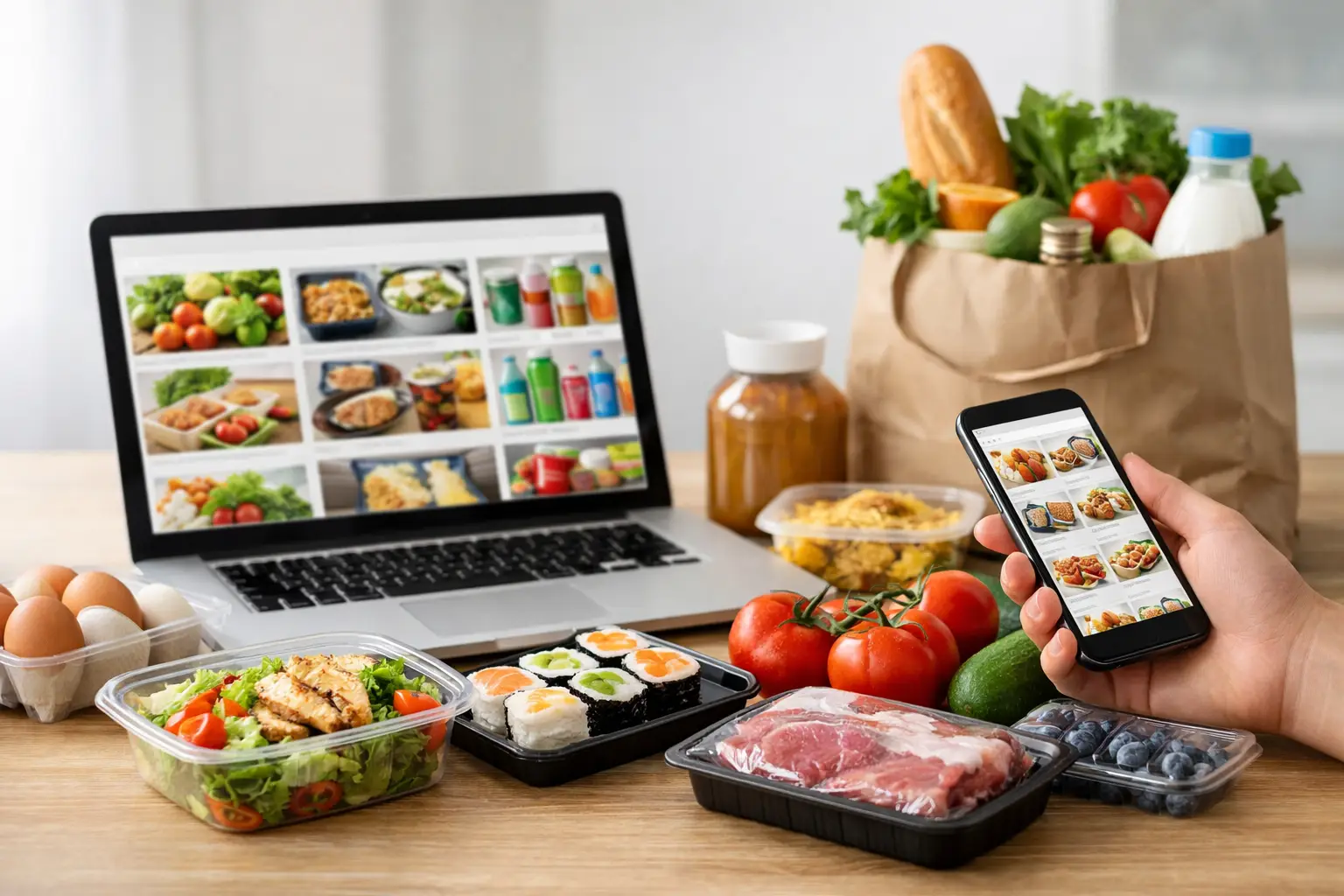
When a shopping cart includes rice, toothpaste, baby wipes, dish soap, frozen paratha, and pet food, the real question is not what to buy. It is how fast you can find it. That is where online supermarket categories matter. A well-organized store helps you move from weekly restocking to last-minute household needs without opening five different tabs or placing separate orders.
For most households, online grocery shopping is not a one-category task. It is a mixed basket. You start with kitchen staples, then remember shampoo, tissues, medicine, biscuits for school lunch, and batteries you forgot to pick up last week. Good category structure turns that routine into a practical, manageable process. It saves time, reduces missed items, and makes repeat shopping easier.
Why online supermarket categories matter
The value of online supermarket categories is simple. They help shoppers get to products faster and help stores present everyday items in a way that matches how people actually shop. Most people do not think in terms of departments. They think in terms of needs – breakfast for the week, cleaning supplies for the house, diapers for the baby, or a quick refill of pain relief and soap.
If categories are too broad, shoppers waste time filtering through unrelated products. If categories are too narrow, browsing starts to feel slow and fragmented. The best setup sits in the middle. It gives enough structure to guide shopping without making every purchase feel like a search project.
This also affects basket size. When categories are clear, shoppers are more likely to add complementary products. Someone buying tea may also pick up sugar and biscuits. Someone restocking laundry detergent may remember fabric softener, stain remover, or air freshener. That is not about pushing random items. It is about making routine purchases easier to complete in one order.
The main online supermarket categories shoppers use most
Most online supermarkets are built around core household demand. These are the categories that carry repeat purchases and drive regular visits.
Grocery and pantry staples
This is usually the starting point for any order. Flour, rice, lentils, cooking oil, spices, sugar, salt, tea, sauces, canned goods, and breakfast items all fall into this group. These products are high-frequency purchases, and shoppers often know exactly what they need.
What matters here is clarity. Subcategories like staples, baking needs, breakfast foods, and condiments make the experience faster than one long grocery page. Brand choice matters too, but only after shoppers can quickly get to the right aisle.
Beverages and snacks
This category does more work than it first appears. It covers everyday tea and coffee, bottled drinks, juices, energy drinks, and family staples like biscuits, chips, chocolates, and confectionery. Some purchases are planned, while others are impulse adds.
That mix is useful. A shopper buying milk powder may also add cookies. A person ordering soft drinks for guests may also pick up chips and disposable cups. Strong beverage and snack categories support both routine use and quick fill-in shopping.
Personal care and hygiene
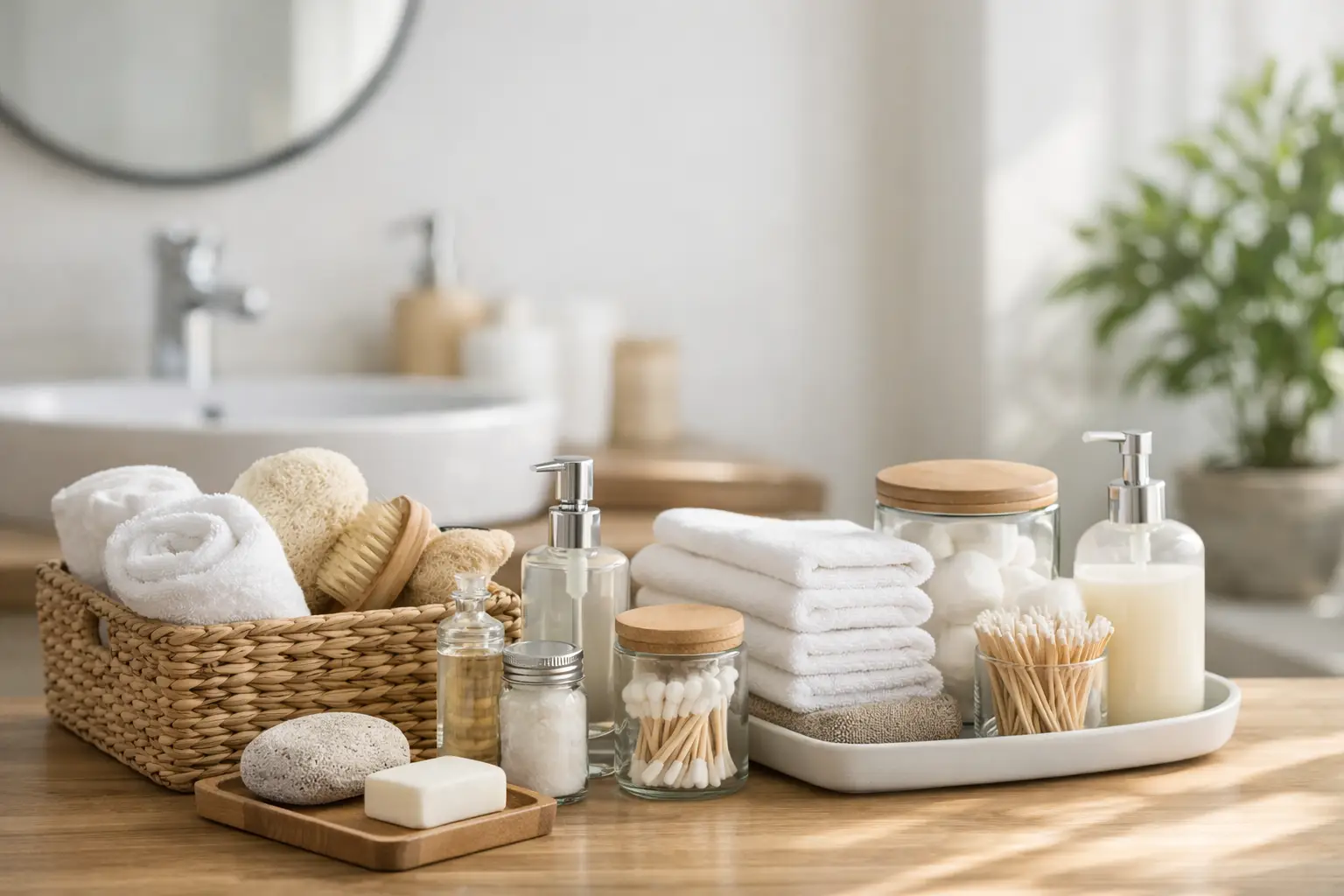
Soap, shampoo, toothpaste, deodorant, shaving products, sanitary care, skin care, and grooming essentials are all regular household buys. These items are often brand-loyal purchases, which means shoppers want direct paths to them.
A good category layout reduces friction. If personal care is easy to browse, customers can quickly restock daily-use items without hunting through unrelated beauty or wellness pages.
Home care and cleaning
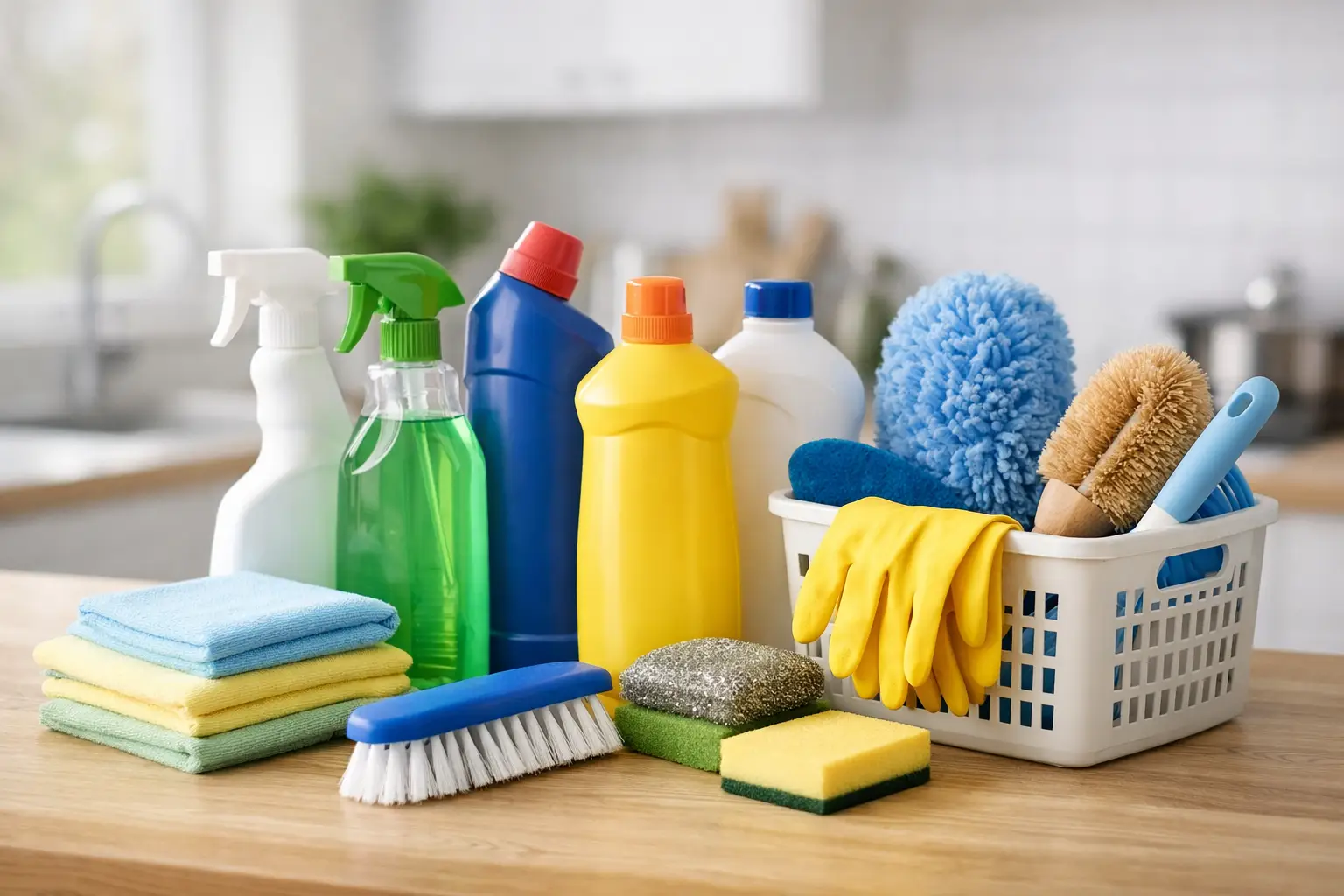
This category is one of the clearest examples of why online structure matters. Dishwashing liquid, laundry detergent, floor cleaner, toilet cleaner, trash bags, paper products, and surface sprays are not exciting purchases, but they are necessary ones.
Shoppers often buy these in bulk or as part of scheduled home maintenance. When home care is clearly organized, it becomes easier to build a practical order that covers the full week or month.
Family-focused categories make a one-stop store more useful
A strong online supermarket does more than sell food. It covers the recurring needs that send families to multiple stores in the first place.
Baby care
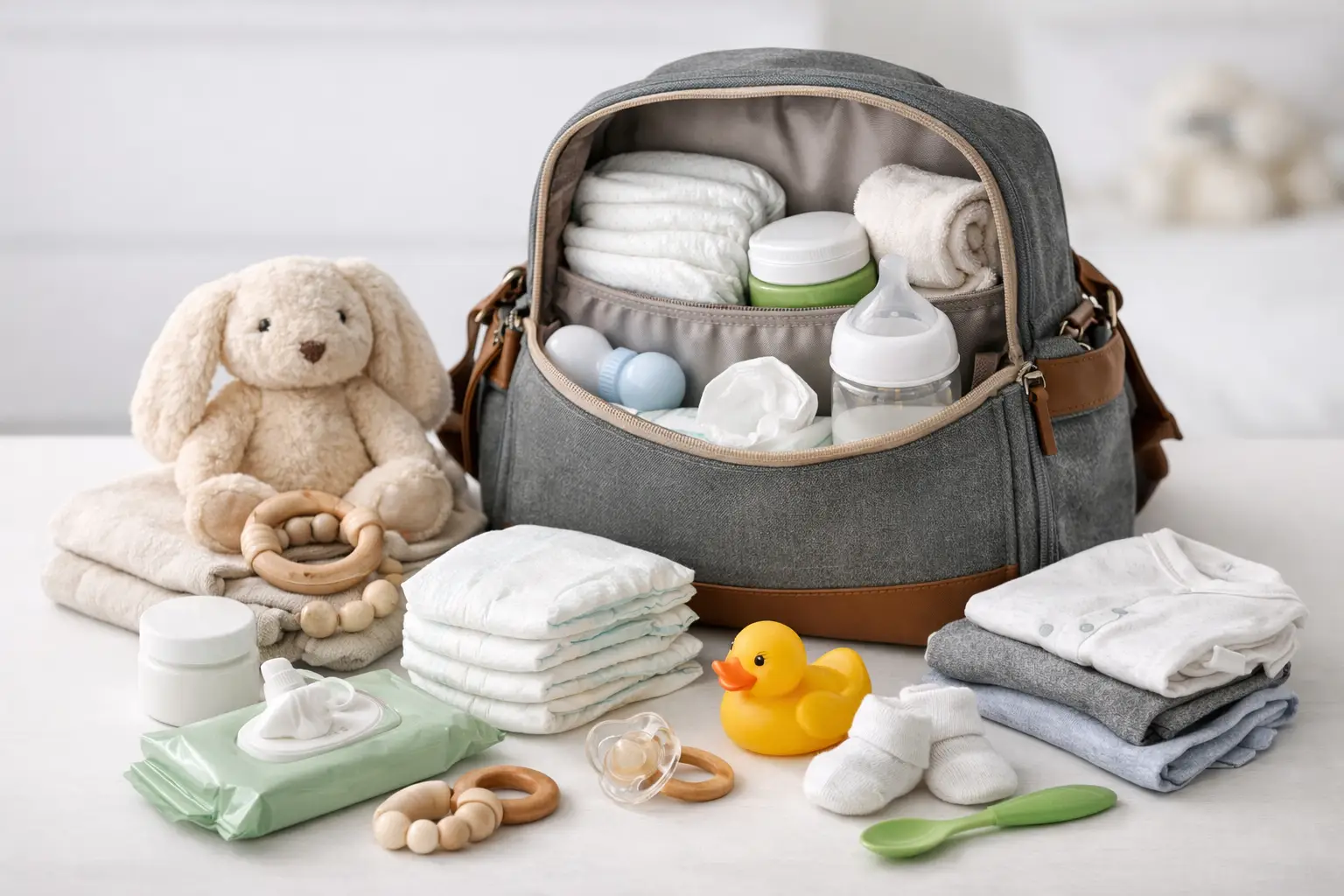
Baby products are urgency-driven. Diapers, wipes, baby lotion, baby shampoo, feeding accessories, and formula are not items parents want to delay. A dedicated baby care category helps shoppers avoid unnecessary searching when they need fast replenishment.
This category also benefits from clear product grouping by use. A parent shopping for newborn care has different needs than someone restocking toddler snacks or diaper sizes. The better the structure, the easier it is to complete the order in one go.
Pharmacy and health essentials
Online supermarket categories often include pharmacy and basic health products such as pain relief, cold and flu support, first-aid items, supplements, and hygiene essentials. This is one of the most practical additions to a general merchandise store.
It helps shoppers combine routine grocery buying with small but important health needs. The trade-off is that this category has to be easy to trust. Product names, pack sizes, and intended use should be straightforward so shoppers can buy confidently.
Pet supplies, stationery, and toys
These categories may not drive every order, but they increase the usefulness of the store. Pet food, litter, pens, notebooks, school basics, and simple toys are often fill-in purchases that people remember late.
That is exactly why they matter. They save an extra trip. For households managing school, kids, and pets, these smaller categories add real convenience when included alongside groceries and home care.
How shoppers actually move through online supermarket categories
People do not always shop in a neat top-to-bottom pattern. Some arrive with a list. Others start with one urgent product and build the basket as they go. A practical category setup supports both habits.
List-based shoppers want speed. They look for obvious parent categories, familiar subcategories, and clear product images. Browsing-led shoppers want prompts that feel relevant, such as featured promotions, popular products, and category sections that help them remember what they still need.
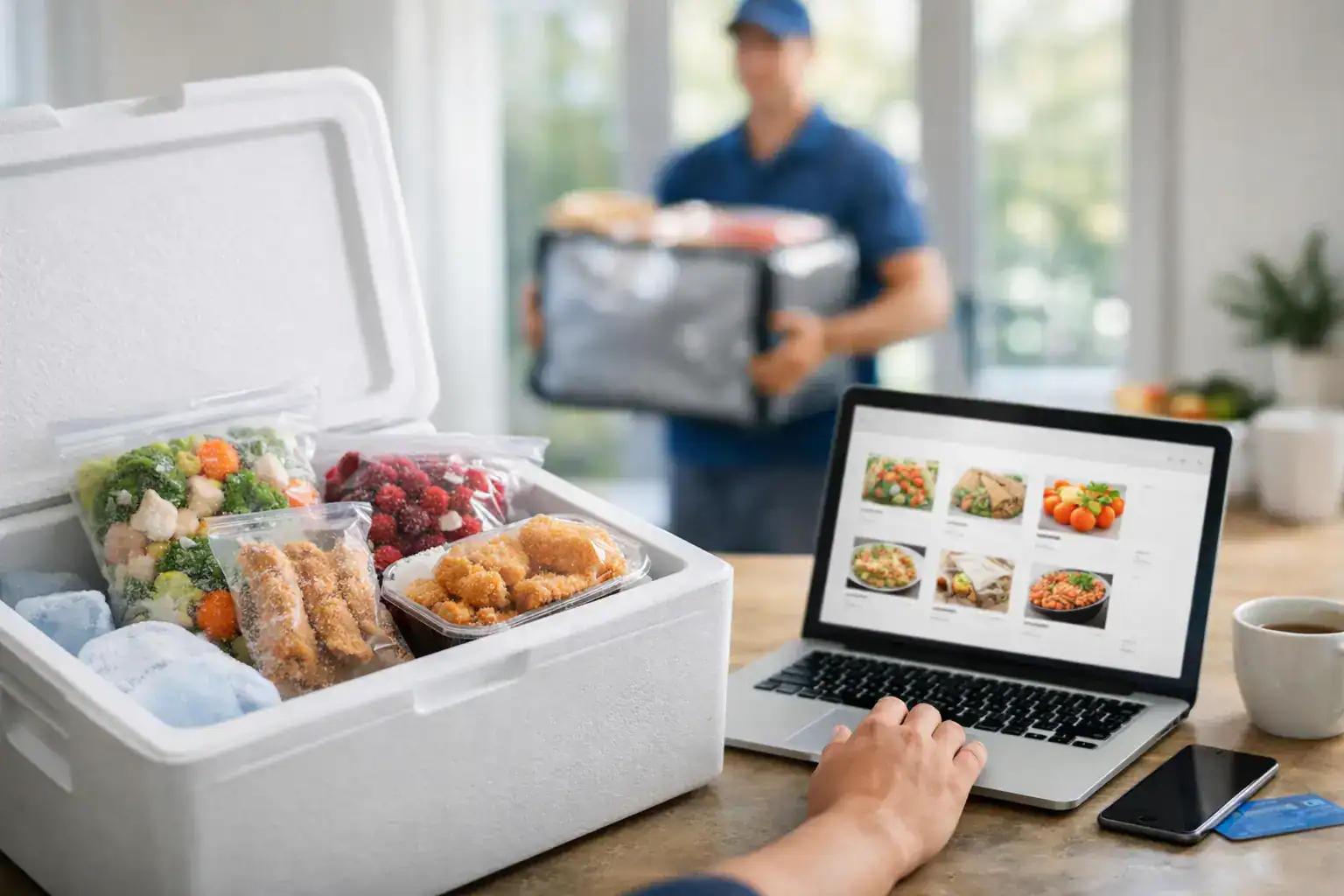
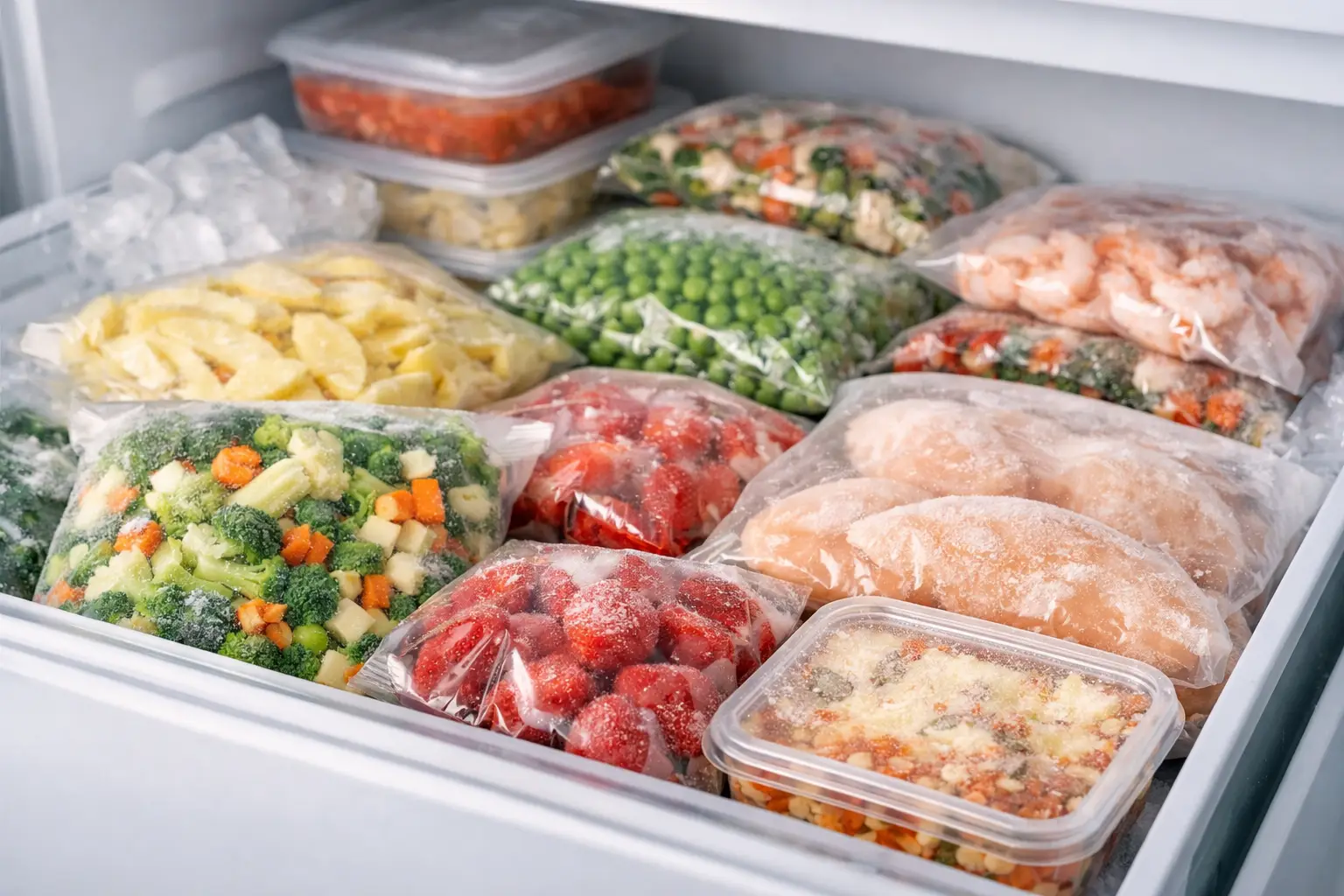
This is where an online supermarket can either reduce friction or add it. If frozen foods are buried, if pharmacy is separated awkwardly, or if household basics are hard to locate, shoppers slow down. If categories reflect real-life buying patterns, checkout feels much faster.
What makes online supermarket categories work better
The best category design is practical, not clever. Shoppers should not have to guess where to find a product. Everyday items need familiar labels, clean grouping, and enough depth to support a full basket.
Search still matters, of course. Many repeat customers search directly for brands or products they buy every month. But categories remain the backbone of discovery and reminder shopping. They help people complete the order beyond the one item they came for.
Promotions also work better inside a clear category structure. Discounts on cooking oil, snacks, detergents, or baby wipes are more useful when placed where shoppers already expect to browse. Sale pricing gets attention, but category placement helps convert that attention into actual cart additions.
For a broad household store like Ajwa Super Mart, category breadth is part of the value. The point is not just to offer more products. It is to make daily-use products for every home easy to find in one place, whether the shopper needs groceries, cleaning supplies, personal care, frozen items, or small household extras.
The trade-off between category breadth and shopping speed
More categories can improve convenience, but only if navigation stays clear. A large catalog is useful when it helps shoppers combine purchases. It becomes less useful if too many layers slow the process down.
That is why balance matters. A store should offer enough range to cover routine needs, impulse buys, and occasional extras without overwhelming the customer. Broad coverage works best when core categories stay prominent and niche categories remain easy to reach.
For most households, the ideal online supermarket is not the one with the most products on paper. It is the one where the path from search to cart feels short. If the categories are built around how people restock a home, shopping becomes less of a chore and more of a quick task you can finish before moving on with the day.
The easiest order is usually the one that lets you remember one more thing before checkout – and still find it fast.