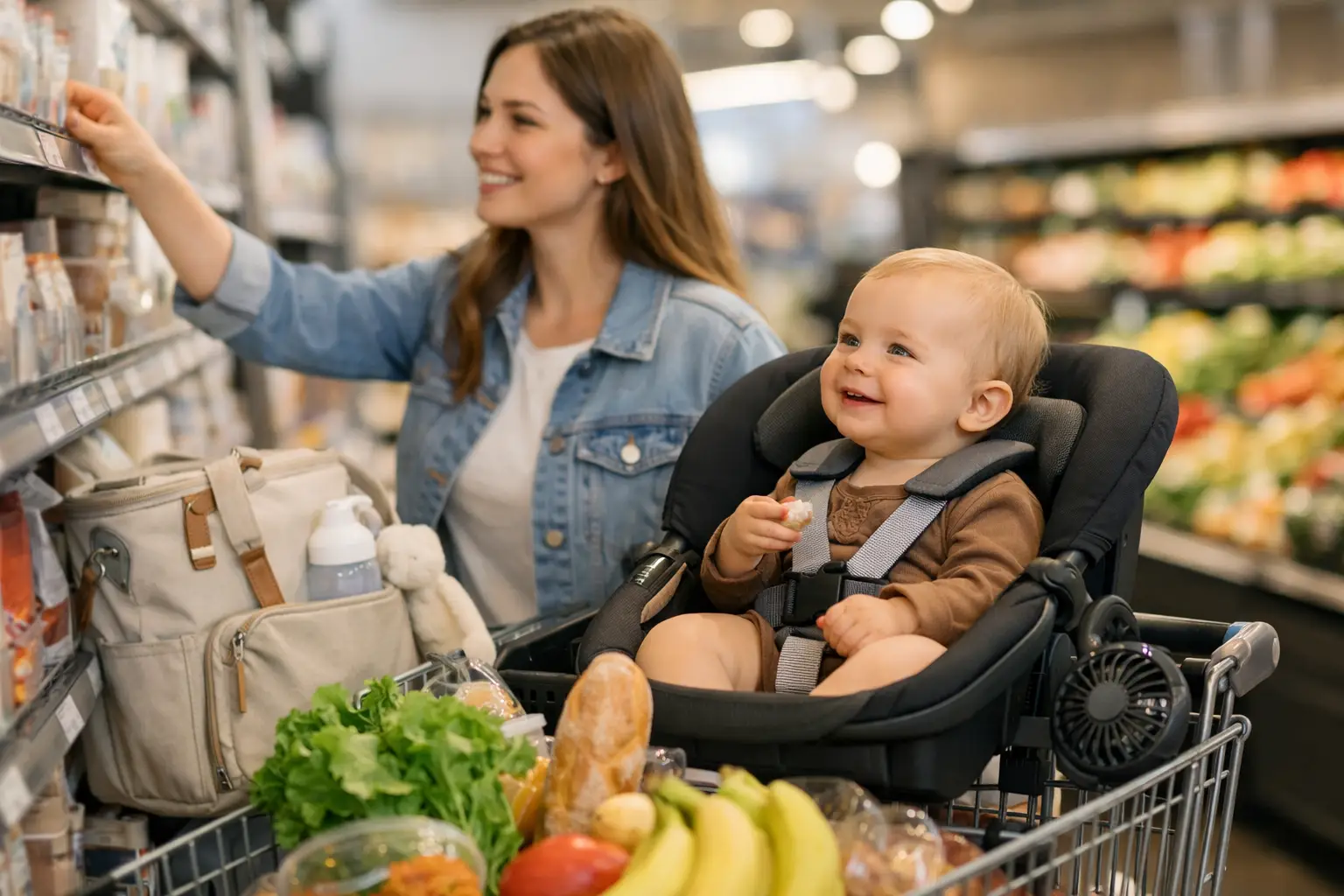
Running out of diapers at 10 p.m. is usually how parents learn the real value of keeping baby products stocked before they become urgent. The challenge is not just buying for a baby. It is buying the right essentials, in the right sizes, and often enough to avoid last-minute trips and half-complete shopping baskets.
That is why most parents do better with a practical approach. Instead of treating baby shopping as a one-time purchase, it helps to think in categories you will refill again and again. Daily care, feeding, hygiene, and cleanup all move at different speeds, and some items matter more than others depending on your baby’s age, skin sensitivity, and routine.
How to shop baby products without overbuying
The easiest mistake is buying too much of one item because it seems useful in the moment. Babies grow quickly, skin needs can change, and even a trusted product may not suit every stage. A smart basket starts with repeat-use basics and leaves room for adjustment.
For most households, the highest-priority baby products are the ones tied to everyday use. Diapers, wipes, diaper rash cream, gentle soap, shampoo, lotion, feeding supplies, and laundry-friendly cleaning items tend to move fast. These are not occasional purchases. They are restock items.
It also helps to separate must-haves from nice-to-haves. A must-have solves a daily need. A nice-to-have may save time or add comfort, but it is not what causes stress if you run out. That difference matters when you are trying to place one efficient order instead of filling your cart with extras.
Baby products by category: what most homes actually use
A broad baby section can feel overwhelming, especially when every label promises softness, protection, or convenience. The simpler way to shop is by routine.
Diapering and changing essentials
This is usually the fastest-moving category in any baby care basket. Diapers are the obvious item, but wipes are just as essential, and many parents underestimate how quickly both are used. If your baby has sensitive skin, fragrance-free or extra-gentle options may be worth prioritizing even if they cost a little more.
Diaper rash cream is another product better bought before you need it. Some babies rarely need it, while others react quickly to heat, moisture, or a missed change. Keeping one tube at home can save a lot of discomfort and a rushed reorder.
Disposable changing accessories and cotton products can also be useful, but their value depends on your routine. If you change diapers mostly at home, you may need fewer on-the-go add-ons. If you are often outside, convenience matters more.
Bath and skin care
Baby skin care is one area where simpler is often better. A mild baby wash, gentle shampoo, lotion, and possibly oil usually cover the basics. More products do not always mean better care. In fact, if your baby has dry or reactive skin, using fewer, gentler items can be the better option.
This is also where trade-offs show up. Scented products may smell pleasant, but unscented or mild formulas are often safer for babies with sensitive skin. Thick creams may work well in dry weather, while lighter lotions may be enough in warmer months. What works in one season may not be ideal in another.
Bath-time accessories matter too, but not all at once. Towels, washcloths, and soft cleansing items are practical purchases because they are used repeatedly. The best picks are usually the easiest to wash, store, and replace.
Feeding supplies
Feeding needs change fast in the first year, so this category benefits from flexibility. Bottles, nipples, bottle-cleaning tools, bibs, burp cloths, and storage-friendly feeding accessories are common essentials. If formula is part of your household routine, it becomes a priority restock item just like diapers.
Parents often do not need every feeding tool available. Some babies take to one bottle type easily, while others are picky. Some bibs look useful but sit unused, while burp cloths disappear into laundry cycles at high speed. If you are building a practical basket, start with what supports daily feeding and cleanup first.
As babies grow, spoons, small bowls, and easy-clean feeding accessories start to matter more. At that stage, durability and washability matter more than appearance. Products that simplify mealtime cleanup usually deliver better everyday value than products that simply look cute.
Cleaning and laundry support
Baby care does not stop at the product used on the baby. It extends to everything that touches their clothes, bedding, bottles, and skin. That is why cleaning products matter more than some shoppers expect.
A baby-friendly laundry detergent or mild cleaning solution can be useful if your child has skin sensitivity. At the same time, not every family needs a separate detergent forever. Sometimes a gentle household product works well for everyone. It depends on your baby’s skin, your doctor’s advice, and how your home already handles laundry.
Bottle-cleaning brushes, soft sponges, and reliable dishwashing support are also part of the baby routine. These may not sit inside the baby care section every time, but they belong in the same order if they help keep feeding supplies clean and ready.
What matters most when choosing baby products
Price matters, but not in isolation. The cheapest option is not always the best buy if it causes leaks, irritation, or frequent replacements. At the same time, the most expensive option is not automatically better. Practical value comes from performance, comfort, and how often the product needs to be repurchased.
Size is another detail shoppers often revisit. Diapers, wipes packs, lotions, and feeding items come in different pack sizes, and each size serves a different purpose. Smaller packs can be smart for trial and first use. Larger packs often make more sense for products your household already trusts. This is especially true for items with steady weekly use.
Packaging also affects convenience. Pump bottles, resealable wipes packs, and easy-store refill sizes may not seem like a big deal at checkout, but they make daily routines easier. When a product is used several times a day, small design details start to matter.
Brand familiarity can help, but it should not be the only decision point. What works well for one baby may not suit another. If you are trying a new product type, it is often smarter to test one unit first before making it a repeat purchase.
Building one practical order for the whole home
One of the biggest advantages of shopping baby care through a general household store is that baby needs rarely happen on their own. Parents buying baby products are usually also buying tissues, soap, cleaning supplies, snacks, bottled water, personal care items, and pantry basics.
That is where one-order convenience makes a real difference. Instead of splitting your routine shopping across multiple stores, it is easier to restock baby essentials alongside household basics in the same cart. A parent running low on wipes may also need detergent, breakfast items, and pharmacy staples. Combining those purchases saves time and reduces repeat ordering.
For families managing weekly or biweekly restocks, this kind of shopping is less about browsing and more about keeping the home running. Ajwa Super Mart fits that routine by offering broad everyday coverage, so baby care can be purchased as part of a practical household order rather than as a separate errand.
When to reorder baby products
The best time to reorder is earlier than you think. Parents often wait until they are down to the last few diapers or the last refill of wipes, but that is when shopping becomes reactive. A more dependable rhythm is to reorder when you have enough left to cover a few days comfortably.
This matters even more for products with no easy substitute. Diapers, formula, wipes, baby wash, and rash cream are not items most households want to replace with whatever happens to be available at the last minute. Keeping a small buffer is usually more cost-effective than emergency buying.
You do not need a complex system. A simple repeat checklist is often enough. If a product is used every day, watch its remaining quantity before it becomes urgent. If a product is used occasionally, keep one backup and replace it after opening the spare.
A simpler way to shop for baby care
Good baby shopping is rarely about buying more. It is about buying the products that fit your child, your routine, and your household budget without creating extra trips or unnecessary clutter. Start with the basics you know you will use, test new items carefully, and build your basket around real daily needs rather than one-time appeal.
When baby products are easy to reorder with the rest of the home’s essentials, everyday care feels less rushed and a lot more manageable.