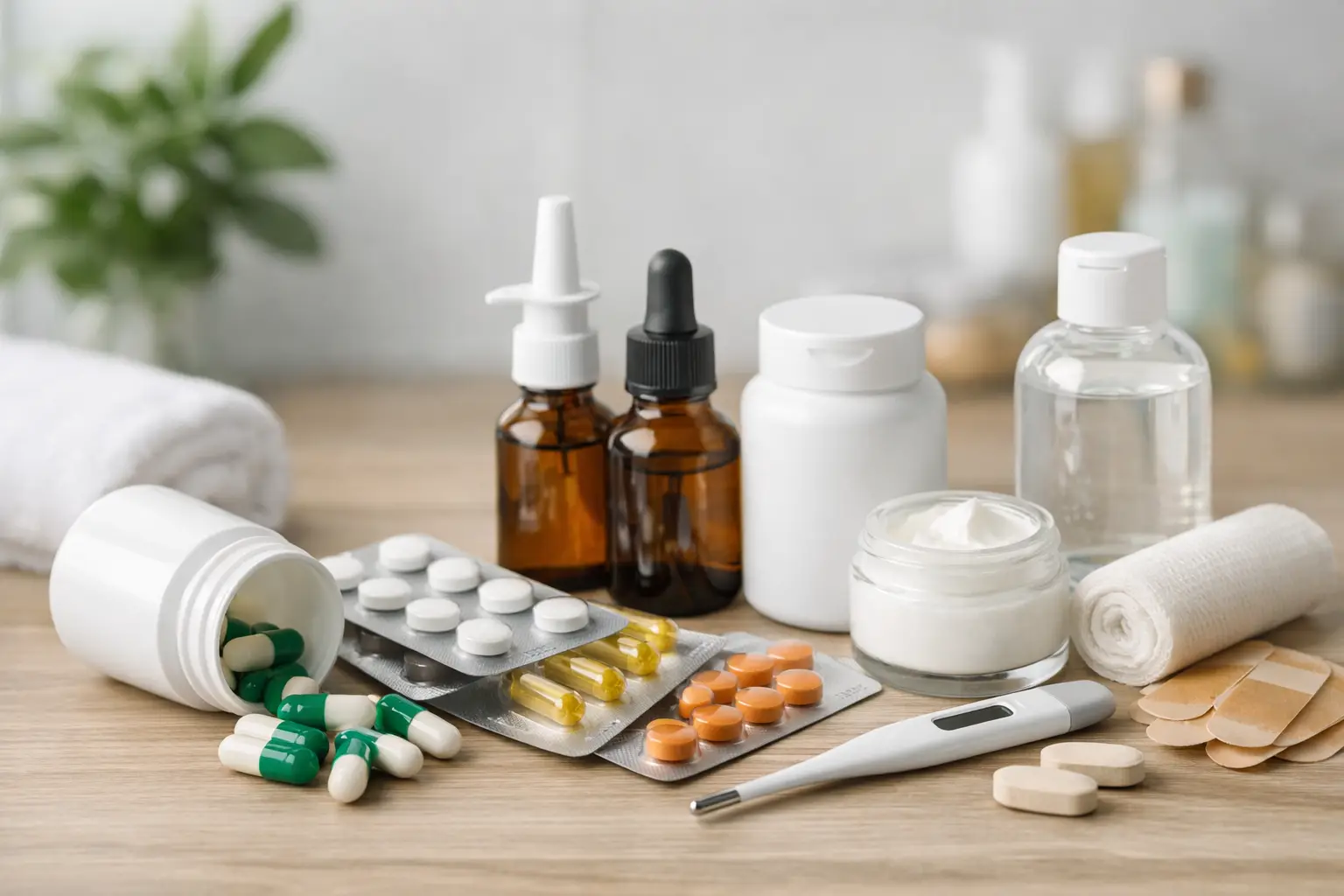
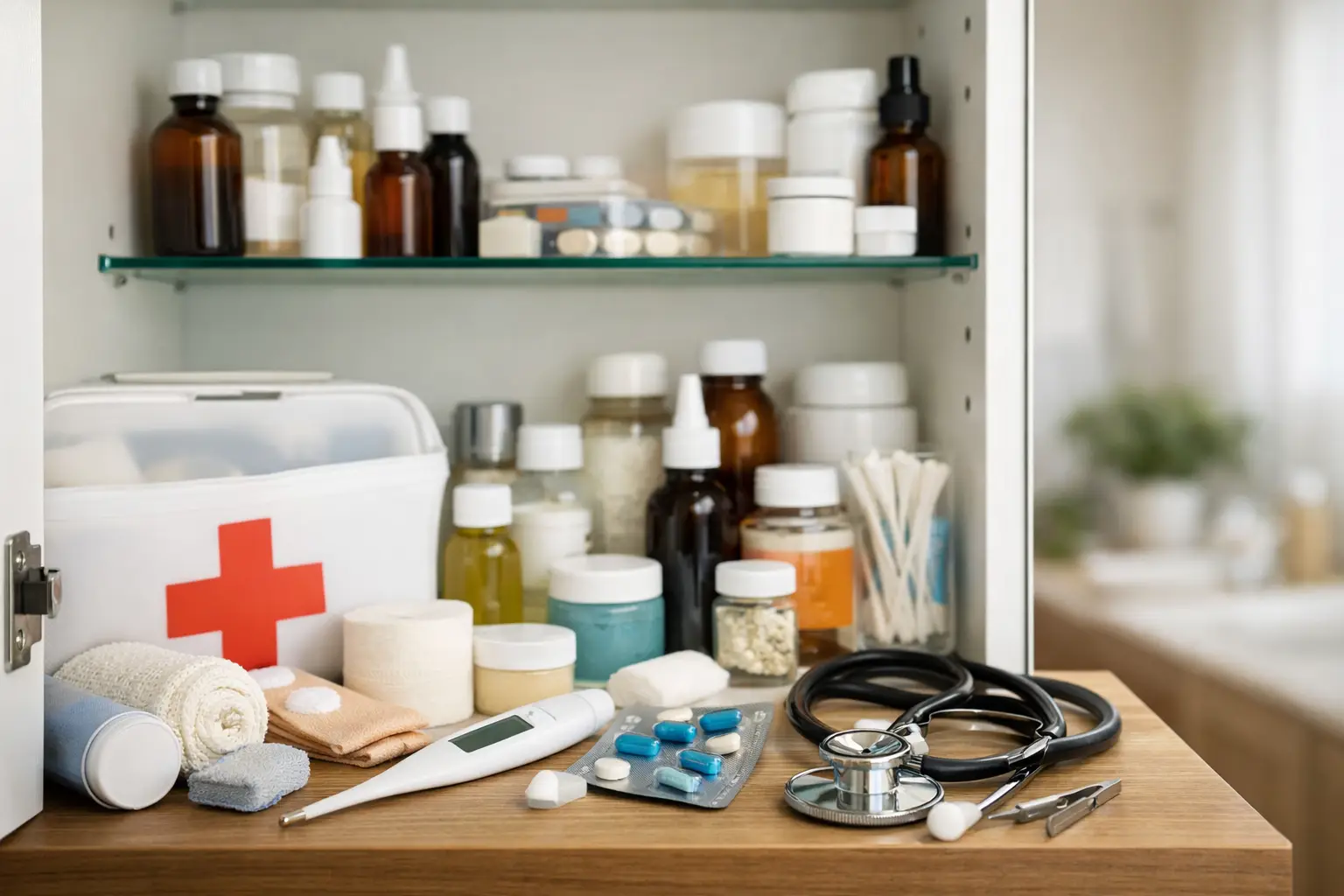
A missing thermometer usually becomes a problem at 11 p.m. A bandage shortage shows up right after a scraped knee. And the last dose of pain relief somehow disappears the day someone wakes up with a fever. That is why a family medicine cabinet guide matters – not as a nice extra, but as a practical way to keep everyday health items ready when your household actually needs them.
A well-stocked cabinet does not need to look like a mini pharmacy. It just needs to cover common situations, stay organized, and be easy for adults to check during regular household restocks. For most families, the goal is simple: keep basic care items on hand so small problems do not turn into late-night store runs.
What a family medicine cabinet guide should help you do
The best family medicine cabinet guide is not about buying everything at once. It is about stocking products your household is likely to use, in quantities that make sense, and storing them safely.
That means thinking in categories instead of random products. Pain and fever relief, first aid, digestion support, cold and cough basics, and a few monitoring tools usually cover the majority of day-to-day needs. What belongs in your cabinet also depends on your household. A home with toddlers needs different items than a home with older adults, and a family with seasonal allergies will restock differently than one that rarely deals with them.
There is also a trade-off between being prepared and overbuying. Too many products create clutter, increase the chance of expired stock, and make it harder to find what you need quickly. A practical cabinet is usually better than a packed one.
Start with the products most homes actually use
Pain relievers and fever reducers are the core of most medicine cabinets. Many households keep acetaminophen and ibuprofen because they are used for different situations, but whether you need both depends on your family members and what a doctor has advised. If you have children, age-appropriate versions matter. Adult products are not interchangeable with children’s products just because the label looks similar.
First aid supplies are the next layer. Adhesive bandages in a few sizes, antiseptic solution, gauze, medical tape, cotton balls or pads, and an antibiotic ointment are common basics. If your household often deals with minor kitchen cuts, sports scrapes, or playground accidents, these tend to move from optional to essential very quickly.
Cold and flu season usually exposes cabinet gaps. Tissues, saline spray, throat lozenges, cough syrup or cough relief options, and a reliable thermometer are practical choices. Here, it depends on preference and age group. Some families prefer a small set of targeted items. Others want separate products for congestion, cough, and sore throat. What matters is avoiding duplicates that do the same job.
Digestive relief products also earn their place in many homes. Antacids, oral rehydration support, and anti-diarrheal or anti-nausea products are often useful, but use should always follow label directions and medical advice where needed. If your household frequently deals with indigestion or sensitive stomachs, these items can save time and stress.
Allergy support is another category worth checking. Antihistamines, soothing creams for mild itching, and eye drops may be relevant if seasonal allergies, dust sensitivity, or mild skin irritation are common at home. If nobody in the household uses these products, there is no reason to force them into your cabinet just to make it feel complete.
The tools matter as much as the medicine
A cabinet full of products is less useful if basic tools are missing. A digital thermometer is one of the most practical items to keep. Tweezers, small scissors, and disposable gloves are also helpful for simple first aid. If anyone in the home needs regular monitoring, items like a blood pressure monitor or blood glucose supplies may belong nearby, though many families prefer to store those in a separate, easy-access spot.
A dosing syringe or medicine spoon is another small item that prevents big mistakes, especially in homes with children. Measuring medicine with kitchen spoons is not a good habit. Proper dosing tools are inexpensive and far more reliable.
You may also want a notepad or a simple label system. When someone is sick, adults in the home often lose track of what was given and when. A quick note on dose timing helps avoid confusion, especially overnight.
How to organize a family medicine cabinet so it stays useful
Organization is what turns supplies into something usable. Without it, the cabinet becomes a mix of half-used boxes, expired tablets, and things nobody can find.
Group items by purpose. Keep first aid together, children’s items together, cold and flu products together, and digestive products together. Small bins or trays make this much easier. You do not need a complicated storage system. The point is quick access.
Try to keep the most frequently used items at eye level. Products used less often can go higher or farther back. Heavy or bulky items are usually better stored on a lower shelf. If your bathroom gets humid, consider moving medicines to a cool, dry cabinet elsewhere in the home. Storage instructions on the packaging matter, and bathrooms are not always the best choice.
It also helps to keep outer cartons if they include dosage directions or safety information, unless the product label itself already covers everything clearly. Loose strips and unmarked bottles create unnecessary risk.
What to keep out of the cabinet
A practical family medicine cabinet guide should also tell you what not to stock carelessly.
Do not keep expired medicines just because they might still be useful someday. Do not hold onto leftover prescription medicines for future self-treatment. And do not store products without labels, missing caps, or damaged packaging. If you cannot identify it quickly and confidently, it does not belong in active household storage.
It is also smart to avoid buying large quantities of products your family rarely uses. A deep discount can be tempting, but unused health products often expire before you get real value from them. For routine households, steady replenishment usually works better than overstocking.
If there are children in the home, safety comes before convenience. Keep medicines out of reach and ideally locked. Child-resistant packaging helps, but it is not a substitute for secure storage.
How often to check and restock
Most families do best with a simple monthly or every-other-month check. Match it to your regular household shopping routine so it does not become a separate task that gets ignored.
Look for low stock, expired dates, damaged packaging, and anything that has been opened for too long. Replace everyday basics before they run out completely. The goal is not perfection. The goal is avoiding the moment when the cabinet looks full but has nothing useful left inside.
Seasonal resets are also smart. Before colder months, review cough, cold, and fever items. Before allergy season, check antihistamines and related products. If your family travels often, refill a small portable kit at the same time.
This is where a one-order shopping routine helps. Instead of making separate trips for groceries, home care, personal care, and pharmacy basics, many households prefer to restock everyday items together. That is often the easiest way to keep the cabinet current without turning it into a project.
Build around your household, not a generic checklist
No two homes need the exact same cabinet. A family with small children may need diaper rash care, child-safe fever relief, and more bandages. A household with older adults may focus more on monitoring tools, digestive support, and easy-to-read labels. A home with frequent cooking, sports, or school activity may use first aid items faster than cold medicines.
That is why the smartest family medicine cabinet guide is not the longest one. It is the one that reflects real usage. Start with the basics, notice what your household reaches for most often, and restock around those habits.
If you shop for daily use products online, it also makes sense to add medicine cabinet essentials to the same routine you use for tissues, soap, baby care, pantry items, and cleaning supplies. For many homes, that is the most practical way to stay ready without overthinking it.
A good medicine cabinet does not need to impress anyone. It just needs to work the next time your child has a fever, your hand catches a kitchen cut, or someone asks, half-asleep, where the thermometer is.