Running out of dish soap at night, realizing the baby wipes are down to the last pack, or finding no tea, bread, or detergent when the week gets busy – this is exactly why household essentials matter. Most homes do not need more products. They need the right products available at the right time, in the right quantities, without turning every shortfall into a separate store trip.
For most families, household shopping works best when it is built around routine. A reliable basket usually starts with groceries, but it rarely ends there. The real value comes from covering the full list in one order – kitchen basics, personal care, cleaning supplies, baby items, home care products, and a few practical extras that keep daily life moving. That is what makes household essentials less about categories and more about continuity.
What counts as household essentials?
Household essentials are the products a home uses repeatedly and replaces often. They are not occasional purchases or one-off convenience items. These are the basics that support cooking, cleaning, hygiene, health, and day-to-day upkeep.
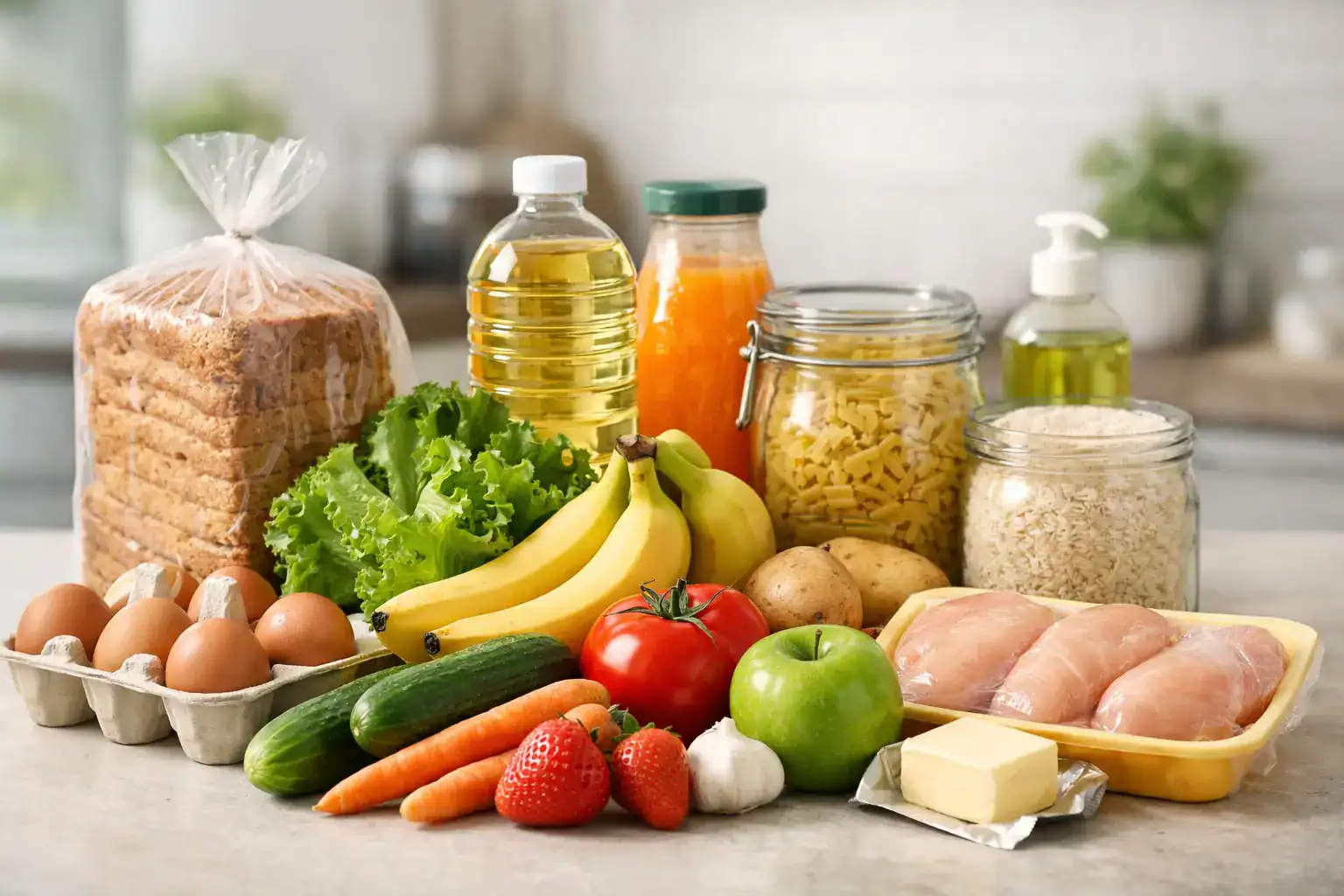
In practical terms, that usually includes pantry staples like flour, rice, oil, sugar, spices, and tea or coffee. It also means refrigerated or frozen basics, snacks for quick use, beverages, and common breakfast items. Beyond food, essentials also cover dishwashing liquid, laundry detergent, surface cleaners, garbage bags, tissues, soap, shampoo, toothpaste, and toilet paper.
For many homes, the essentials list goes further. Parents may need formula, diapers, wipes, baby lotion, and rash cream on regular rotation. Some households keep pharmacy basics like pain relief, antiseptic, bandages, and thermometers close at hand. Others need pet food, litter, or grooming items just as consistently as milk and bread. The exact mix depends on the household, but the principle stays the same – these are the products that prevent disruption.
Why household essentials should be planned, not guessed
Buying essentials only when something runs out sounds simple, but it usually creates small, avoidable problems. One missing item can affect a full routine. No dishwashing liquid becomes a kitchen problem. No detergent delays laundry. No tissues or soap becomes an inconvenience fast, especially in homes with children or frequent guests.
Planned shopping helps reduce that friction. It also saves money in a more practical way than chasing random discounts. When shoppers know what they use every week or every month, they can restock in sensible quantities, avoid duplicate purchases, and spot genuine offers on items they would buy anyway.
There is a balance, though. Overbuying every promoted product is not efficient either. Storage space matters. Product shelf life matters. A smart essentials order is not the biggest order possible. It is the order that matches how your home actually consumes products.
The core categories every home checks first
Kitchen and pantry basics
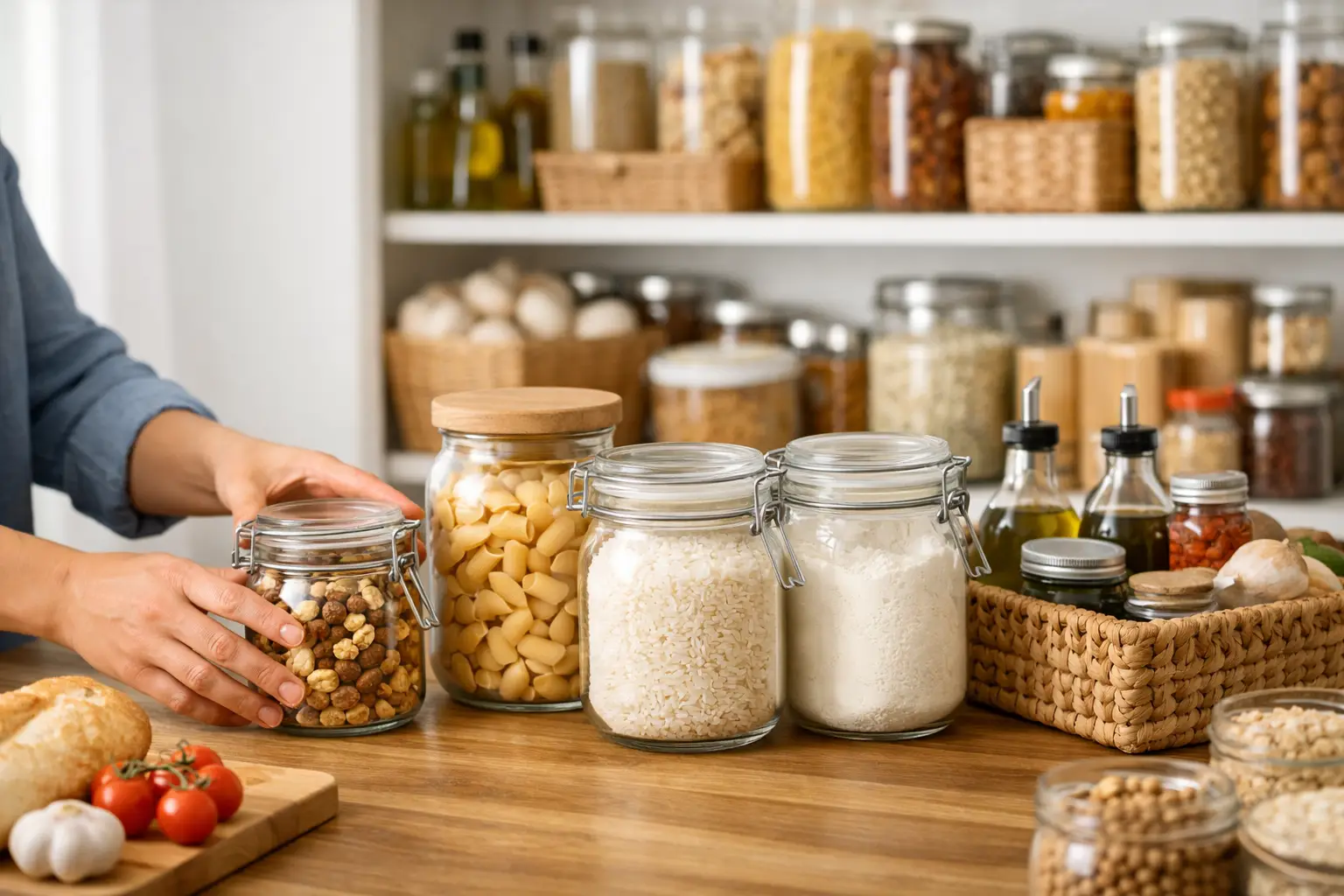
This is where most repeat orders begin. Rice, flour, lentils, cooking oil, salt, sugar, spices, tea, coffee, noodles, sauces, and canned or packaged staples form the base of everyday meal prep. Then come fill-in items like biscuits, spreads, breakfast cereals, bread, eggs, and beverages.
The right pantry basket depends on cooking habits. A household that cooks daily may need large refill packs and staple ingredients. A smaller household may be better off with medium packs to avoid waste. The useful question is not what looks like a bargain on the shelf. It is what will actually be finished before the next reorder.
Cleaning and home care
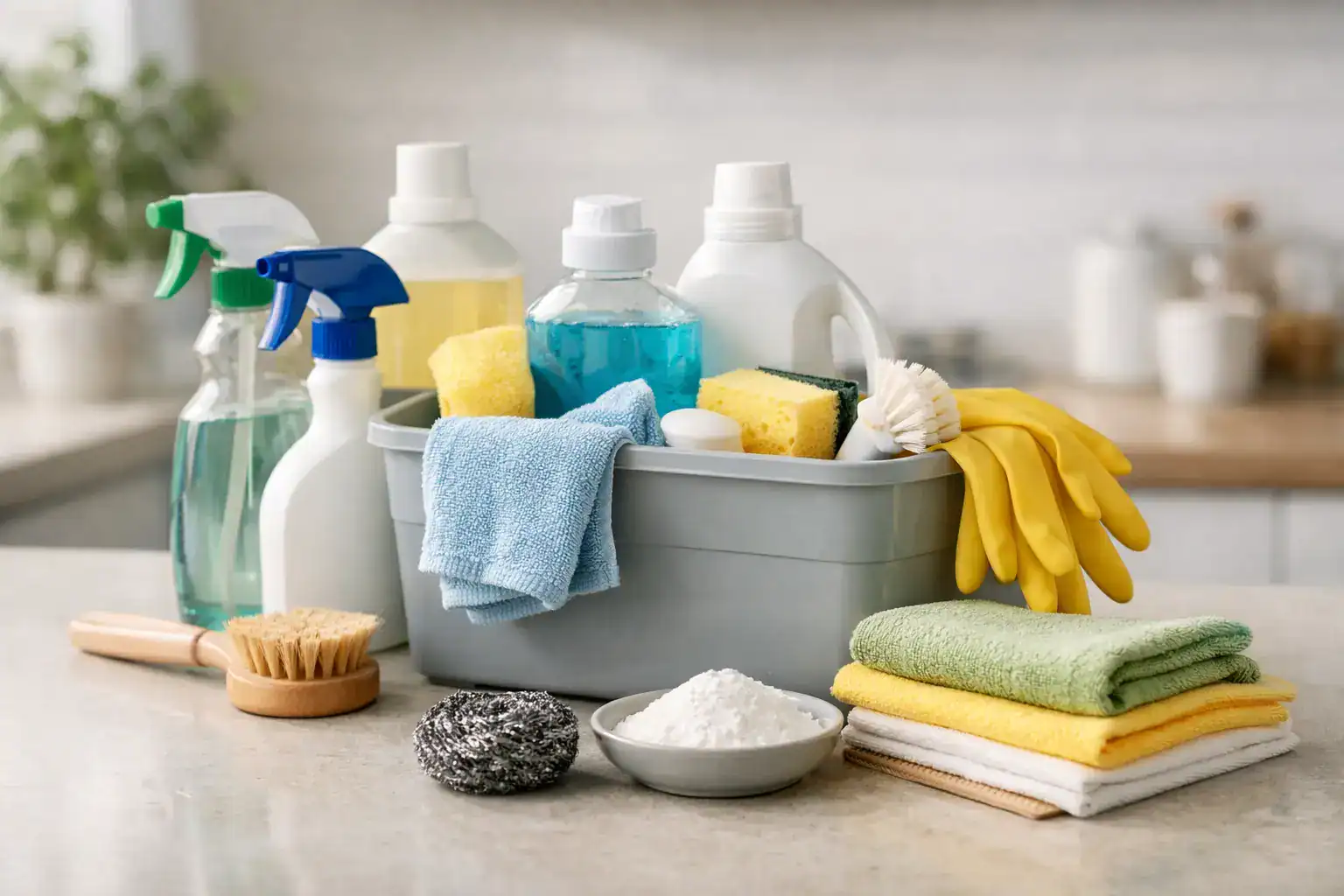
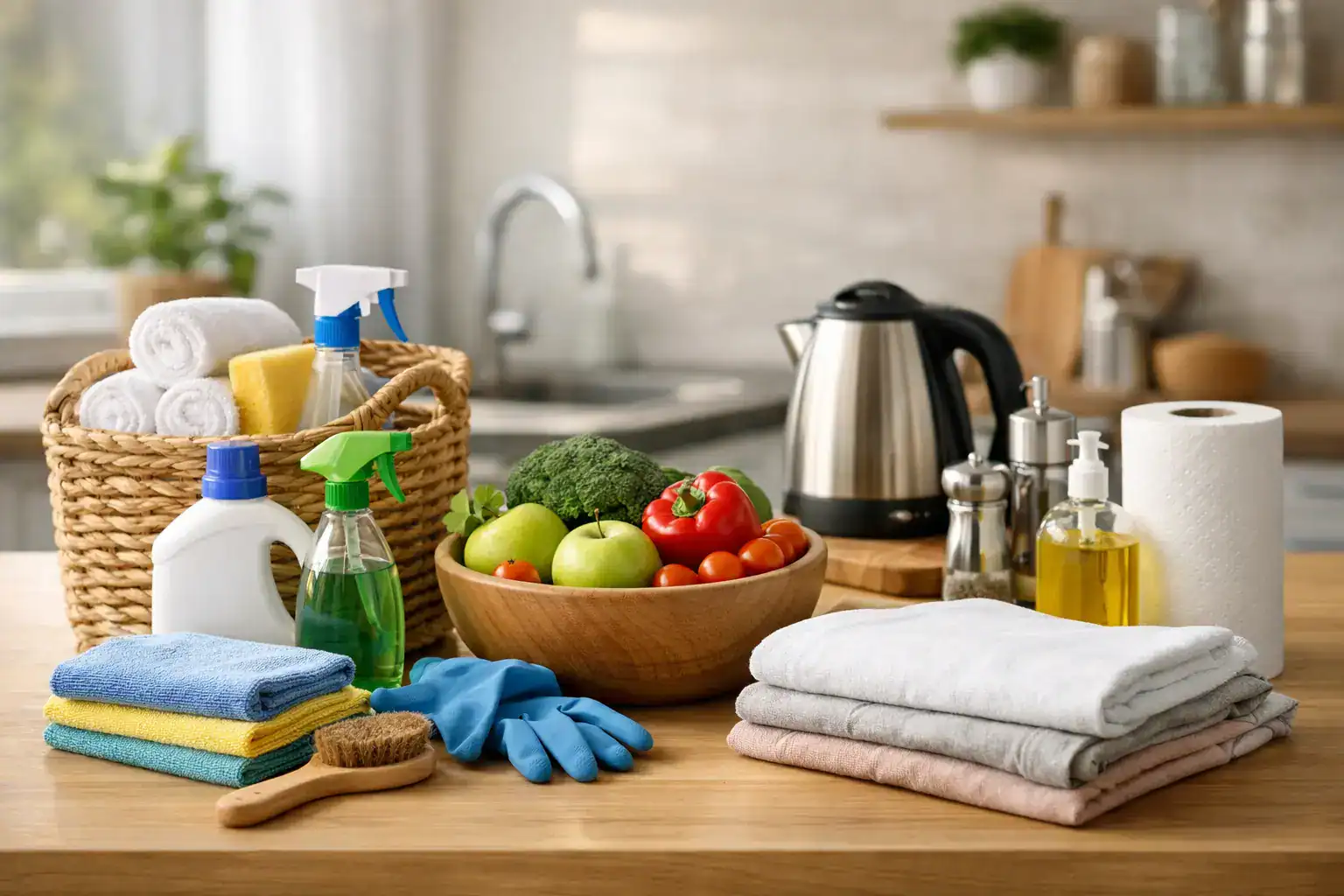
Home care products are easy to postpone until they become urgent. That is why they belong on an essentials list. Dishwashing liquid, laundry detergent, bleach, floor cleaner, toilet cleaner, sponges, disinfectant, paper towels, and trash bags are all high-use products in most homes.
The trade-off here is between convenience and specialization. Some shoppers prefer one multipurpose cleaner for speed and simplicity. Others want separate products for kitchen grease, bathroom surfaces, floors, and laundry care. Neither approach is wrong. It depends on budget, storage space, and how much time a household wants to spend managing cleaning supplies.
Personal care and hygiene
Soap, shampoo, toothpaste, toothbrushes, deodorant, sanitary care products, shaving items, tissues, and toilet paper all fall into this group. These are repeat-use items, which means they should not be left to memory.
This category is also where family needs vary the most. A single adult may keep a short list. A larger household may need different toothpaste for kids, separate hair care products, skin care basics, and extra tissue or paper goods for high daily use. If several people are shopping from the same home, a shared restock list helps avoid missed items and overlap.
Household essentials for families with children
Children change the shopping basket quickly. Baby diapers, wipes, formula, baby food, lotion, powder, baby wash, and medicine cabinet basics often move from occasional purchases to fixed monthly needs. The biggest challenge is not choosing from too many options. It is keeping enough stock without getting caught short.
Size changes, usage changes, and routine changes can affect what is worth stocking in bulk. Diapers are a good example. Buying too little creates stress. Buying too much in the wrong size creates waste. The same applies to snacks, drinks, and school-related items in homes with older children. Consumption can rise suddenly, especially during school weeks, weekends, or family gatherings.
Do not forget pharmacy and first-aid basics
Not every health item needs to be bought in large quantities, but some should always be within reach. Pain relievers, fever medicine, antiseptic, bandages, cotton, masks, and a thermometer cover many common household needs. These are not daily-use items for every family, but they are still part of a practical essentials setup.
This category is best managed with occasional checks instead of emergency purchases. Expiry dates matter. Product compatibility matters. If someone in the home has regular health needs, that should be part of the refill routine just like groceries or toiletries.
How to shop household essentials more efficiently
The easiest way to manage repeat purchases is to think in cycles. Some products are weekly, like milk, bread, eggs, fruit, and snacks. Others are biweekly or monthly, like detergent, tissues, soap, or diapers. When shoppers separate products by usage speed, reordering becomes easier and more accurate.
It also helps to build around anchor items. These are the products your household never wants to run out of – cooking oil, tea, detergent, toilet paper, diapers, or pet food. Once those are covered, add the fill-in products that support the week ahead.
Online shopping makes this process simpler when the store covers multiple categories in one place. Instead of splitting purchases across separate grocery, pharmacy, and home care stops, shoppers can combine kitchen staples, personal care, baby products, cleaning items, snacks, and household supplies in one basket. For convenience-focused households, that is usually the real advantage.
Ajwa Super Mart fits that practical need well by bringing daily-use products, home care items, pharmacy basics, snacks, and family essentials into one shopping flow designed for repeat replenishment.
When buying more makes sense – and when it does not
Bulk buying works well for nonperishables and fast-moving items. Detergent, tissues, toilet paper, soap, trash bags, and wipes are usually safe bets if storage is available. Pantry staples can also be worth buying in larger quantities when a household uses them steadily.
But not every essential should be bought the same way. Fresh goods, products with shorter shelf lives, or items that vary by preference should be purchased with more caution. A promotional price only helps if the item gets used. If not, the lower price can still become wasted money.
A good rule is simple: stock up on certainty, not just on discounts. If your home reliably uses it, larger quantities may save time and reduce repeat orders. If usage is inconsistent, smaller packs are often the better buy.
A well-managed home does not depend on a perfect shopping list. It depends on having the basics covered before they turn into problems. When your household essentials are stocked with a little planning and a clear sense of what your home actually uses, everyday shopping becomes faster, simpler, and easier to repeat.