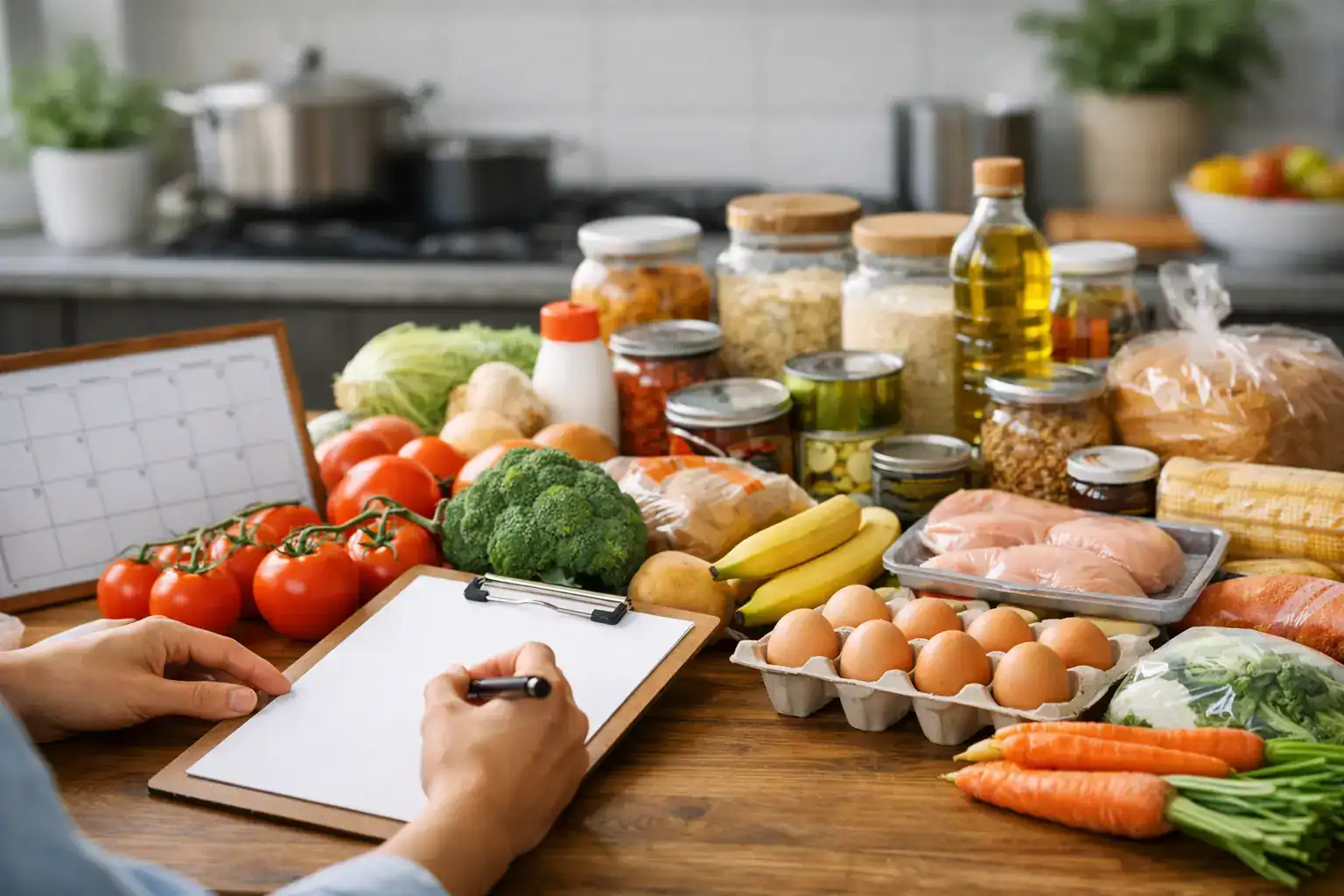
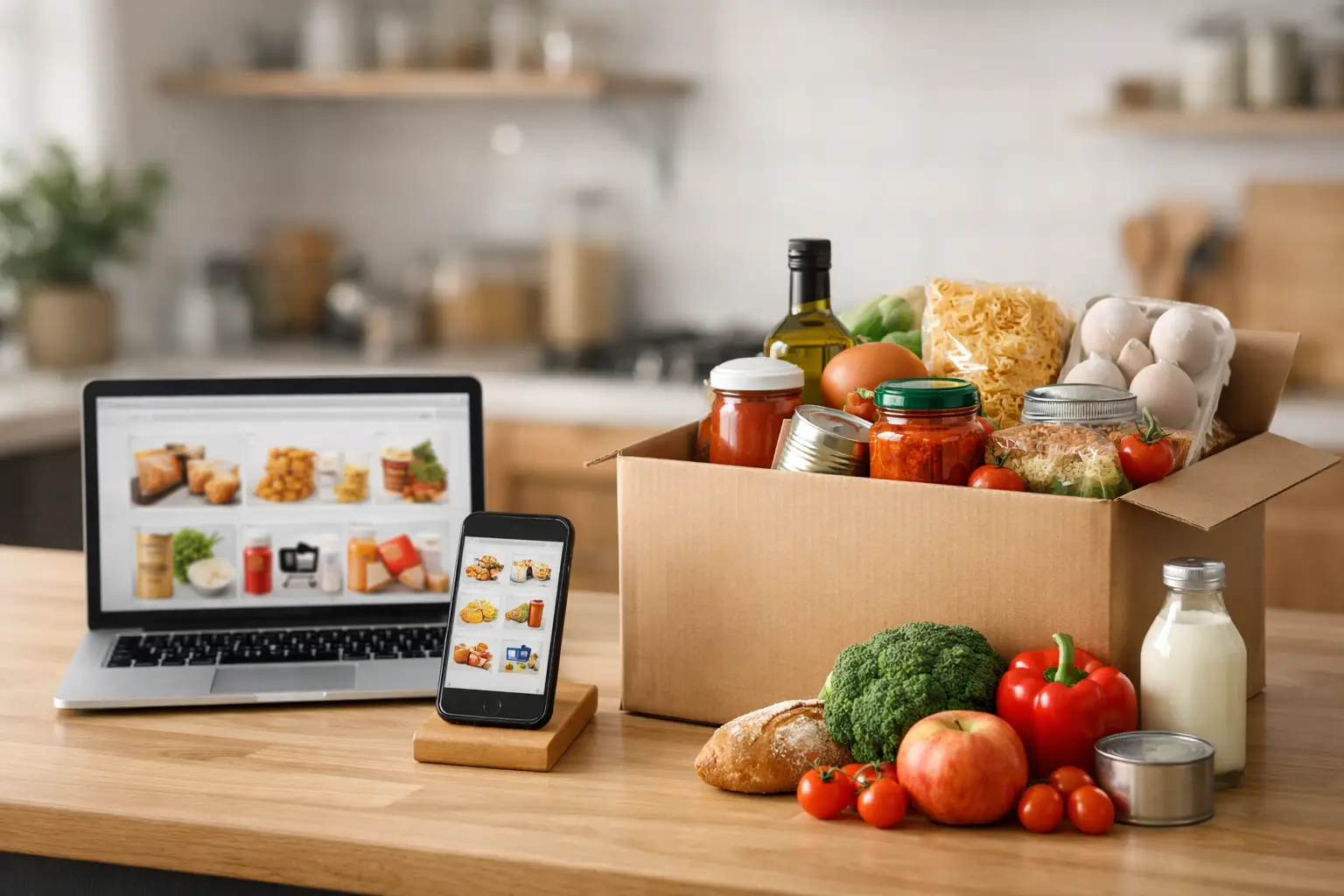
Running out of cooking oil when dinner is already on the stove is exactly why a good guide to online pantry restocking matters. Pantry shopping is not just about filling gaps. It is about keeping daily-use products for every home available when you need them, without turning one missing item into three extra store trips.
Online restocking works best when it becomes a routine instead of a rushed fix. If you shop only after something is fully finished, you usually pay less attention, miss connected items, and end up placing small repeat orders. A better approach is to build a simple system that helps you restock staples, household basics, and family essentials in one go.
Why a guide to online pantry restocking helps
Most households do not run out of one product at a time. Rice gets low, dish soap is nearly done, tea bags are down to the last few, and the kids’ snacks disappear faster than expected. When these needs are handled separately, shopping becomes inefficient.
A practical online pantry routine helps you consolidate purchases. That means fewer forgotten items, better control over your budget, and less time spent checking different stores or making emergency runs. It also gives you a clearer view of what your household actually uses every week, every two weeks, and every month.
The main benefit is convenience, but convenience works best when paired with a little planning. Buying everything too early can tie up your budget and storage space. Waiting too long creates pressure and leads to poor substitutions. The sweet spot is regular review and timely reordering.
Start with how your household actually uses products
The easiest mistake in pantry restocking is shopping by memory. Most people remember the obvious items and forget the quiet essentials that support daily routines, like foil, tissues, hand wash, toothpaste, or baby wipes.
Start by thinking in usage patterns instead of product names. Your home likely has three kinds of items. First, there are fast movers such as milk, bread, eggs, snacks, and beverages. Then there are core pantry staples like flour, sugar, lentils, pasta, rice, cooking oil, spices, and canned goods. Finally, there are supporting household basics such as cleaning liquids, laundry supplies, paper goods, and personal care products.
When you group products this way, restocking becomes easier because you are shopping based on real consumption. A family with young children may go through cereal, juice, baby care, and tissue products quickly. A single working adult may need fewer fresh items but more ready-to-eat foods, frozen products, coffee, and personal care refills. It depends on your routine, your storage space, and how often you prefer to order.
Build a restocking rhythm instead of one big monthly reset
Many shoppers try to do one large monthly order and then spend the rest of the month patching gaps. That can work for some households, but it often creates two problems. Fresh items may not last, and high-use basics may run out earlier than expected.
A better system is often a two-layer routine. Use one larger pantry and household order for staples and home essentials, then place smaller fill-in orders for short-life items or weekly needs. This gives you more control without making shopping feel constant.
For example, products like rice, flour, cleaning supplies, toiletries, and canned goods are usually better for planned basket-based ordering. Items like bread, produce, dairy, and certain snacks may need more frequent top-ups. Splitting your shopping this way can reduce waste while still keeping the pantry ready.
How to make your online pantry list more accurate
A strong list saves more time than any promotion does. The goal is not just to remember what is missing. The goal is to create a repeatable list you can review quickly before checkout.
Walk through your kitchen, bathroom, and laundry area in the same order each time. Check shelves, cabinets, fridge basics, and utility supplies. Add items that are low, not just empty. If you wait until a product is fully gone, your next order becomes urgent.
It also helps to note pack size before adding to cart. If your household uses one large bag of rice in a month, ordering two because of a discount may make sense only if you have storage space and room in the budget. The same logic applies to snacks, cleaning supplies, and paper products. Bulk buying can be smart, but only when it matches real usage.
Shop categories, not just single items
One of the biggest advantages of online supermarkets is category breadth. When you are already restocking pantry goods, it makes sense to check related household needs in the same session. That is where one-stop shopping becomes more useful than simple convenience.
If you are buying tea, sugar, and biscuits, it is a good time to check breakfast products, spreads, and beverages. If you are adding dishwash and laundry detergent, check hand wash, surface cleaners, trash bags, and tissues. If your household includes children, a pantry order is also a practical moment to review baby care, school snacks, or over-the-counter basics.
This does not mean adding random extras. It means using the order to cover recurring needs across the home so you place fewer fragmented orders later.
Watch value, not just price
A lower price tag does not always mean a better buy. In pantry restocking, value usually comes from the right balance of pack size, usage rate, and offer timing.
Sometimes a sale on a multipack is useful because it covers a product you know you will finish soon. Other times, a smaller pack is the smarter choice because it protects cash flow or prevents clutter. This matters most for products with short shelf life, limited storage room, or uncertain household demand.
Promotions can help you save, but they work best when attached to regular-use items. If you buy products only because they are discounted, your cart grows while your actual pantry gaps remain. A strong rule is simple: staple items first, deal items second.
The role of backups in a practical pantry
A well-stocked pantry does not need to look oversized. It just needs sensible backup levels for the items that disrupt your day when they run out.
Think about the products that create immediate inconvenience. Cooking oil, salt, tea, sugar, flour, soap, diapers, toothpaste, and toilet paper are common examples. These are not luxury stock-up items. They are everyday supports. Keeping one backup unit of your highest-use essentials can reduce stress and make your next order more flexible.
That said, backups should reflect your space and budget. A compact apartment kitchen needs a different system than a large family pantry. The right amount is the amount you can store neatly and use comfortably before expiration.
A simple guide to online pantry restocking for busy weeks
Some weeks are too busy for detailed planning. That is when a simplified restocking method helps. Start with the non-negotiables – core pantry staples, breakfast items, household cleaners, personal care basics, and any baby or pharmacy essentials your home depends on.
Then review convenience categories that reduce midweek friction. Frozen foods, ready snacks, instant beverages, and lunchbox items can be useful when schedules are tight. They may not replace fresh cooking, but they can help cover rushed mornings, late evenings, and school-day needs.
This is also where a broad online store becomes practical. If you can add groceries, personal care, home care, pharmacy basics, baby products, and a few fill-in extras in one basket, you save more than money. You save decision time.
Make reordering easier each time
The first pantry order usually takes the longest because you are building the system. After that, the process should get faster.
Pay attention to what you reorder repeatedly. Those are your core basket items. Keep them in mind each time you shop and review them before browsing anything else. Over time, you will notice patterns – maybe your household always needs cooking essentials, biscuits, detergent, tissues, and shampoo together. That pattern becomes your base order.
You should also notice what you overbuy. If certain snacks sit untouched, if large cleaning refills stay unopened too long, or if specialty ingredients are rarely used, scale those back. A good pantry is not the fullest one. It is the one that matches real life.
For Karachi households using a one-stop platform like Ajwa Super Mart, this approach works especially well because it supports frequent replenishment across grocery, home care, personal care, baby products, and other daily-use categories in a single order.
The best pantry routine is the one you can keep up with on an ordinary week. If your system helps you spot low items early, combine essentials in one basket, and avoid last-minute shopping, it is doing its job.