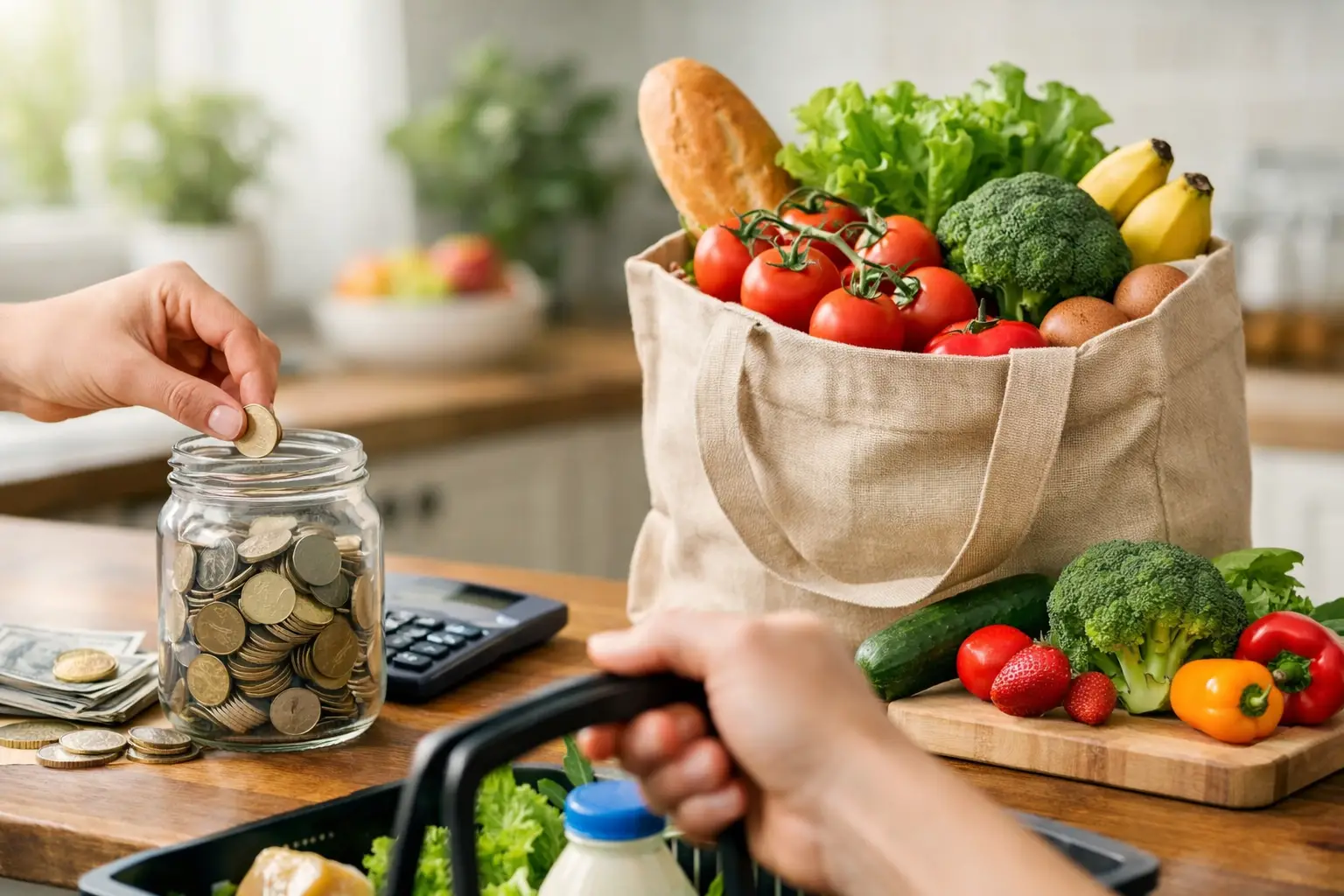
That extra bag of chips, the second bottle of detergent, the frozen item you forgot was already at home – this is usually where the grocery bill climbs. If you are trying to figure out how to save on groceries, the biggest wins often come from a few repeat habits, not extreme couponing or cutting out everything you enjoy.
For most households, grocery spending gets expensive for three simple reasons: shopping without a plan, buying duplicates, and making too many small trips during the week. The good news is that these are fixable. A better system helps you spend less without making your cart feel empty.
How to save on groceries starts before you shop
The cheapest cart is usually built before checkout. A five-minute plan can do more for your budget than chasing random discounts after you start browsing.
Start with what you already have. Check your pantry, fridge, freezer, and household basics before you add anything new. If rice, pasta, cooking oil, cleaning products, or baby essentials are already stocked, skip the backup purchase unless it is a true restock point or a strong sale you know you will use.
Then build your order around meals that overlap. If one pack of chicken can cover dinner, lunch wraps, and a quick pasta night, your total cost per meal drops. The same idea works for vegetables, yogurt, eggs, bread, and sauces. Buying ingredients with more than one use is one of the simplest ways to reduce waste and stretch each order.
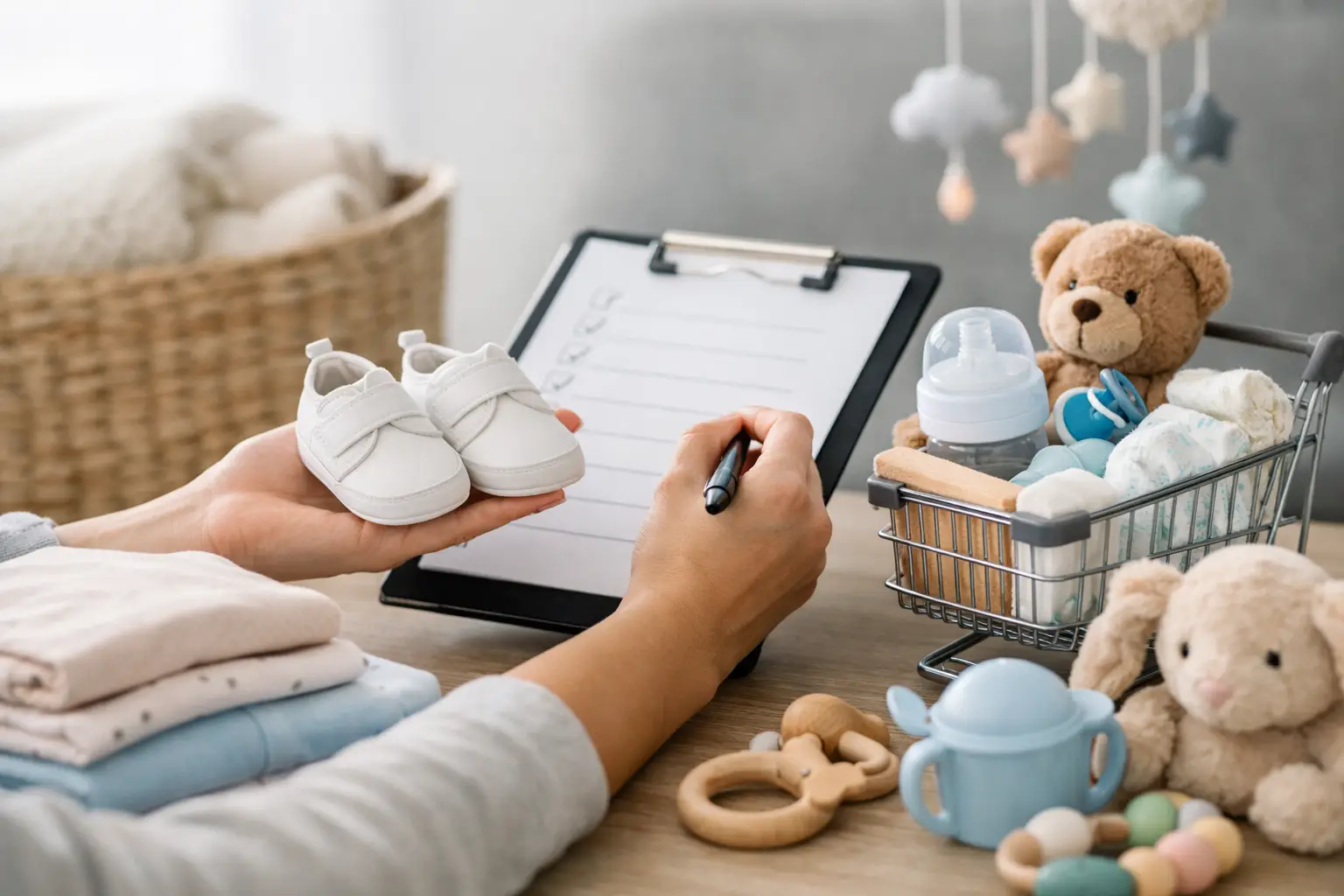
It also helps to separate needs from extras before you shop. Staples, milk, flour, lentils, snacks for school, soap, tissues, diapers, and medicine cabinet basics belong in one group. Specialty drinks, premium desserts, and impulse treats belong in another. That does not mean you cannot buy extras. It just means you should see them clearly before they slide into the total.
Build a grocery list that matches real life
A list only works if it fits the way your home actually shops and eats. If you make a perfect meal plan for seven nights but your family orders takeout twice, some of that produce may end up wasted. If you buy in bulk for savings but live in a small apartment, storage becomes part of the cost.
A practical list is better than an ambitious one. Focus first on the products your household buys every week or every month. Think breakfast items, lunchbox snacks, tea or coffee, cleaning refills, bath essentials, and the ingredients you use on repeat. Once those are covered, add a few flexible items that can fill gaps during the week.
This is also where online shopping can help. When you can see your cart total as you build it, you can adjust before you pay. That is much harder when you are walking aisle to aisle and tossing in extras. A digital cart also makes it easier to compare sizes, remove duplicate items, and pause before buying something that looked useful in the moment.
Use promotions the smart way
Sales help, but only when they match products you already buy. A discount on something unfamiliar is not always a savings. It becomes a savings only if it replaces a planned purchase or gives you better value on an item your household uses consistently.
The best promotions are usually on staples, refill products, and household basics with predictable demand. If your family regularly uses laundry detergent, tissues, cooking oil, cereal, or baby wipes, a good featured price can lower your average monthly cost. On the other hand, stocking up on trendy snacks or one-off products just because they are marked down can quietly raise your bill.
Quantity deals also need a quick reality check. Buying two or three units can be smart when the item stores well and gets used up on schedule. It is less useful for products that expire quickly, take too much shelf space, or tempt overuse because you bought more than planned.
A simple rule works here: buy deeper on essentials, lighter on experiments.
Watch unit value, not just pack price
One of the easiest ways to overspend is to look only at the sticker price. A smaller pack feels cheaper in the moment, but the cost per ounce, per sheet, or per use may be higher. This shows up often in packaged foods, detergents, diapers, personal care, and paper goods.
That said, bigger is not always better. If a large jar, family pack, or bulk bag goes stale before you finish it, the lower unit cost does not help. The right choice depends on your household size, storage space, and how fast you actually use the product.
For a family with steady weekly consumption, larger packs of staples often make sense. For a single shopper or a household that likes variety, medium sizes may be the better value because less gets wasted. Saving money is not just about buying more. It is about buying the amount you will really use.
Shop fewer times and combine categories
Frequent small trips are one of the fastest ways to lose control of the grocery budget. Every extra order increases the chance of impulse buying, delivery fees, duplicate purchases, or forgetting what you already bought earlier in the week.
That is why basket planning matters. When groceries, home care, personal care, baby items, and pharmacy basics can be ordered together, you reduce the need for emergency top-ups later. A one-stop order is not just convenient. It can also lower overall spend by cutting repeat checkout behavior.
For example, if you are already restocking food items, it makes sense to check whether toothpaste, dishwash, tissues, shampoo, or pet food are also running low. Many households treat these as separate errands, but they still hit the same monthly budget. Combining them into fewer, better-planned orders gives you a clearer view of what your home actually costs to run.
This is one area where a broad online store can be useful. A single cart that covers pantry, freezer, hygiene, and cleaning products makes it easier to spot what is necessary and what can wait.
Control the expensive parts of the cart
Most carts have a few categories that push totals up faster than expected. Convenience foods, branded snacks, drinks, single-serve items, and checkout-style treats are common examples. None of these are automatically bad purchases, but they deserve attention because they add up quickly without feeling substantial.
If your budget feels tight, do not start by cutting rice, milk, eggs, or soap. Look first at the high-cost extras. A few swaps here can create more savings than squeezing your core staples.
Sometimes the better move is not removing these items completely but setting a limit. Maybe your household picks two snack items instead of six, one dessert instead of several, or fewer bottled drinks in favor of larger at-home options. That approach tends to be easier to maintain than a full reset.
Brand flexibility helps too. In some categories, the premium version is worth it because quality is noticeably better or your family strongly prefers it. In others, the lower-priced option performs just fine. Paper goods, pantry basics, cleaning supplies, and certain personal care refills are often worth comparing with a practical mindset.
Make leftovers and restocks part of the plan
A grocery budget improves when food gets used on purpose. Cook once, reuse twice is a practical habit for busy homes. Extra cooked chicken can become sandwiches, rice can turn into fried rice, and vegetables can be folded into eggs, soup, or pasta the next day.
This does not need to be formal meal prep. It just means thinking one step ahead when you buy and cook. Products with multiple uses usually deliver better value than highly specific ingredients that only fit one recipe.
It also helps to keep a short restock list during the week instead of relying on memory. When something finishes, note it right away. That prevents both underbuying and panic buying. You are less likely to place a costly rush order when you can see what is actually needed.
How to save on groceries without feeling restricted
The goal is not to turn every shopping trip into a math exercise. It is to make regular purchases more efficient. Saving on groceries works best when the routine is easy enough to repeat.
Keep your core staples visible, shop with a real list, use promotions on products you already buy, and combine categories when possible. Be selective with snacks, drinks, and convenience items, because that is often where the budget stretches without much return.
If you shop online, use the cart as a filter, not just a checkout step. Pause, review, remove duplicates, and ask one simple question before placing the order: will this item get used soon, or does it just look appealing right now?
That small pause can save more than most people expect. Over time, the households that spend less are not usually buying less of what they need. They are buying with better timing, better visibility, and fewer avoidable extras. A steady routine beats a strict budget every time.