Running out of rice halfway through the month is annoying. Buying three extra sauces you never use is expensive. If you want to know how to plan monthly groceries in a way that actually works, the goal is simple: buy what your household will use, avoid emergency top-ups, and keep enough flexibility for real life.
Monthly grocery planning is less about making one perfect list and more about building a repeatable system. For most households, that system starts with four things: knowing what you already have, knowing what your family actually eats, setting a realistic budget, and separating monthly stock-up items from weekly fresh items. Once you do that, shopping gets faster and waste usually drops.
How to plan monthly groceries without overbuying
The biggest mistake in monthly shopping is treating every product the same. Dry goods, frozen foods, cleaning supplies, snacks, baby care, and personal care items are often good monthly purchases. Fresh produce, bread, milk, and some dairy items may need smaller follow-up orders. When people try to buy everything for 30 days in one shot, they often overspend on perishables and still end up reordering essentials.
A better approach is to build your monthly list in layers. Start with staples that last. Then add household items and personal care products that are easy to forecast. After that, estimate fresh food needs for the first week and leave room for a mid-month refill. This gives you the convenience of a large planned order without forcing unrealistic food storage.
Start with a home inventory
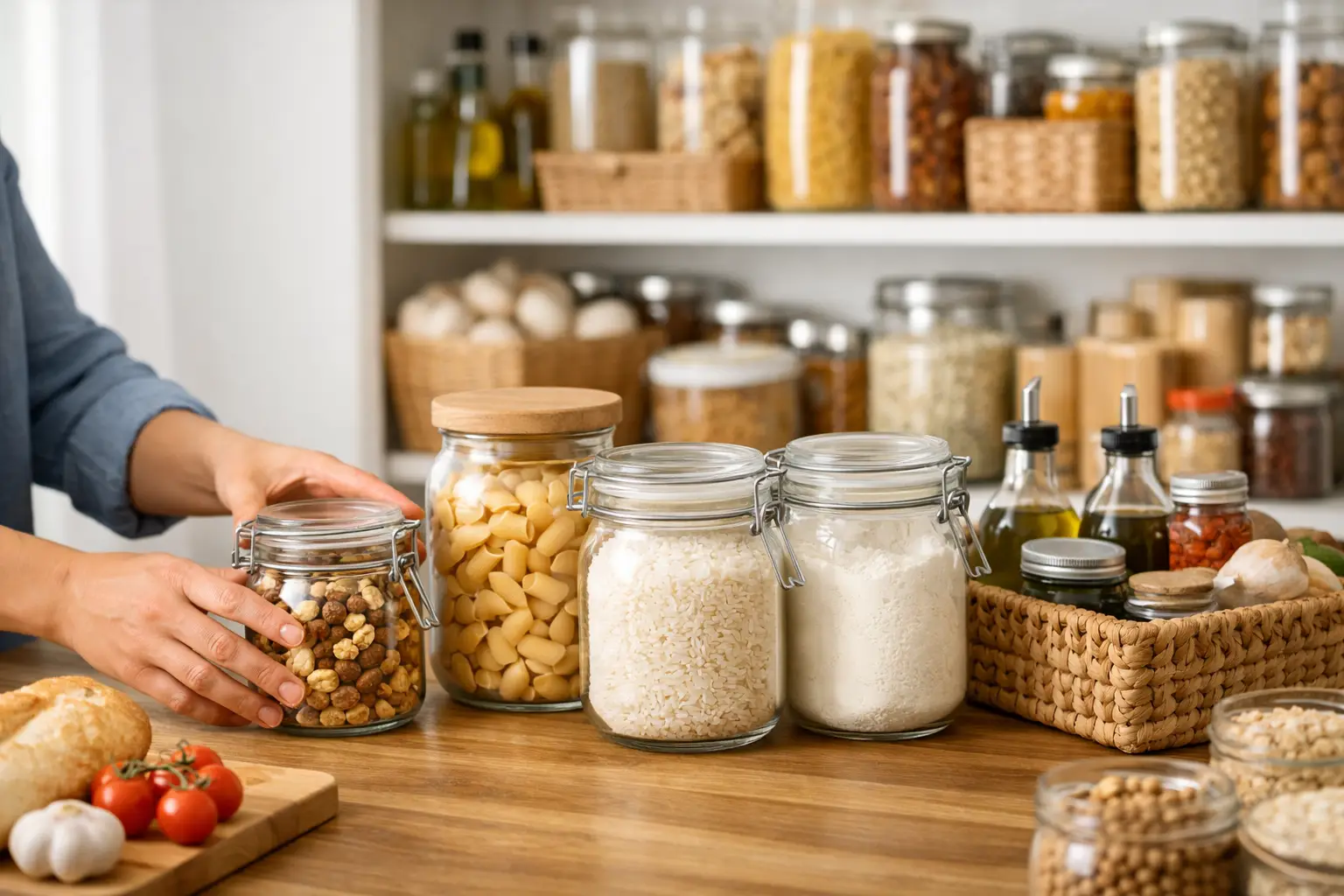
Before adding anything to cart, check your kitchen, fridge, freezer, and storage shelves. Look at spices, grains, flour, lentils, pasta, tea, coffee, oil, canned goods, frozen items, and snacks. Then check non-food essentials such as soap, detergent, tissues, diapers, toothpaste, and shampoo. A quick inventory prevents duplicate buying, which is one of the easiest ways to lose control of a grocery budget.
You do not need a complicated spreadsheet. A phone note works fine. Write down what you have, what is running low, and what is completely out. If several people in the home shop, keep this list shared or visible. That alone can cut repeat purchases.
It also helps to notice usage patterns. Maybe your household finishes eggs fast but barely touches breakfast cereal. Maybe frozen parathas move quickly on school mornings, while a large bag of chips sits untouched. Monthly planning works best when it reflects actual consumption, not good intentions.
Build your list around meals, not random items
A grocery cart fills up fast when you shop by category without a meal plan. You add snacks, condiments, drinks, and offers, but forget the ingredients that make actual dinners. Planning meals first gives your order structure.
Think in terms of your household’s regular routine. How many breakfasts happen at home? How many packed lunches do you need? How many dinners are cooked versus ordered in? If you cook five nights a week, identify the 10 to 12 meals you repeat most often and use those as your base. That might include pasta night, chicken and rice, lentil curry, sandwiches, frozen items for busy days, and a few breakfast staples.
Once your core meals are set, your grocery planning gets easier. You know how much oil, onion, garlic, flour, rice, pasta, bread, eggs, and protein you generally use. You also know which sauces, seasonings, and side items need restocking. This is a more reliable way to shop than adding products because they seem useful.
Use a simple monthly meal map
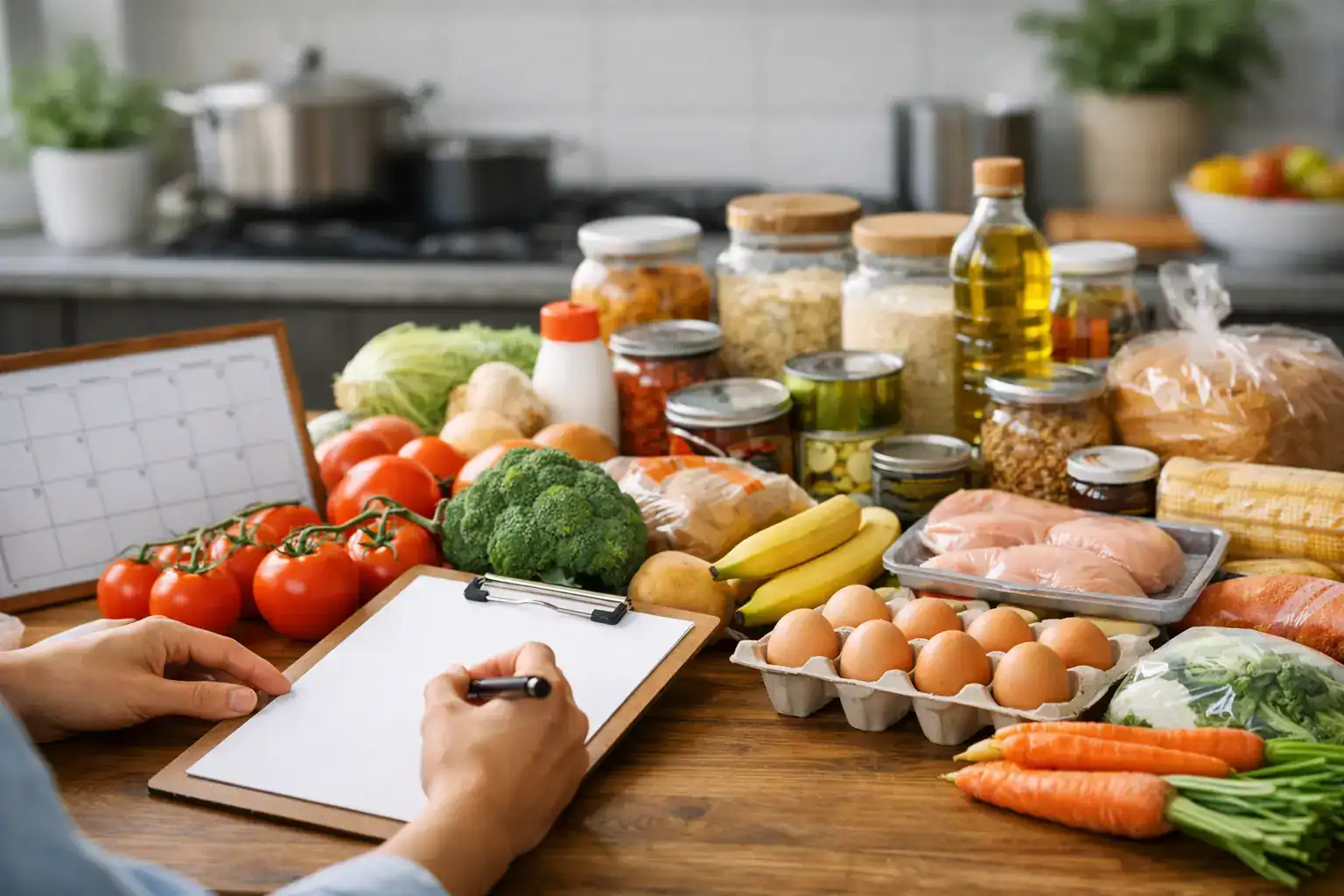
You do not need a full 30-day menu. A flexible meal map is usually enough. List your household’s go-to meals and assign how many times each one will show up in a month. Then convert those meals into quantities.
For example, if you plan to make pasta four times, you can estimate how much pasta, sauce, cheese, and vegetables you will need. If your family eats rice several times a week, buy based on your real monthly use, not on whatever pack size looks like a deal. Bigger is not always better if storage is tight or if the item loses freshness.
Set a realistic monthly budget
If your grocery total feels unpredictable every month, the issue is often that food, household supplies, and impulse extras are all blended together. Separate them mentally, even if they are bought in one order. Your budget should cover pantry staples, fresh food, household cleaning, bathroom basics, baby care, and pharmacy essentials if those are routine purchases.
Then create a small buffer for useful extras like snacks, beverages, or sale items. This matters because a strict budget with no room for convenience items usually breaks fast. Most households buy at least a few non-essential products each month, and pretending otherwise does not help.
If you are trying to reduce spending, start by reviewing your last few orders. Look for products bought out of habit rather than need. Individually, they seem small. Together, they can make a large difference. Premium snacks, duplicate condiments, single-use drinks, and overbought perishables are common examples.
Divide groceries into monthly, biweekly, and weekly needs
This is where monthly planning becomes practical instead of stressful. Not everything belongs in the same purchase cycle.
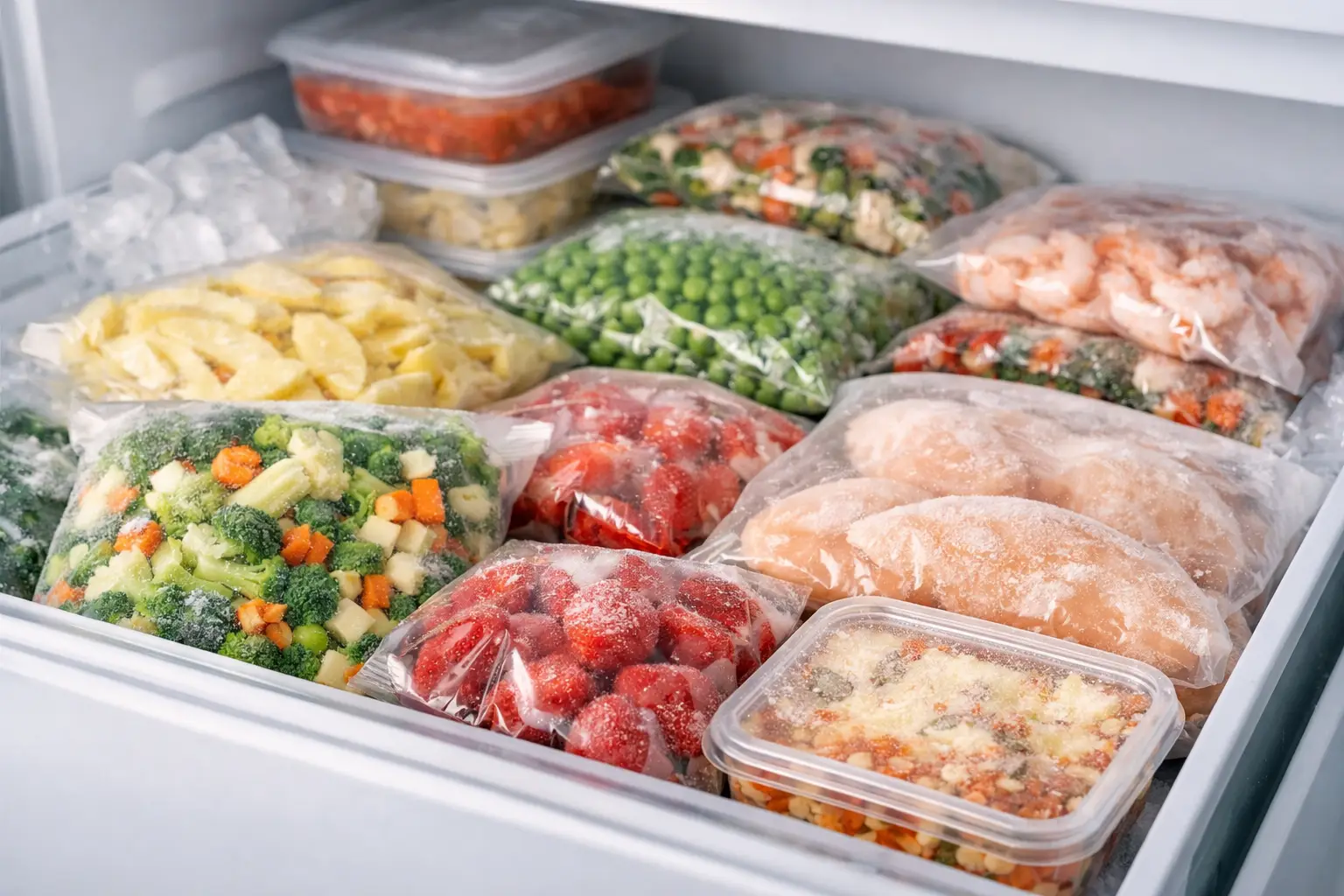
Monthly items usually include rice, flour, lentils, oil, sugar, salt, tea, coffee, canned foods, frozen foods, cleaning products, tissues, toiletries, diapers, and other household basics. These are easier to estimate because usage is relatively steady.
Biweekly or weekly items often include milk, yogurt, bread, eggs, fresh fruits, vegetables, and some meats. These depend more on appetite, weather, schedule changes, and how often you cook at home.
If you want the convenience of one major order, place a main stock-up order for long-lasting essentials and a smaller refill order later for perishables. That approach works especially well for busy households using a delivery-based store like Ajwa Super Mart, because it keeps the main order efficient while reducing waste from fresh items.
Shop by household zones
A good monthly grocery list should cover more than the pantry. Most homes need regular restocking across the kitchen, bathroom, laundry area, and family care categories. This is where many shoppers either forget essentials or place extra emergency orders later.
Think about your order in zones: cooking staples, breakfast items, lunchbox items, freezer backup meals, cleaning supplies, paper products, bath items, baby care, personal care, and health basics. When you review each zone once, you are less likely to miss toothpaste, dish soap, hand wash, trash bags, or over-the-counter basics that only become urgent when they run out.
This method is especially useful for families because grocery planning is rarely just about food. A single order often needs to cover the full household.
Watch promotions, but do the math
Sales can help, but only when they match your real needs. If an item is discounted and you already buy it regularly, stocking up makes sense. If the promotion pushes you to buy something your household rarely uses, it is not really a saving.
It also depends on shelf life, storage space, and cash flow. Buying six large packs at once may reduce the unit cost, but it ties up more of your budget today. For some households, spreading spending across the month is easier to manage. For others, one larger order creates more control. The better choice is the one that fits how your family shops and stores products.
Keep a refill list during the month
Monthly planning gets easier after the first cycle. The simplest habit is keeping a running refill list. As soon as something gets low, add it. Do not rely on memory at the end of the month.
This list shows your true repeat purchases. Over time, it helps you estimate quantities better and spot patterns. You may notice that certain snacks disappear too quickly, certain fresh foods are consistently wasted, or some household products last longer than expected. That gives you a more accurate plan next month.
Adjust for season, schedule, and household changes
No monthly grocery plan works the same way all year. School months, holidays, guests, fasting periods, work-from-home schedules, and weather can all change how much you use. Summer may increase drinks, frozen foods, and quick meals. Busy work periods may increase convenience purchases. A growing baby changes the entire household basket.
That is why the best grocery plan is not rigid. It should be organized enough to save time but flexible enough to match the month ahead.
Make your final cart review count
Before checking out, scan the cart once with three questions in mind: Did I cover the staples? Did I duplicate anything? Did I add too many extras? This quick review catches most preventable mistakes.
It also helps to compare the cart against your meals and your home inventory. If a product is not tied to either one, ask whether it belongs in this order. Sometimes the answer is yes, especially for convenience or a good promotion. But asking the question keeps the order intentional.
Learning how to plan monthly groceries is really about making everyday shopping easier, not more complicated. A solid routine saves time, reduces waste, and keeps your home stocked with the products you actually use. Start simple, pay attention to what runs out, and let each month make the next one easier.