
A price drop on cooking oil, detergent, or baby wipes matters most when it shows up right before you need to restock. That is why limited time supermarket offers catch attention so quickly. For most households, they are not just about saving a little on one item. They are a practical way to reduce the cost of repeat purchases, build a smarter monthly basket, and avoid paying full price on products that are bought again and again.
The real value of a short-term offer is timing. If a household already needs rice, flour, tea, soap, tissues, or shampoo, a temporary discount turns a routine order into a better one. The offer works best when it fits products people actually use, not random extras that look cheap but sit untouched at home.
Why limited time supermarket offers matter in real shopping
Most supermarket spending is not one big monthly purchase. It is a mix of planned restocking and smaller fill-in orders. Milk runs out. Dishwash runs low. Snacks disappear faster than expected. A fever medicine or baby care item suddenly becomes urgent. In that kind of routine, limited time supermarket offers help shoppers lower costs without changing how they live.
That matters even more for families buying across multiple categories in one order. Grocery savings are useful, but the bigger impact often comes from stacking practical purchases together. A discount on pantry items, plus a deal on home care, plus reduced pricing on personal care products can change the total basket cost in a noticeable way.
There is also a convenience angle. A good offer lets customers bring forward a purchase they would make anyway. Instead of remembering to buy tissues next week at a higher price, they add them now while they are already ordering snacks, frozen food, pharmacy basics, or cleaning supplies. That saves money and one more shopping trip.
The difference between a useful deal and a distracting one
Not every sale deserves space in the cart. Some promotions are strong because they apply to essentials with regular turnover. Others only look attractive because of the label.
A useful deal usually has three signs. First, it is on something your household already buys. Second, the discount is meaningful enough to beat the usual price by a clear margin. Third, the product fits your storage, budget, and near-term usage. If all three are true, the offer is doing real work.
A distracting deal usually misses one of those points. It may be a product no one at home prefers, a larger size that strains the budget for very little extra savings, or a quantity that expires before it gets used. The price can still be lower, but the purchase is weaker.
This is where many shoppers lose the benefit of promotions. Saving money on unnecessary items is not the same as cutting the total cost of household shopping. If the cart grows because of every bright discount label, the final bill goes up even when unit prices go down.
How to shop limited time supermarket offers without overspending
The smartest way to use offers is to start with your normal restocking pattern. Think in categories, not just products. Pantry staples, breakfast items, beverages, baby care, laundry, dish care, bath products, frozen foods, and over-the-counter pharmacy basics all tend to repeat. Once you know what moves regularly in your home, it becomes easier to spot when an offer is worth acting on.
A practical method is to build the order in two steps. Add your must-have items first. These are the products you would buy at full price if needed today. Then review promotions and only add discounted items that replace future spending, not impulse spending. That one shift keeps the cart grounded.
It also helps to think about timing. Some products are worth stocking up when discounted, while others are better bought closer to need. Dry goods, detergents, tissues, soaps, toothpaste, and many cleaning items usually store well. Fresh products, fragile snacks, and trend-driven items are more situational. The offer may still be good, but only if the household can use it in time.
Best categories to watch for short-term deals
Some categories consistently make better use of temporary promotions than others. Household essentials are usually at the top because they are predictable. If a family buys the same dishwash liquid, toilet cleaner, surface spray, or laundry product every few weeks, even a modest discount can add up over a month.
Personal care is another strong category. Shampoo, soap, razors, sanitary products, toothpaste, and skincare basics are not exciting purchases, but they are repeat purchases. A good sale here helps because these items are easy to forecast and usually easy to store.
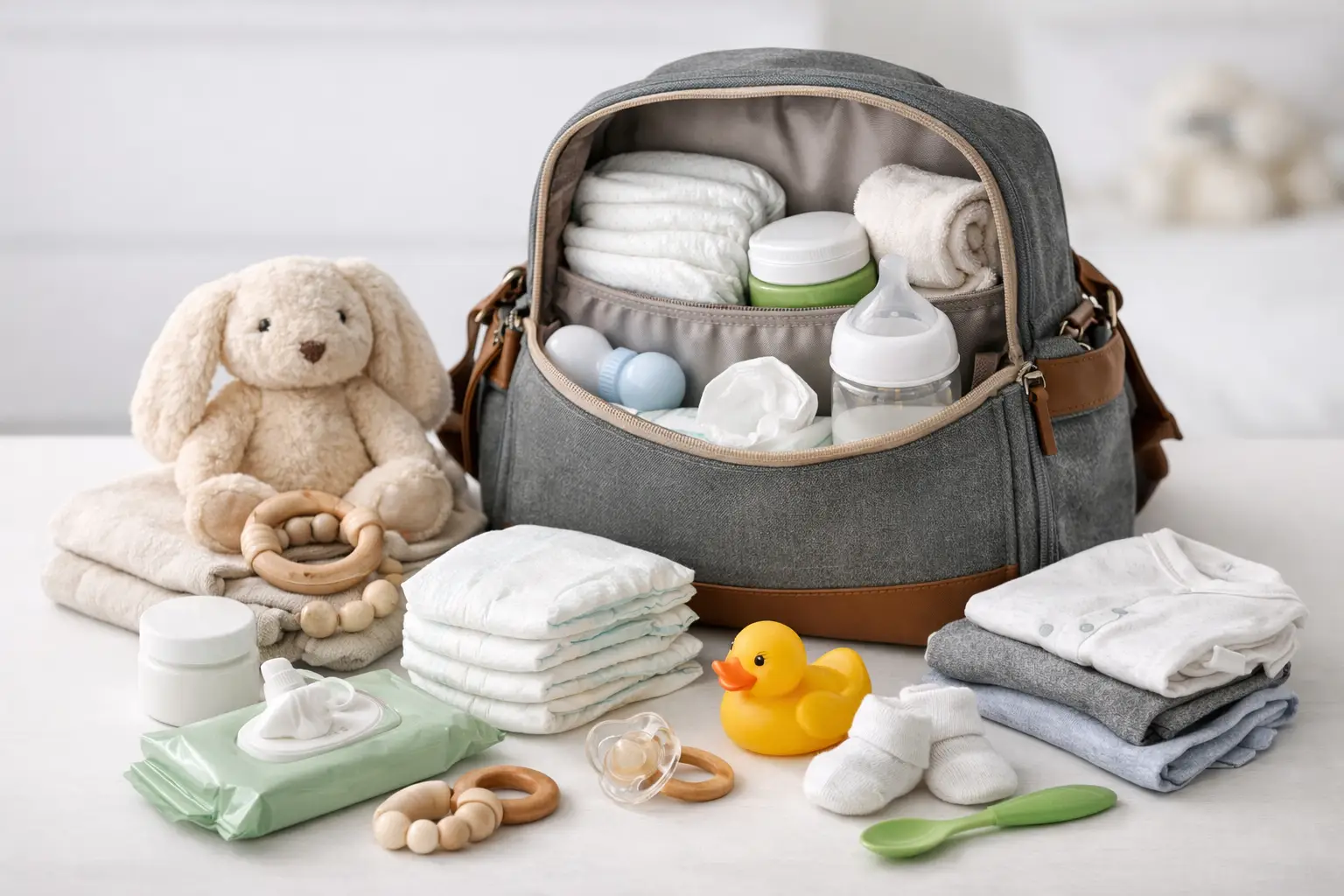
Baby care can be one of the most valuable areas for promotions because usage is frequent and costs build up quickly. Diapers, wipes, baby bath products, and feeding support items often create steady demand. When those items appear in limited-time offers, families can reduce pressure on the weekly budget without changing brands or routines.
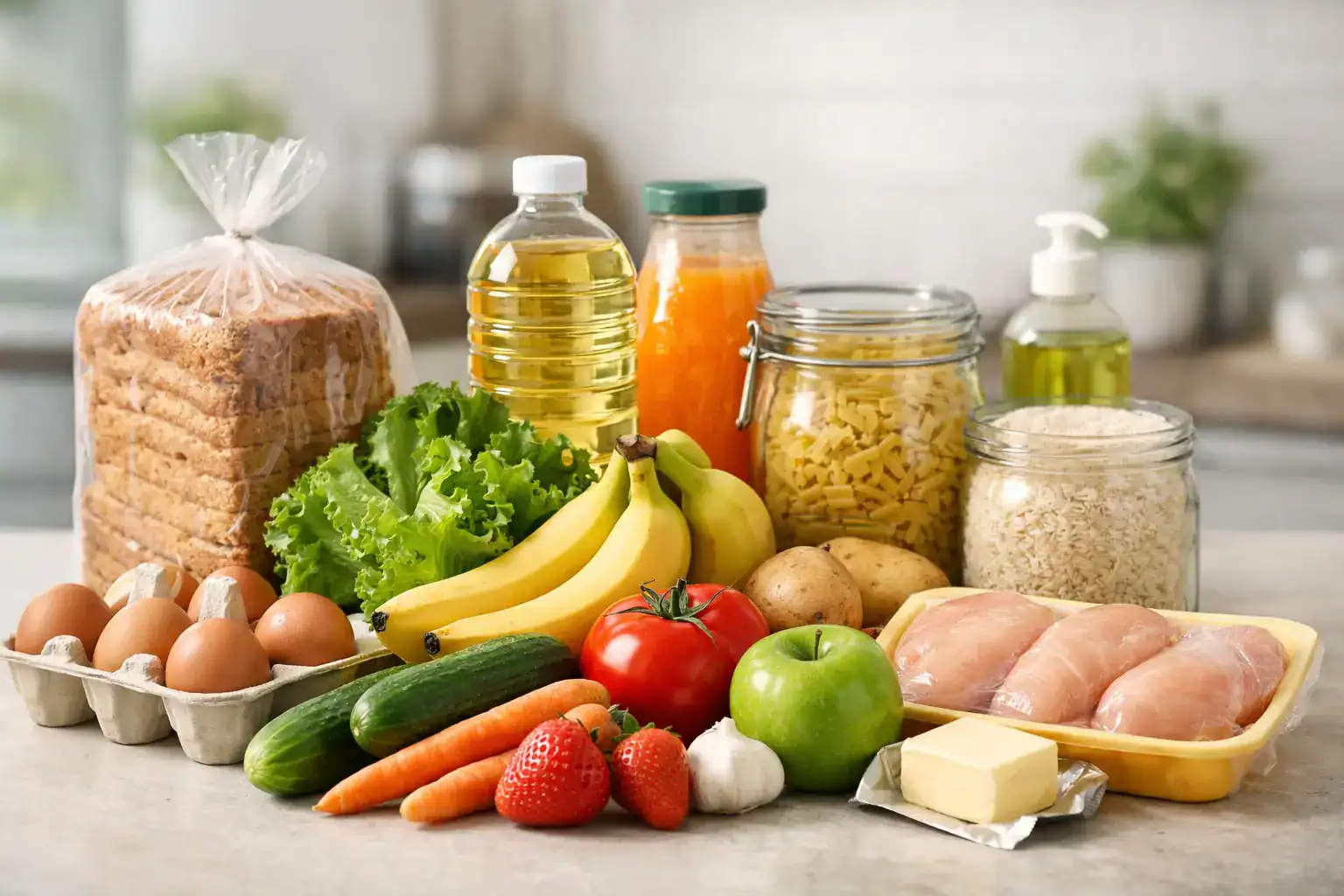
Pantry and snack items are more mixed. Staples like flour, rice, sugar, oil, and tea are often worth buying on promotion if storage allows. Snacks and beverages depend more on household habits. A deal may be good, but these categories also trigger the most impulse adds. The key is knowing whether you are restocking a regular item or just reacting to a discount.
Where shoppers get the most value online
Online supermarket shopping changes how offers are used. In a physical store, people often notice a deal while walking past it. Online, they can review categories, compare sale pricing, and build a basket with less rush. That makes promotions easier to use well, especially for busy households managing repeat orders.
The strongest online experience is not just about showing discounts. It is about making those offers easy to find within the products customers already need. When grocery, home care, baby products, pharmacy essentials, and daily household items are available in one place, shoppers can turn a single promotion into a more efficient full order.
That is one reason broad-category stores tend to be more useful for practical shoppers. A customer may come in for cereal and cooking supplies, then add detergent, tissues, handwash, and toothpaste in the same order because all of them are already due for restock. If some of those fall under temporary promotions, the savings feel more relevant than a discount on a one-off specialty item.
For customers in Karachi ordering daily-use products for every home, Ajwa Super Mart fits this kind of routine buying especially well because the range supports both planned essentials and fill-in purchases in one cart.
Common mistakes with limited time supermarket offers
One common mistake is buying too much of one item just because the price looks low. Stocking up makes sense, but only to the point where storage stays manageable and the product will actually be used. A six-month supply of one cleaner can be smart. A mountain of novelty snacks usually is not.
Another mistake is ignoring price context. A sale tag does not always mean the best value in the category. Sometimes a larger pack without a discount still works out better by unit price. Other times a store-brand or alternate size is the smarter buy. Good shopping is not just about whether something is on sale. It is about whether that sale beats the real alternatives.
There is also the issue of splitting orders. Some shoppers chase one deal here, another there, and end up paying through extra delivery fees, extra time, and duplicate purchases. If an online supermarket offers enough category coverage, combining needs into one order often beats chasing scattered discounts across multiple stores.
A better way to plan around offers
The easiest way to get consistent value from promotions is to keep a short restock view in mind. Not a complicated spreadsheet, just a mental list or simple note of what your home regularly runs through. Once that habit is in place, temporary offers become easier to judge. You stop seeing them as random chances and start using them as purchase timing.
This also reduces the stress of last-minute buying. If a family knows it will need cereal, pasta, laundry detergent, tissues, soap, and baby wipes within the next week or two, a temporary discount becomes actionable. The household is not guessing. It is moving a planned purchase forward while the price is better.
That is the real advantage of limited time supermarket offers. They work best when they support ordinary life – meals, cleaning, hygiene, baby care, small top-ups, and repeat needs. The more the offer matches what a household already buys, the more useful it becomes.
A smart cart is not built by chasing every deal. It is built by recognizing the ones that make everyday shopping simpler, cheaper, and easier to finish in one go.